In a modern medical landscape often dominated by standardized protocols and "one-size-fits-all" pharmaceuticals, a growing segment of the population is turning toward Ayurveda—an ancient system of medicine that posits a radical, yet intuitive, premise: no two human beings are identical, and therefore, no two health journeys should be the same.
At its core, Ayurveda is the science of individuality. While conventional medicine might categorize diabetes into two primary types, Ayurvedic practitioners recognize twenty distinct classifications, each requiring a tailored therapeutic approach. This philosophy extends to the treatment of everything from chronic inflammation to acute pain, which is categorized by the specific dosha—Vata, Pitta, or Kapha—that is currently out of balance.
The Philosophy of Personalization: Moving Beyond the "Band-Aid"
The cornerstone of Ayurvedic success lies in its pursuit of samprapti, or the pathogenesis of a disease. Unlike modern clinical approaches that often focus on symptom management—effectively applying a "band-aid" to a wound—an Ayurvedic practitioner acts as a detective. They seek to understand the root cause of an imbalance, the specific qualities (or gunas) currently dominating the patient’s constitution, and the trajectory of the disease process.
"The beauty of Ayurveda is its fully individualized approach to the path of healing," says experts in the field. By distinguishing between an individual’s prakruti (their inherent state of balance) and their vikruti (their current state of imbalance), practitioners can curate protocols that are as unique as the patients themselves. This is nowhere more evident than in the sophisticated detoxification process known as Panchakarma.
Chronology of a Healing Protocol: The Three Stages of Panchakarma
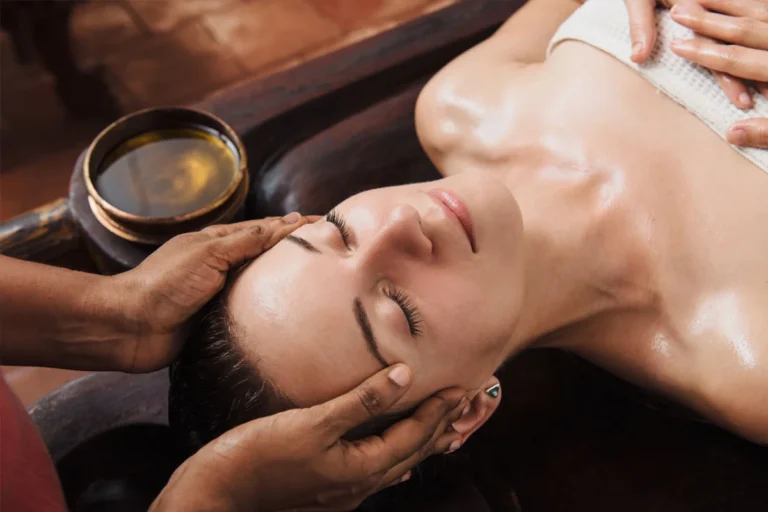
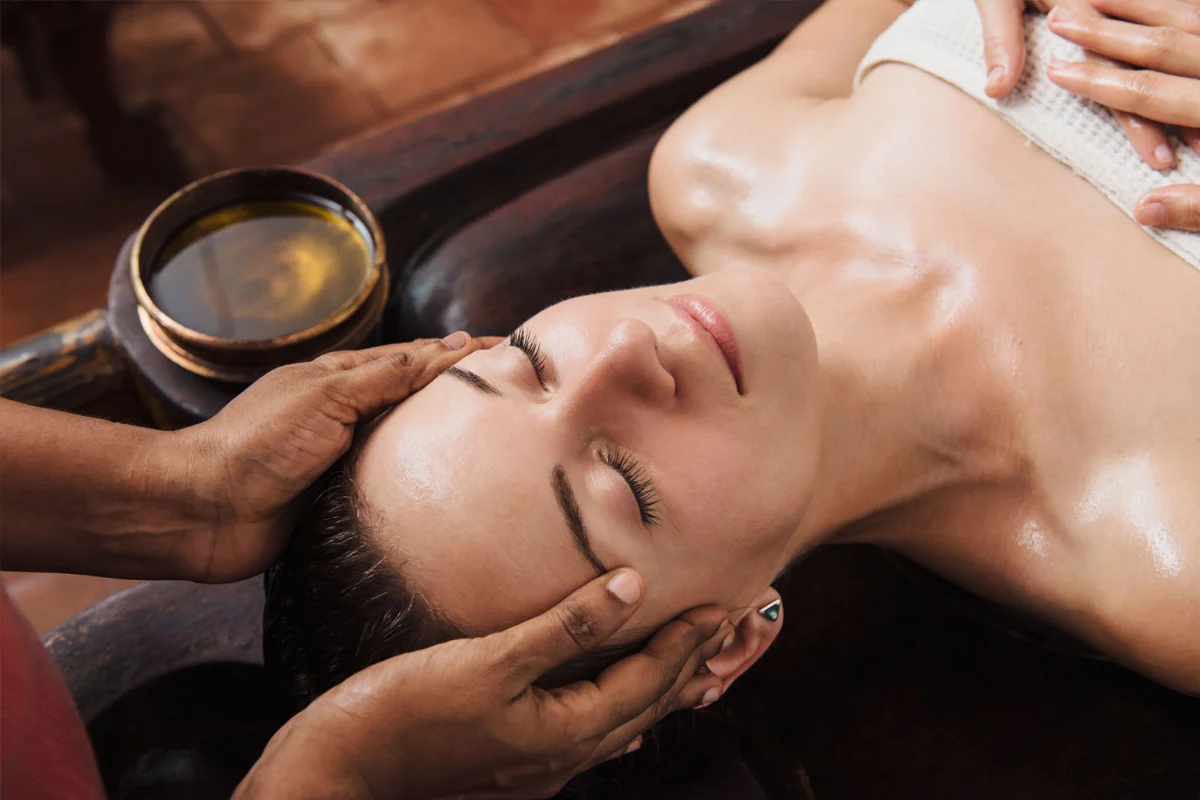
Panchakarma is not merely a generic detox; it is a highly specialized, multi-stage therapeutic intervention. It is designed to mobilize toxins from deep within the body’s tissues, ushering them into the digestive tract for safe and efficient elimination. The process is broken down into three distinct, chronologically significant phases.
Stage 1: Purvakarma (The Preparatory Phase)
Before the body can release deep-seated toxins, it must be prepared. This is the stage of Purvakarma. It focuses on two primary objectives: kindling the digestive fire (agni) and systemic oleation.
Kindling the agni is essential because a sluggish digestive system cannot process the toxins being released. Depending on the patient’s constitution, this might involve dietary adjustments, such as specific spices like ginger, or the intake of specialized herbal preparations. Simultaneously, internal oleation—the ingestion of medicated ghees or oils—is used to saturate the tissues. This process lubricates the internal pathways, essentially "loosening" toxins that have been lodged in the body’s deepest layers, making them easier to flush during the subsequent stages.
Stage 2: Pradhanakarma (The Five Actions)
Once the body is prepared, the patient enters Pradhanakarma, or the "Five Actions." These are the core therapeutic procedures of the Panchakarma protocol:
- Virechana: Targeting the seat of Pitta dosha (the liver, gallbladder, and small intestine), this purgative therapy uses specific laxatives to purge excess heat and toxins from the system.
- Basti: Recognized as the primary treatment for Vata imbalances, this involves the administration of herbalized enemas. These are not merely for evacuation; they deliver potent, nourishing herbal teas and oils directly to the colon, supporting the intestinal lining and systemic rejuvenation.
- Vamana: This is a specialized emetic therapy designed to pull excess Kapha (phlegm and mucus) from the stomach. Utilizing a blend of salt water and licorice, it is a powerful intervention reserved for specific, severe imbalances.
- Nasya: This involves the administration of medicated oils through the nasal passages. It is highly effective for clearing sinuses, improving cognitive clarity, and alleviating "brain fog."
- Raktamoksha: Traditionally involving blood-letting (often via leeches, though rarely practiced in modern U.S. clinical settings), this procedure aims to purify the blood, which Ayurveda considers the life-giving force (jivanam) of the body.
Stage 3: Paschyatkarma (The Rejuvenation Phase)
The final stage, Paschyatkarma, is perhaps the most critical for long-term health. Following a deep detoxification, the body is in a sensitive, "open" state. If the patient returns to their previous habits immediately, the imbalances are likely to recur. During this phase, practitioners design a bespoke post-detox lifestyle and diet plan, focusing on rebuilding tissue strength, optimizing digestive health, and establishing habits that foster long-term vitality.
Supporting Data: The Clinical Necessity of the Practitioner
The complexity of these procedures underscores why Ayurveda is not a "do-it-yourself" health modality. The scientific literature and historical tradition both confirm that without expert supervision, the detoxification process can be counterproductive.
For instance, if a practitioner miscalculates the strength of a patient’s agni or fails to account for the intensity of the Panchakarma procedures, a patient may experience severe fatigue or, worse, an exacerbation of their existing doshic imbalance. The practitioner acts as the essential "governor" of the system, adjusting dosages of medicated oils, the timing of the enemas, and the composition of the post-detox diet in real-time.
Implications for the Modern Wellness Industry
As Ayurveda gains mainstream popularity, the industry faces a critical juncture. The rise of "wellness tourism" has led to many centers offering standardized, one-size-fits-all Panchakarma retreats. However, the true efficacy of these treatments is inextricably linked to the practitioner’s ability to customize the protocol to the individual.
Choosing the Right Path
For those seeking to integrate Ayurvedic wisdom into their lives, the implications are clear:
- Vetting is Mandatory: Consumers must move beyond marketing. It is essential to look for centers and practitioners who prioritize the samprapti (root cause analysis) over generic spa experiences.
- Alignment of Values: A successful wellness outcome requires that the client’s health goals align with the practitioner’s therapeutic philosophy.
- Educational Standards: As the field matures, there is an increasing emphasis on formal training. Reputable educational programs, such as those provided by organizations like Ayurveda.com, are essential for ensuring that future practitioners have the depth of knowledge required to implement these complex procedures safely.
Conclusion: A Future Rooted in Ancient Wisdom
The modern world’s fixation on standardized medicine often ignores the nuances of the human experience. Ayurveda stands as a necessary counterbalance, reminding us that health is not a static destination but a dynamic, individualized process.
Whether one is dealing with chronic metabolic issues or simply seeking a profound reset through Panchakarma, the secret to success remains the same: it is found in the hands of an experienced practitioner who treats the person, not just the diagnosis. As the industry continues to evolve, the demand for this high-touch, personalized care will likely serve as the gold standard for holistic health in the 21st century.
For those interested in professional training or seeking a deep, immersive healing experience, resources such as SoHum Mountain Healing Resort represent the growing infrastructure of authentic, practitioner-led Ayurvedic care. By respecting the depth of these ancient traditions, we move closer to a model of health that is as profound as the beings it seeks to heal.