






By Kari McBride
The onset of a chronic pain flare-up is rarely a dramatic event. It often begins in the quiet periphery of a child’s day—a sharp intake of breath, a subtle shift in posture, or, as it happened recently, a frustrated "Hmmph" followed by tightly crossed arms. For parents of children living with chronic pain, these are the early warning sirens that precede the storm.
What followed for my daughter and me was a cascade of emotional distress. There were audible groans, dramatic eye rolls, and the eventual, inevitable breakdown as the accumulated fatigue of a long morning at summer camp collided with the physiological reality of her pain. When we retreated to the sanctuary of the health center, I was not merely managing a child’s tantrum; I was navigating the precarious intersection of her suffering and my own exhaustion as a parent living with chronic pain.
What transpired in that quiet room, however, transformed a moment of potential isolation into a profound lesson on the necessity of community. It serves as a microcosm for the broader experience of the Pediatric Pain Warrior Family Summer Camp—a sanctuary where the invisible burden of chronic illness is finally set down, if only for a week.
The Chronology of a Crisis: From Meltdown to Connection
The incident occurred during the height of the camp’s midday activities. After the initial signs of distress, I ushered my daughter toward the patio, hoping the change of scenery might stave off the flare. It was unsuccessful. The emotional storm broke, characterized by tears, kicks, and the visceral cries of a child whose body is in rebellion.
We relocated to the health center, a space designed for respite. In that moment of vulnerability, I sent a simple, pragmatic text to a friend within the camp community: "Can you bring us some water?"
I expected a bottle of water. I did not expect the influx of support that followed. The simple request acted as a catalyst for a chain reaction of empathy. The responses were instantaneous and profound:
- "What do you need?"
- "How can we help?"
- "I am here if you need me."
These were not platitudes. They were inquiries from individuals who speak the language of chronic pain. My internal monologue shifted from a state of survival to one of reflection. I needed my daughter’s breathing to slow; I needed the physical tension in the room to dissipate; and, perhaps most importantly, I needed to catch my own breath.
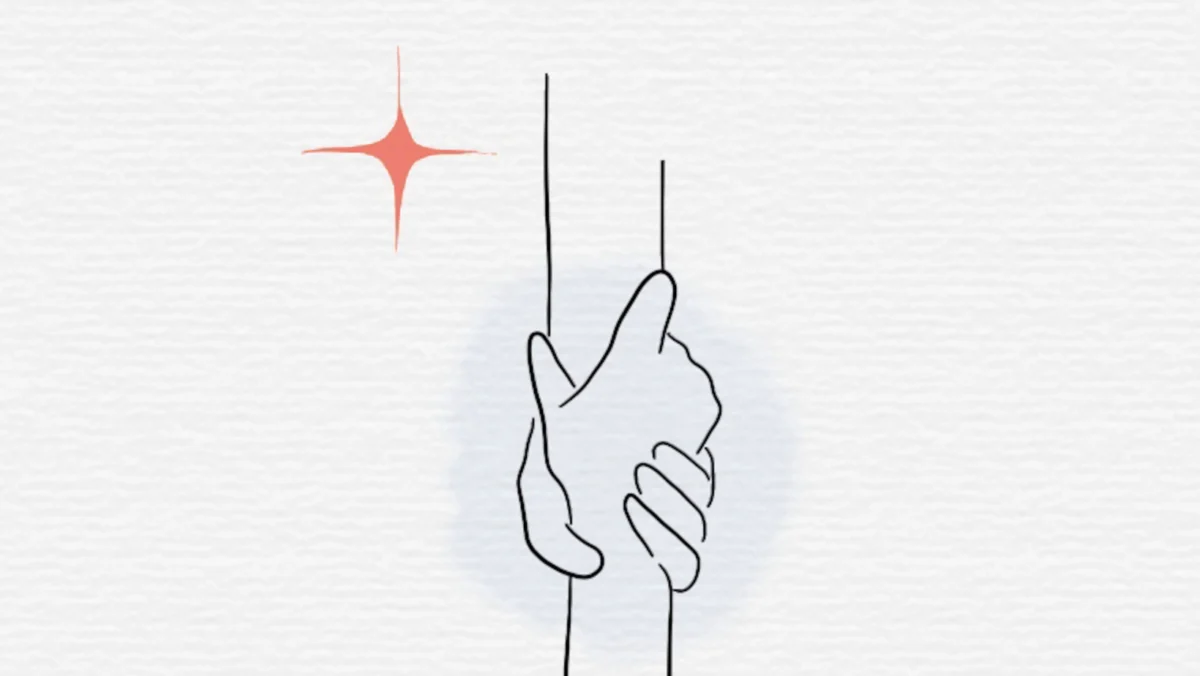
The resolution did not come through medical intervention or sophisticated strategy. It came when another mother—someone who had walked this path countless times—entered the room. She offered no unsolicited advice, asked for no diagnostic details, and required no explanation of the "why." She simply provided a hug and a single, validating sentence: "You are doing a great job, Mom."
The Silent Epidemic: Understanding Pediatric Chronic Pain
Chronic pain in children is a complex, often misunderstood medical reality. Unlike acute injuries, chronic pain is persistent, often lasting three months or longer. It impacts physical, emotional, and social development, creating a "ripple effect" that extends to the entire family unit.
According to data from the American Pain Society and pediatric research cohorts, approximately 20% to 30% of children and adolescents experience chronic pain. This includes conditions such as juvenile idiopathic arthritis, complex regional pain syndrome (CRPS), and chronic migraines. For these families, the "normal" markers of childhood—school, sports, social gatherings—are constantly negotiated against a backdrop of physiological instability.
The psychological toll on caregivers is equally significant. A study published in the Journal of Pediatric Psychology highlights that parents of children with chronic pain experience higher rates of caregiver burden, anxiety, and depression. This is compounded when the parent, like myself, also manages their own chronic health conditions. We become, by necessity, medical administrators, therapists, and advocates, often at the expense of our own emotional health.
The Village Effect: Why Specialized Camps Matter
The Pediatric Pain Warrior Family Summer Camp functions as a vital intervention in this landscape. It is one of the few environments where the power dynamic of "the sick child and the caregiver" is leveled.
The Power of Shared Lived Experience
At the camp, the standard social barrier of having to explain a child’s behavior or medical needs disappears. When a child has a meltdown, the surrounding parents do not offer judgmental glances; they offer nod of recognition. This "village" is built on the foundation of lived experience rather than sympathy. Sympathy implies a distance between the observer and the sufferer; empathy, particularly in this context, implies a shared horizon.
The "Expert" Paradox
As parents of children with chronic pain, we are forced to become experts. We know the titration schedules for medications, we are fluent in the language of medical billing, and we are trained in breathing techniques that can de-escalate a nervous system in panic. However, this expertise often masks a secondary crisis: the inability to ask for help. We are so conditioned to be the pillars of our family’s stability that we often fail to recognize when our own foundation is cracking.
Official Perspectives: The Clinical Need for Community Support
Medical professionals who specialize in pediatric pain management are increasingly recognizing that clinical treatment is only one component of care.
"The biological aspects of pain are only half the battle," says Dr. Elena Rossi, a pediatric pain specialist familiar with family-centered care models. "The psychological and social outcomes are significantly improved when families are integrated into supportive networks. When a parent feels seen—when they are validated by peers—the stress hormones that contribute to pain perception in both the child and the parent actually begin to stabilize."
The implications of this are significant. Programs like the Pediatric Pain Warrior camp are not merely recreational; they are therapeutic interventions that reduce the isolation that frequently exacerbates chronic pain conditions. By normalizing the experience, these environments reduce the "catastrophizing" of symptoms, allowing families to develop more resilient coping mechanisms.
Implications for the Future of Caregiving
The experience at the health center that day forced me to re-evaluate my definition of "help." I had requested water, a physical necessity, but I had received compassion and reassurance—the emotional necessities I had been starving for without realizing it.
The implications for the broader parenting community are clear:
- Redefining Support: We must move away from the expectation that parents of children with chronic illness are solitary "warriors." They are members of a community, and community requires the humility to accept help.
- The Necessity of Peer-to-Peer Networks: Institutions should prioritize the creation of support structures that connect parents with other parents who are at similar stages in their journey.
- Permission to Release: Parents need systemic validation that they are "doing a great job." The weight of chronic pain is heavy; it is not meant to be carried by one or two people in isolation.
As I look back on that afternoon, I am struck by the simplicity of the solution. I was not "cured," and my daughter’s pain did not vanish. But the weight of that pain felt significantly lighter. I was reminded that I am not alone. I am part of a vast, invisible network of parents who understand the fatigue, the meltdowns, and the complex, quiet beauty of loving a child through chronic pain.
In a world that often demands we be "strong," the most radical act we can perform is to admit we are struggling, to reach out, and to allow someone else to carry the load for a moment. At the Pediatric Pain Warrior camp, I learned that understanding doesn’t have to be earned—it is an inherent gift offered by those who know exactly what it means to live in the storm.
We are not just a collection of patients and caregivers. We are a community, and in that, we find our strength.