








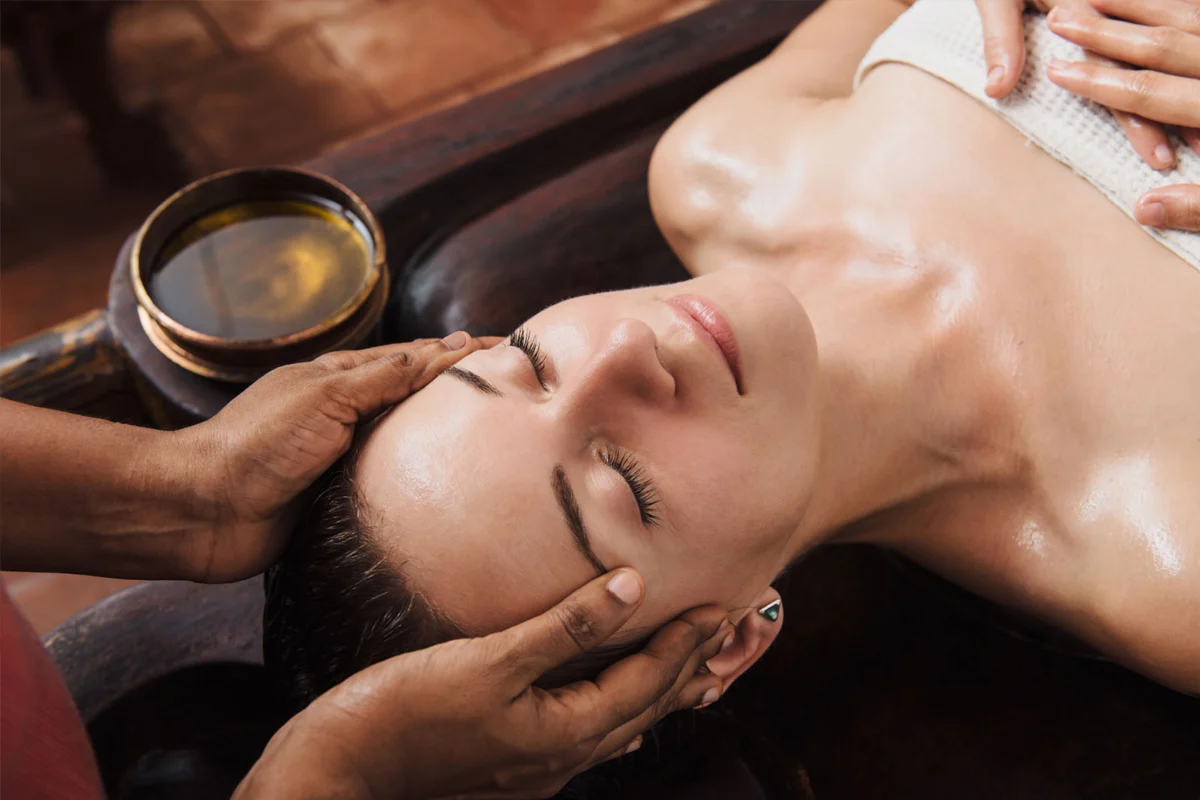
In an era of standardized medicine, where clinical protocols are often mass-produced and diagnostic labels are broad, Ayurveda offers a radical alternative: the recognition that no two human beings are identical. This ancient system of medicine, which originated in India thousands of years ago, operates on the fundamental premise that health is not merely the absence of disease, but a dynamic state of individual balance. As Western medical models increasingly struggle with chronic lifestyle diseases, the Ayurvedic emphasis on deep, personalized healing is moving from the fringes into the mainstream of integrative wellness.
Main Facts: The Philosophy of Bio-Individuality
At the heart of Ayurvedic practice is the rejection of the "one-size-fits-all" approach. Practitioners understand that symptoms—whether pain, digestive distress, or metabolic imbalance—are merely the surface expression of a deeper systemic disruption. In Ayurveda, a single condition, such as chronic pain, is not treated as a monolithic entity. Instead, it is classified based on the doshas—the elemental energies of Vata, Pitta, and Kapha. A "Vata-type" pain might manifest as sharp, migratory, or nervous-system-related, while a "Pitta-type" pain is often inflammatory or burning. Treating these with the same generic analgesic would be, in the Ayurvedic view, a superficial attempt to mask a signal rather than address the root cause.
The sophistication of this diagnostic framework is perhaps best exemplified by its approach to metabolic disorders. While modern allopathic medicine typically classifies diabetes into two primary types, Ayurvedic texts identify twenty distinct classifications, each requiring a tailored strategy to restore systemic harmony. This level of precision is the cornerstone of the Ayurvedic practitioner’s role: they are not just treating a disease; they are navigating the patient’s samprapti, or the unique process of how a specific imbalance developed within that specific individual’s body.
Chronology: The Three Stages of Panchakarma
When the body’s internal environment becomes significantly compromised, practitioners often recommend Panchakarma—the gold standard of Ayurvedic detoxification. Panchakarma is not a singular event; it is a highly structured, three-stage therapeutic journey that requires intense oversight to ensure safety and efficacy.
Stage 1: Purvakarma (The Preparation)
Before any detoxification can occur, the body must be prepared to release toxins, or ama. This phase, known as Purvakarma, is the critical foundation. It focuses on two goals: kindling the digestive fire (agni) and systemic lubrication.
Kindling the agni is highly personalized. One patient may require the stimulating effects of ginger and black salt to prime their metabolism, while another may simply need specific intervals of hot water consumption. Simultaneously, the patient undergoes internal oleation—the ingestion of medicated ghees or oils. This process is designed to mobilize toxins from deep, adipose-laden tissues and draw them into the digestive tract, where they can eventually be eliminated. Without this preparatory stage, attempting a deep detox would be like trying to clean a dry, caked pan without soaking it first; the effort would be ineffective and potentially stressful to the body.
Stage 2: Pradhānakarma (The Five Actions)
Once the system is saturated and prepared, the Pradhānakarma stage begins. Translating literally to "five actions," this is the core of the Panchakarma process, designed to flush out the mobilized toxins:
- Virechana: Targeting the seat of Pitta, this purgation therapy cleanses the liver, gallbladder, and small intestine using herbal laxatives.
- Basti: Considered the most powerful of the five, this herbalized enema addresses the large intestine, the home of Vata. By delivering specific herbal teas or oils directly to the colon, practitioners can nourish the gut lining while clearing systemic blockages.
- Vamana: A highly specific therapeutic emesis used to pull excess Kapha (phlegm) from the stomach. This is a delicate procedure, performed only under strict supervision, and is not suitable for every constitution.
- Nasya: The administration of medicated oils into the nasal passages to clear the head space, alleviate brain fog, and support cognitive function.
- Raktamoksha: The practice of blood purification. While traditionally involving leeches to cleanse the blood of impurities, modern practitioners often utilize alternative, non-invasive methods to achieve similar goals, ensuring the body’s "life-giving" circulatory system is clear and vital.
Stage 3: Paschyātkarma (The Rejuvenation)
The final stage is perhaps the most overlooked by those who view detoxification as a "quick fix." Paschyātkarma focuses on the aftermath of the intense purification process. Once the system is cleared, the body is in a state of high sensitivity. The practitioner must design a reintroduction diet and a post-treatment lifestyle plan that prevents the rapid accumulation of new ama. This phase is essential for rebuilding tissues and transitioning the patient back into a sustainable state of health.
Supporting Data: The Need for Clinical Oversight
The complexity of these stages underscores why Panchakarma cannot be "DIY-ed." A practitioner must continuously evaluate the client’s prakruti (inherent constitution) and vikruti (current state of imbalance) throughout every stage.
Data from clinical observations in Ayurvedic centers suggest that when Panchakarma is applied without this rigorous customization, the results can be suboptimal or even detrimental. For example, administering a strong purgative (Virechana) to an individual with a weak agni can further deplete their energy reserves, leading to fatigue rather than vitality. The efficacy of the treatment relies entirely on the practitioner’s ability to adjust the dosage of herbs, the type of oil used, and the intensity of the procedures based on real-time feedback from the patient’s body.
Official Responses and Practitioner Perspectives
Leading Ayurvedic educators and clinic directors emphasize that the recent surge in the popularity of "wellness retreats" has created a double-edged sword. While more people are seeking natural healing, the commodification of Panchakarma—where "standardized" packages are sold to the general public—often violates the core principles of the practice.
"A practitioner’s role is that of a guide," explains a lead spokesperson from the Ayurvedic studies community. "We are not just dispensing treatments; we are managing a complex biological transformation. When a client visits a healing resort, they should expect a partnership. If a center offers the same 7-day protocol to everyone, regardless of their health history or doshic makeup, they are not practicing authentic Ayurveda."
Professional practitioners stress that the selection of a center should be based on transparency and the depth of the diagnostic process. A reputable clinic will prioritize a comprehensive intake—reviewing diet, sleep, emotional health, and physical history—before recommending a single therapy.
Implications for Modern Healthcare
The implications of this model for the broader healthcare landscape are profound. As Western medicine continues to explore the benefits of personalized medicine—largely through the lens of genomics and precision diagnostics—Ayurveda stands as a proven, ancient model of exactly that.
The success of the Ayurvedic approach suggests that the future of wellness lies in the integration of high-tech diagnostics with the high-touch, intuitive, and deeply personalized wisdom of traditional systems. By focusing on the root cause rather than the symptom, and by acknowledging that every patient requires a unique roadmap, Ayurveda offers a sustainable path for those struggling with the limitations of current medical interventions.
As the field grows, the responsibility falls on both the practitioner and the patient to ensure that these ancient traditions are preserved with integrity. Whether one is seeking relief from a chronic condition or looking to optimize their long-term health, the lesson of Ayurveda remains constant: health is not a product you buy; it is a personalized process you cultivate. For those interested in pursuing this path, whether as a student learning the art of diagnosis or a patient seeking a transformative, individualized healing experience, the resources are available—provided they are sought with discernment and a commitment to the foundational principles of balance and individuality.