









Introduction: A Regulatory Crossroads
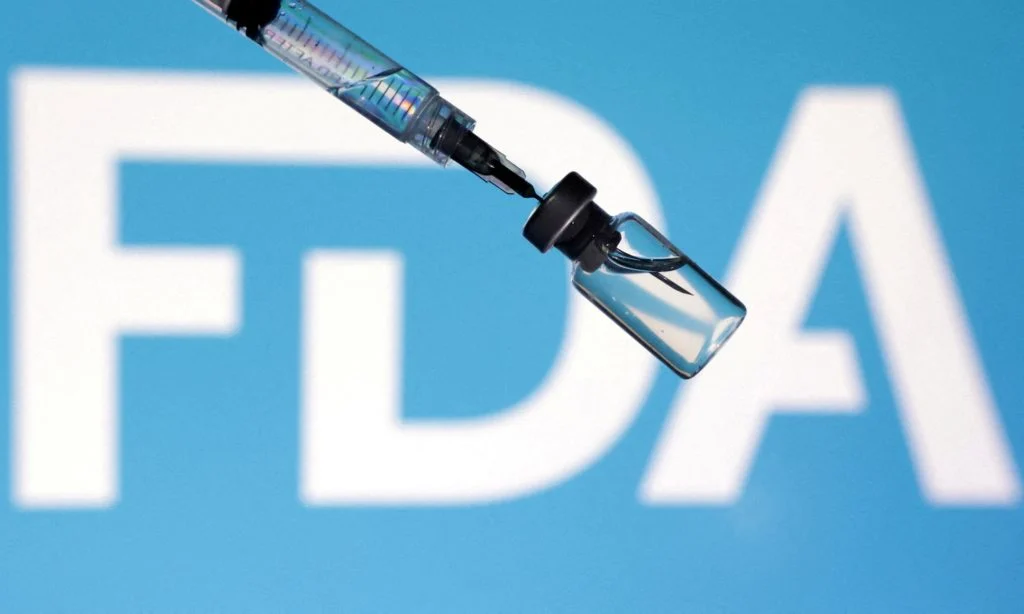
The landscape of modern American wellness is undergoing a profound, if controversial, transformation. As millions of citizens turn toward "biohacking" and self-optimization, the U.S. Food and Drug Administration (FDA) finds itself at a critical juncture. This week, an FDA advisory committee convened for a pivotal two-day meeting to deliberate on a landmark proposal: whether to lift long-standing regulatory bans and broaden access to seven popular peptides.
Once relegated to the niche subcultures of bodybuilding and anti-aging research, these compounds—short chains of amino acids—have vaulted into the mainstream. Bolstered by viral social media campaigns, celebrity endorsements, and vocal support from high-ranking government officials, including Health and Human Services Secretary Robert F. Kennedy Jr., the movement to legalize or simplify access to these substances is gaining unprecedented momentum. However, the scientific and medical communities remain deeply divided, weighing the promise of therapeutic breakthroughs against the risks of unregulated, systemic use.
The Rise of the Peptide Economy: A Chronology
To understand the current regulatory pressure, one must look at the rapid evolution of the "peptide craze" over the last decade.
2010–2018: The Niche Era
Initially, peptides were largely confined to specialized sports medicine clinics and underground bodybuilding forums. Compounds like BPC-157 (often touted for tissue repair) and various growth hormone-releasing peptides (GHRPs) were used by athletes seeking recovery edges. During this period, the FDA maintained a strict posture, primarily targeting compounding pharmacies that sold these products without rigorous clinical oversight.
2019–2023: The Wellness Explosion
The onset of the COVID-19 pandemic catalyzed a shift in consumer behavior. With a heightened focus on immunity, longevity, and "self-care," interest in biohacking surged. Influencers on platforms like TikTok and Instagram began documenting their peptide "stacks," promising everything from improved cognitive function to accelerated fat loss and skin rejuvenation.
2024: The Political Pivot
The conversation shifted from the digital realm to the halls of government. With the appointment of Robert F. Kennedy Jr. to lead the Department of Health and Human Services, the appetite for challenging the status quo of FDA regulations grew. Kennedy’s platform—which often emphasizes personal health autonomy and skepticism of conventional pharmaceutical monopolies—provided a political tailwind for those advocating for the deregulation of peptides.
2025: The Advisory Committee Confrontation
The current two-day advisory committee meeting represents the culmination of these tensions. The FDA is tasked with deciding whether the existing safety profile—or lack thereof—warrants a change in how these seven specific peptides are categorized and distributed.
Supporting Data: Why Peptides?
The appeal of peptides lies in their biological specificity. Unlike traditional pharmaceuticals that may have broad, systemic effects, peptides are designed to mimic the body’s own signaling molecules.
- Mechanism of Action: Peptides act as "molecular keys," binding to specific receptors to trigger cellular processes. For instance, CJC-1295 is designed to stimulate the pituitary gland to produce growth hormone, while Thymosin Beta-4 is investigated for its role in cellular migration and wound healing.
- The "Longevity" Market: Data from market research firms suggests the global peptide therapeutics market is expected to grow at a CAGR of nearly 10% through 2030. This growth is driven by an aging population desperate for solutions to chronic pain, cognitive decline, and metabolic dysfunction.
- The Safety Gap: A major point of contention is the lack of large-scale, longitudinal human clinical trials for many of these substances. While preclinical data often show promise, the transition to widespread human use—often via self-injection—poses significant risks, including improper dosing, cross-contamination, and the long-term impact of chronic hormonal manipulation.
The Expert Perspective: Dr. Dhruv Khullar’s Analysis
In a recent New Yorker feature, "Why Are People Injecting Themselves with Peptides?", Dr. Dhruv Khullar explores the sociological and medical dimensions of this trend. In discussions with journalists like PBS News Hour’s Amna Nawaz, Dr. Khullar highlights the psychological underpinnings of the movement.
"People are turning to peptides because they feel the current medical system has failed to offer solutions for their ‘sub-optimal’ health," Khullar notes. "They are tired of waiting for the slow grind of traditional drug development."
However, Khullar warns of the "wild west" nature of the current supply chain. Many peptides currently circulating are obtained through "gray market" online retailers that bypass the FDA’s stringent quality control protocols. The purity, concentration, and sterility of these products are often unverifiable, leading to concerns about systemic infections and unintended hormonal imbalances.
Official Responses and Regulatory Implications
The FDA’s Balancing Act
The FDA’s mandate is to protect public health by ensuring the safety and efficacy of medical products. Lifting a ban on seven peptides would set a significant precedent. If the agency concedes to market demand, it must simultaneously establish a framework for standardized production and labeling. Critics within the agency argue that such a move would effectively validate substances that haven’t passed the gold standard of randomized controlled trials (RCTs).
The HHS Stance
Secretary Robert F. Kennedy Jr. has been a vocal proponent of re-evaluating the FDA’s "restrictive" approach. His office has signaled a desire to reduce barriers to entry for therapies that could potentially reduce dependence on more toxic pharmaceutical interventions. This ideological shift puts the FDA in a precarious position: adhering to scientific rigor while navigating the political mandate for deregulation.
The Medical Establishment’s Concerns
Major medical associations remain cautious. The primary fear is that widespread access will lead to a surge in adverse events. Physicians point out that self-administering peptides—often without baseline blood work or professional supervision—is akin to "biological gambling."

Broader Implications: The Future of Medicine
The debate over these seven peptides is merely a microcosm of a larger conflict: Who owns the right to define "health" and "risk" in the 21st century?
1. The Democratization of Science
Proponents argue that the information age has democratized medical knowledge. If a patient is well-informed and willing to assume the risk, they argue that the government should not interfere in their choice to experiment with their own biology. This "bio-libertarian" perspective is fundamentally challenging the paternalistic model of modern medicine.
2. The Erosion of Evidence-Based Medicine
Conversely, public health experts fear that the normalization of unregulated peptides will erode public trust in evidence-based medicine. If the FDA allows substances onto the market without sufficient proof of safety, it risks creating a "post-truth" medical landscape where marketing and anecdote hold as much weight as clinical data.
3. Economic Consequences
If these peptides are brought into the legal market, the pharmaceutical industry will likely pivot to patenting and refining these compounds. This could lead to a massive market boom, but also to significantly higher costs for consumers, potentially turning "biohacking" from an affordable DIY hobby into an expensive, gated privilege.
Conclusion: The Path Forward
As the FDA advisory committee concludes its deliberations, the outcome will resonate far beyond the pharmaceutical industry. Whether the agency decides to open the doors to these seven peptides or reinforce the current restrictions, the genie is largely out of the bottle.
The surge in demand for these compounds reflects a populace that is increasingly impatient with the pace of traditional medicine. For the FDA, the challenge is not just to regulate chemistry, but to manage the expectations and desires of a society that has become its own test subject.
In the coming weeks, the agency’s formal response will be scrutinized by lobbyists, physicians, and millions of Americans who are currently waiting for a signal on whether their daily injections are a legitimate medical pursuit or a dangerous, unproven experiment. The decision will mark a pivotal moment in the history of American public health, signaling either a new era of proactive wellness or a cautionary tale about the limits of personal autonomy in medicine.