By News Desk | September 15, 2026
HARRISBURG, Pa. — Pennsylvania is currently the epicenter of a harrowing public health crisis, as state officials confirmed today that a fourth person has died due to complications from measles. This tragic milestone marks the most severe measles outbreak in the state in 35 years, highlighting a deepening national vulnerability to a disease that was once considered eliminated in the United States.
The latest victim, an 18-year-old resident of Mifflin County, succumbed to acute disseminated encephalomyelitis (ADEM), a rare and devastating neurological complication triggered by the measles virus. This death follows a series of fatalities that have alarmed medical professionals and public health advocates across the country.
The Chronology of a Growing Tragedy
The current outbreak in Pennsylvania has unfolded with alarming speed, exposing the fragility of regional immunization coverage.
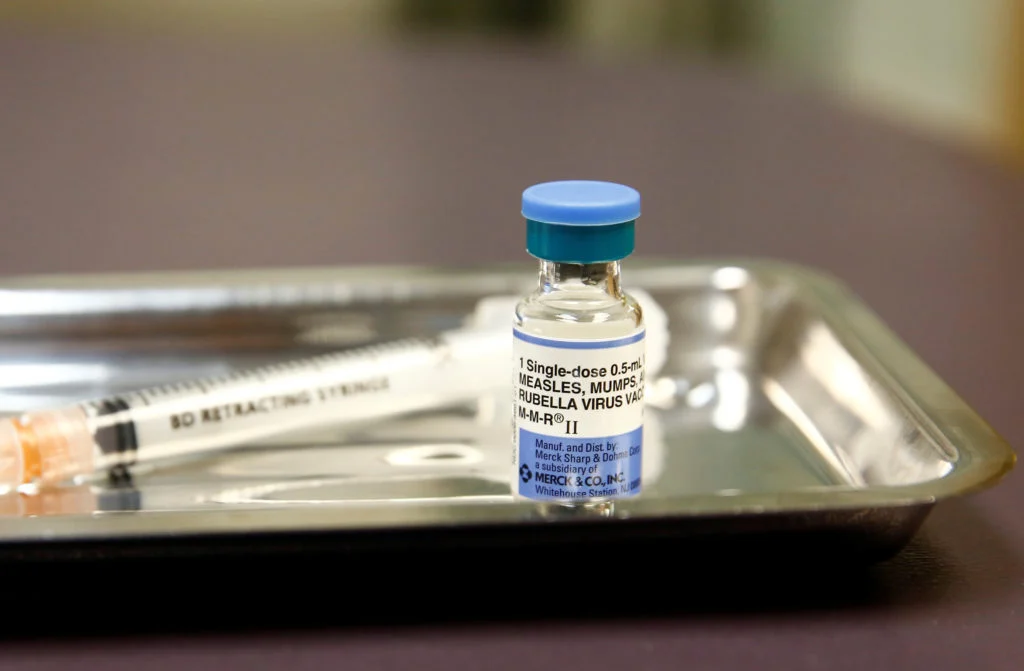
- Last Month: The crisis began to draw national attention when two infants in Lancaster County died from measles. Because both children were under the age of 12 months, they were ineligible for the standard MMR (measles, mumps, and rubella) vaccine, which is typically administered at one year of age. Their deaths underscored the lethal risk measles poses to the most vulnerable members of the population.
- September 12, 2026: A 40-year-old woman from rural Jefferson County passed away due to severe complications related to the virus. Her death marked the third fatality in the state’s ongoing battle with the outbreak.
- September 15, 2026: The Pennsylvania Department of Health confirmed the death of the 18-year-old Mifflin County resident, bringing the total number of measles-associated deaths in the state to four.
Across the Commonwealth, the data paints a grim picture. Nearly 700 laboratory-confirmed cases have been reported across 38 counties. In the last seven days alone, roughly 100 new cases have emerged, suggesting that the outbreak has not yet reached its peak.
Supporting Data: A National Regression
The situation in Pennsylvania is a microcosm of a larger, systemic failure occurring across the United States. The country is currently enduring its most difficult year for measles since 1991. Over the past two years, the U.S. has recorded seven measles-associated deaths—a figure that exceeds the total number of deaths from the disease over the previous three decades combined.
Public health experts point to a clear catalyst: the erosion of vaccination rates. For decades, the United States maintained a "measles-free" status, achieved by keeping MMR vaccination coverage above the 95% threshold required to maintain herd immunity. However, that coverage has dipped significantly in recent years.
"We are seeing the consequences of a fractured immunization landscape," said Dr. Elena Rossi, an infectious disease epidemiologist not involved in the state response. "Measles is incredibly contagious; it requires a very high bar of community immunity to keep it from spreading. When we fall below that 95% threshold, we lose our collective shield."
The decline in vaccination is attributed to a "perfect storm" of factors:
- Administrative Barriers: Rising challenges in accessing healthcare in rural areas, particularly in parts of Pennsylvania.
- Parental Waivers: A significant increase in the number of non-medical exemptions filed for school-aged children.
- The Information Crisis: The proliferation of medical disinformation has eroded public trust in established health institutions, leading more families to opt out of routine childhood vaccinations.
Official Responses and the Burden of Leadership
The state’s response to the crisis has been characterized by both urgency and frustration. Dr. Debra Bogen, the Pennsylvania Health Secretary, issued a stern statement on Tuesday, emphasizing the necessity of the MMR vaccine.
"My thoughts are with the two families who lost loved ones to this highly contagious virus, as Pennsylvania faces the worst measles outbreak in more than three decades," Dr. Bogen stated. "We remain committed to working with our partners across Pennsylvania to stem this outbreak and prevent more deaths. That means ensuring people have the facts about measles and access to the MMR vaccine, which kept measles outbreaks at bay for decades."
However, the state’s efforts are occurring against a backdrop of national-level policy shifts. Critics have pointed to the current federal health administration, led by Health Secretary Robert F. Kennedy Jr., as a significant contributor to the current environment of vaccine hesitancy. Under the current administration, federal health officials have frequently questioned the safety and efficacy of routine vaccinations, contributing to what medical historians describe as an "unprecedented level of doubt" surrounding standardized medical care. Furthermore, the defunding of local outreach programs—which historically helped bridge the gap for low-income and rural families—has hampered local health departments’ ability to conduct effective vaccination drives.
Implications for the Future of Public Health
As the state of Pennsylvania struggles to contain the spread, the international community is watching closely. In November, global health officials are scheduled to meet to assess whether the United States and Mexico have effectively lost their "measles-free" status. Losing this designation would be a significant blow to the nation’s public health reputation and could lead to increased travel restrictions and a reassessment of international health cooperation.
The Human Cost of Disinformation
The most pressing implication of the current outbreak is the human toll. Measles is not a "minor childhood illness." As seen in the case of the 18-year-old who died of ADEM, the virus can lead to severe neurological damage, permanent hearing loss, and respiratory failure. For families, the loss is irreversible.
"This is not just about numbers on a spreadsheet," says Dr. Marcus Thorne, a pediatrician in Philadelphia. "Every one of these cases represents a failure of our social contract. We have the tools to prevent this. The MMR vaccine is one of the most studied and safest medical interventions in human history. To see people dying of a vaccine-preventable disease in 2026 is a failure of our collective priorities."
A Call to Action
State officials are urging residents to check their immunization records and to consult with healthcare providers immediately if they suspect exposure. Public health centers have been tasked with increasing access to the MMR vaccine, even as they fight to counter the tide of skepticism that has taken hold in some communities.
The upcoming months will be critical. If the current trajectory continues, health officials fear the outbreak could spread to neighboring states, further destabilizing a regional health infrastructure already pushed to its limits.
"The history of public health is written in the success of our vaccinations," Dr. Bogen concluded in her address. "If we are to survive this crisis, we must return to the science that saved millions of lives. We must choose to protect one another."
As Pennsylvania mourns its fourth loss, the state—and indeed the nation—faces a pivotal choice: whether to reinforce the foundations of public health or allow a preventable, ancient scourge to continue its resurgence in the modern era.
The Associated Press’ health and science coverage receives financial support from the AP Fund for Journalism and private foundations. AP is solely responsible for all content. Find AP’s standards for working with philanthropies, a list of supporters and funded coverage areas at AP.org.