








In the landscape of modern public health, few crises are as pervasive yet poorly supported as the caregiving burden associated with severe mental illness (SMI). During this May’s Mental Health Awareness Month, Sherri Snelling, a noted corporate gerontologist, author, and CEO of the Caregiving Club, addressed this critical issue in the latest episode of her acclaimed podcast, Caregiving Club On Air (Season 6, Episode 70).
Joined by Jerri Clark, Resource and Advocacy Manager for the Treatment Advocacy Center (TAC) and author of the poignant memoir “Gone Before Gone – When Mental Illness Steals Someone You Love,” the discussion laid bare the systemic failures currently facing families of those living with conditions such as schizophrenia and bipolar disorder. As the prevalence of mental illness in the U.S. continues to climb, the conversation serves as a wake-up call for policy makers, employers, and society at large.
The Main Facts: A Rising Tide of Need
The statistics surrounding mental health in the United States are staggering. According to data discussed by Snelling and Clark, approximately 23.4% of U.S. adults are now living with some form of mental illness. To put this in historical context, the prevalence rate in the 1960s hovered between 3% and 5%.

While society has made significant strides in destigmatizing mental health and improving diagnostic accuracy, these gains have not translated into effective, accessible care. The central thesis of the episode is that while we have opened the conversation, we have failed to build the infrastructure to support the families who are the primary, and often sole, providers for those with severe mental illness.
"We may be better at naming these brain diseases and neurodivergent conditions," Snelling notes, "but the practical, daily support for individuals and their family caregivers remains woefully lacking."
A Chronology of Advocacy: From Crisis to Systemic Change
The history of mental health care in the United States is marked by a shift from institutionalization to community-based care—a transition that, while well-intentioned, often left thousands without a safety net.

- The 1960s – 1980s: The "Deinstitutionalization Movement" saw the closure of large state psychiatric hospitals. The promise was that these individuals would be integrated into local community mental health centers. However, funding for these centers never materialized at the scale required.
- The 1990s – 2010s: The focus shifted toward legal advocacy and the expansion of insurance parity, yet the practical realities of long-term, intensive care remained inaccessible for many families, leading to a rise in "criminalization" of mental illness, where jails became the nation’s largest providers of psychiatric care.
- 2020 – Present: The post-pandemic era has seen a surge in mental health awareness, but the strain on caregivers—many of whom are members of the "Sandwich Generation"—has reached a breaking point. Organizations like the Treatment Advocacy Center (TAC) are now spearheading a movement to reform involuntary treatment laws and expand access to assisted outpatient treatment (AOT).
Supporting Data: The Cost of Neglect
The data highlights a widening chasm between the needs of patients and the resources provided by the state. The Treatment Advocacy Center (TAC) points to several key areas where the system is failing:
- Treatment Gaps: Despite high rates of SMI, access to inpatient beds is at a historic low. Many individuals are caught in a cycle of "revolving door" hospitalizations, where they are stabilized just enough to be released, only to suffer a relapse due to a lack of long-term community support.
- The Caregiver Burden: Family members often act as case managers, medical advocates, and safety monitors. This role, performed without adequate training or financial compensation, leads to high rates of burnout, depression, and physical health decline among the caregivers themselves.
- Economic Impact: The lack of robust support systems costs the U.S. economy billions annually, not only in direct healthcare costs but in lost productivity and the strain placed on the criminal justice and emergency services systems.
Official Responses and the Role of TAC
The Treatment Advocacy Center (TAC) stands as a leading voice in challenging the status quo. Their advocacy is not merely about providing information; it is about changing the legislative framework that dictates how SMI is treated.
Jerri Clark, drawing from both her professional role at TAC and her personal experience as a caregiver, emphasizes that "the system is not designed to help the people who need it most." TAC’s official stance focuses on:

- Assisted Outpatient Treatment (AOT): Advocating for legal frameworks that allow for court-ordered treatment for individuals who are unable to recognize their own need for care due to the nature of their brain illness.
- Decriminalization: Working with law enforcement to divert individuals with SMI away from jails and toward specialized psychiatric facilities.
- Policy Reform: Pushing for the repeal of the "IMD Exclusion," a federal policy that prohibits Medicaid from paying for care in inpatient psychiatric hospitals with more than 16 beds, which severely limits treatment options for the most vulnerable.
Implications: The Future of Caregiving
The implications for the future are clear: without a fundamental shift in how we approach SMI, the burden will continue to fall on families, creating a cycle of trauma that spans generations.
The Employer Perspective
As more employees balance professional responsibilities with the intense demands of caring for a loved one with SMI, corporations must evolve. Snelling, who works extensively with workplace caregiving programs, suggests that "employers need to recognize that caregiving is not just about the elderly. It is about the ‘invisible’ caregiving for mental health that impacts employee performance and well-being every single day."
The Call to Action
The discussion between Snelling and Clark serves as a reminder that advocacy is not just for the professionals. Families affected by SMI are urged to:

- Engage with Local Policy: Use resources like the Elder Care Locator and TAC to understand local laws regarding involuntary treatment and crisis intervention.
- Seek Community: Join organizations that provide not only legal support but emotional validation for caregivers.
- Prioritize Personal Wellness: The Caregiving Club stresses that caregivers must "reset" their own health to continue the work of advocacy. Through initiatives like "Me Time Monday," caregivers are encouraged to reclaim small moments of peace to avoid total exhaustion.
Podcast Achievement: A Milestone for Caregiver Awareness
Amidst these heavy topics, there is cause for celebration. The Caregiving Club On Air podcast has officially reached the #3 spot on the list of the top 80 caregiving podcasts, according to the ranking firm Feedspot. This recognition is a testament to the hunger for quality information in the caregiving community.
"We are incredibly grateful to our listeners," says Snelling. "This ranking shows that people are looking for resources that go beyond the surface. They want deep, honest, and actionable conversations about the realities of caregiving."
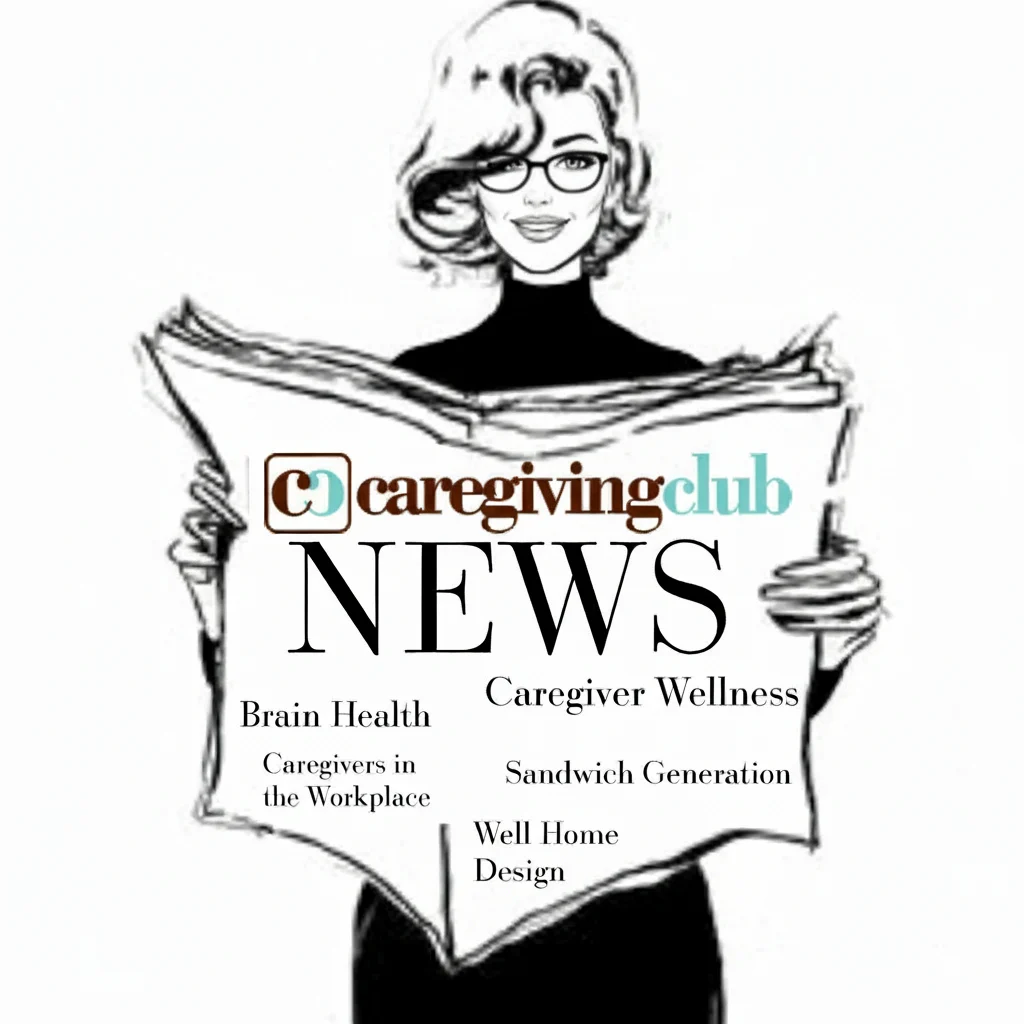
As the show transitions its news segments to a new, dedicated YouTube channel—Caregiving Club News—the goal remains the same: to provide free, high-quality, and accessible information to the millions of Americans who are the backbone of our long-term care system.

Moving Forward: Resources for the Journey
For those seeking help or looking to get involved, the following resources are essential:
- Treatment Advocacy Center (TAC): www.tac.org – For advocacy, research, and legal support regarding SMI.
- "Gone Before Gone": Jerri Clark’s memoir offers a powerful, empathetic look at the experience of losing a loved one to mental illness.
- Caregiving Club YouTube Channel: A hub for educational videos, including the "Self-Care in 7 Minutes" wellness series and the new "Caregiving Club News" program.
- Elder Care Locator: A national service that helps connect families with local resources for those in need of assistance.
As Mental Health Awareness Month concludes, the message from the Caregiving Club is clear: awareness is only the beginning. The next step is structural change, and that change begins with the persistent, often quiet, advocacy of those who refuse to let their loved ones be forgotten. By amplifying these stories and pushing for systemic reform, we can hope to build a future where severe mental illness is treated with the same urgency and compassion as any other life-threatening medical condition.