










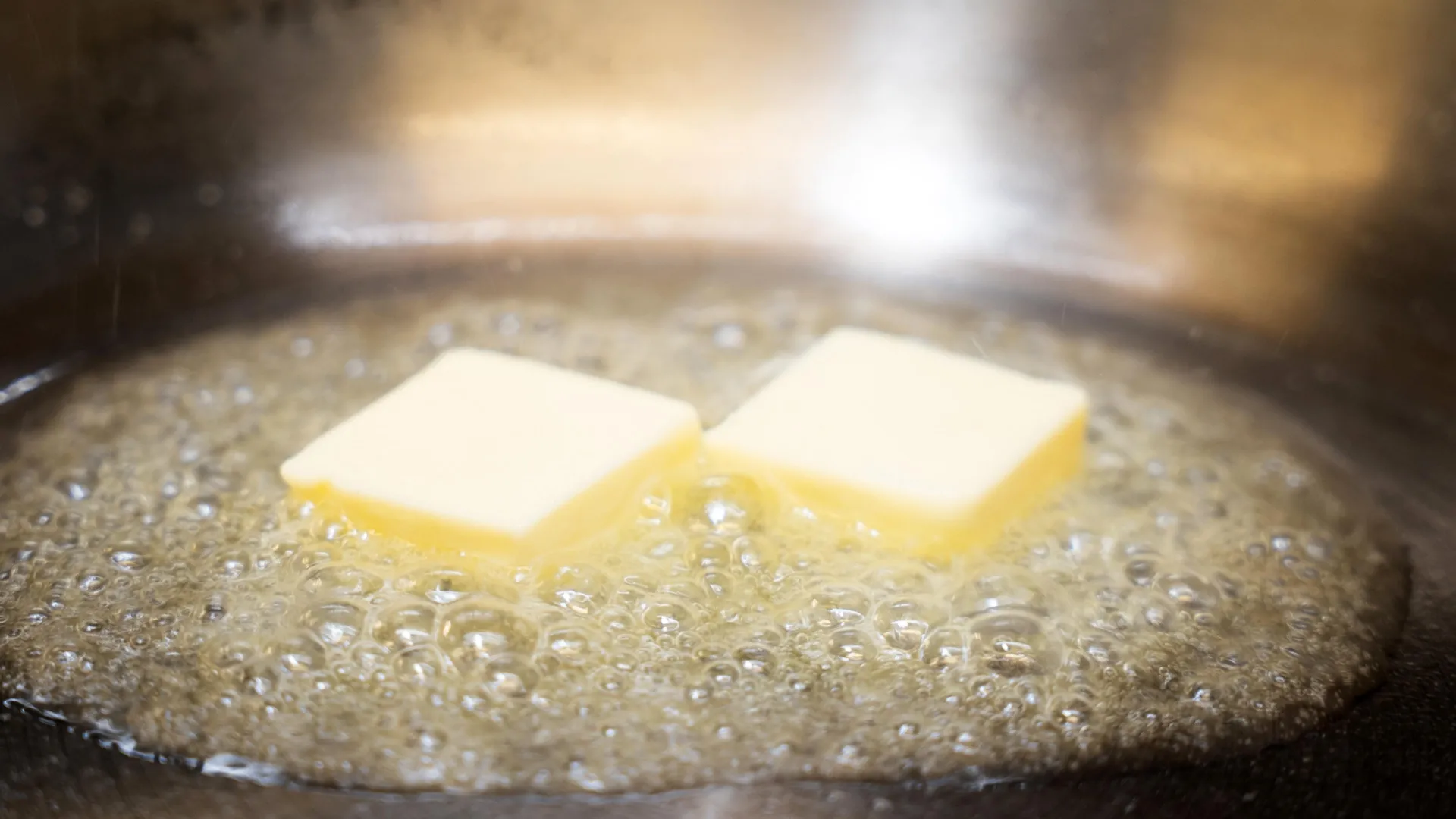
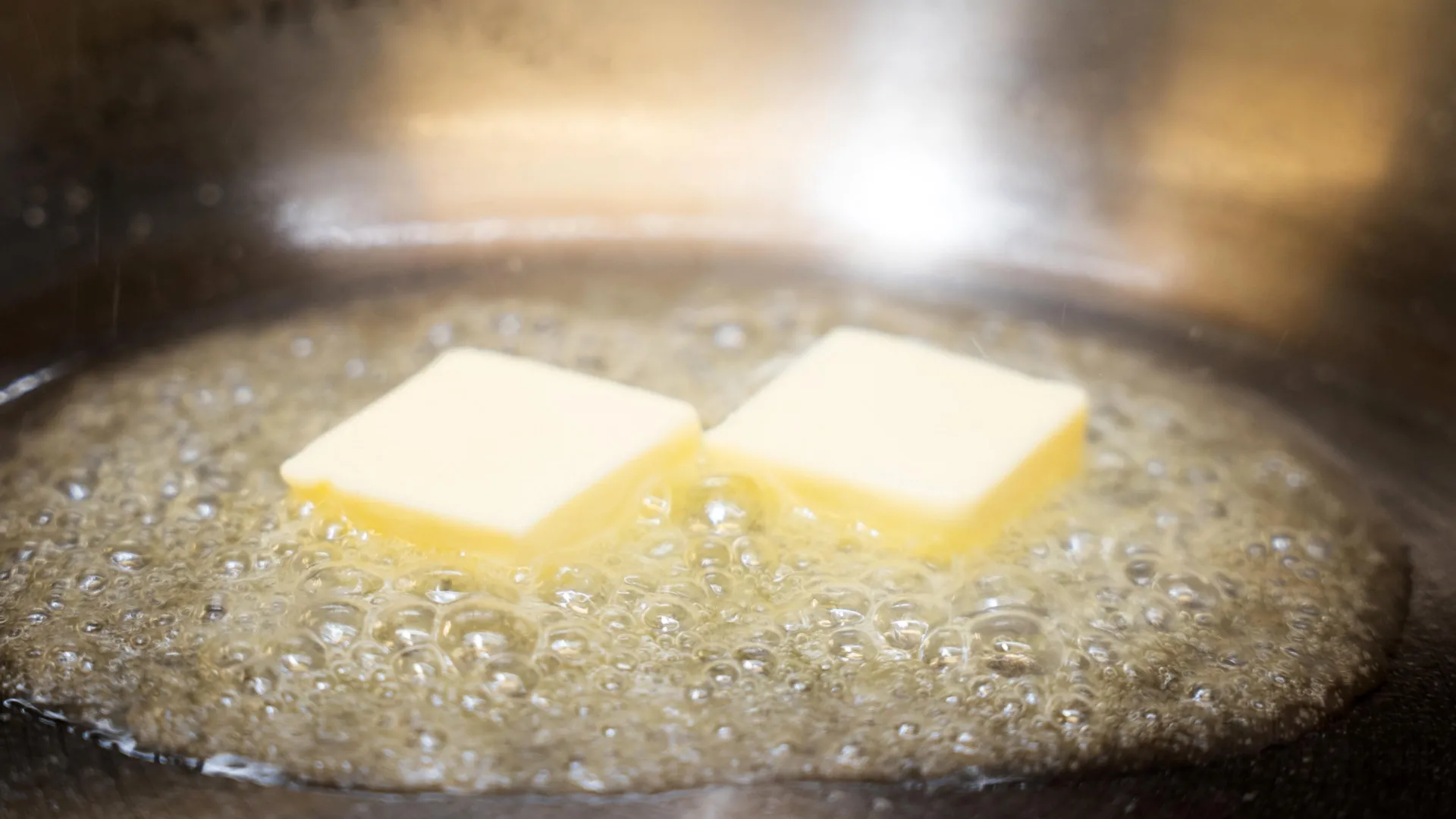
For many, the scent of butter browning in a pan is the quintessential aroma of home cooking. From the rich, golden smears on a morning slice of toast to the precise, flaky layers of a classic croissant, butter has long served as the cornerstone of culinary tradition. Yet, in the modern supermarket, butter shares shelf space with a diverse array of margarine and vegetable-oil-based spreads. While they may appear interchangeable at a glance, these products represent two vastly different approaches to food science—one born of pastoral tradition and the other of industrial innovation.
Understanding the fundamental differences between these two kitchen staples requires a journey into the molecular structure of fats, the history of food technology, and the nuanced ways these ingredients behave under heat and pressure.
Main Facts: The Molecular Matrix
At their most basic level, both butter and margarine are emulsions—complex mixtures of microscopic water droplets suspended within a continuous fat matrix. This matrix is composed primarily of triglycerides, the most common form of dietary fat. A triglyceride molecule consists of three fatty acid chains attached to a glycerol backbone.
The primary distinction between butter and margarine lies in the nature of these fatty acids. In butter, the fatty acids are predominantly saturated. Because saturated fats contain no double bonds between carbon atoms, their molecular chains are straight and rigid, allowing them to stack together efficiently. This structural density gives butter its characteristic firmness at room temperature and its specific melting profile.
Conversely, margarine is derived from plant-based oils, which are primarily unsaturated. The double bonds in unsaturated fatty acids create "kinks" in the molecular chain, preventing them from stacking neatly. This structural irregularity is the reason why margarine, if left to its own devices, would remain liquid at room temperature. To turn these oils into the solid sticks familiar to bakers, food scientists employ sophisticated processing techniques.
A Chronological Evolution: From Churn to Chemist
The history of butter is as old as the domestication of livestock. Traditionally, butter is produced through the physical agitation—or churning—of cream. As the cream is shaken, the protective membranes of the fat globules rupture. The released fat coalesces into semi-solid grains, separating from the watery, low-fat buttermilk. Once the grains are gathered, kneaded, and pressed, the remaining water is dispersed, resulting in the creamy, stable substance we recognize as butter.
Cultured butter, a gourmet variation, introduces lactic acid bacteria into the cream before churning. These bacteria ferment the milk sugars (lactose) into flavor-forward organic acids and compounds like diacetyl, resulting in the complex, tangy flavor profile prized by chefs.
Margarine’s history is far more recent, emerging as an industrial alternative in the 19th century. Initially, the process relied heavily on partial hydrogenation to solidify liquid oils—a process that unfortunately created trans fats. As the medical community identified the cardiovascular risks associated with trans fats, the industry pivoted.
Modern margarine production now favors a process called interesterification. This involves chemically rearranging the fatty acids on the glycerol backbone to create a more uniform fat distribution. This allows manufacturers to achieve a desired texture and melting point without the need for harmful trans fats. Unlike traditional churning, this is a precise, laboratory-controlled procedure.
Supporting Data: Composition and Standardization
Both products are subject to strict composition requirements. By law, both butter and margarine must be at least 80% fat, though high-end European-style butters can reach 85% fat content. The remaining percentage consists of approximately 16% water, with the remainder in butter being comprised of vitamins, minerals, lactose, and milk proteins.
The U.S. government maintains an "official standard of identity" for butter—one of the oldest food regulations in the country. This standard ensures that what a consumer purchases as "butter" is strictly defined by its production method and composition. Margarine, while regulated for safety, lacks the centuries-old cultural standardization of its bovine counterpart.
The Role of Color and Additives
A key visual difference is the golden hue of butter. This color is derived from beta-carotene, a pigment found in the grasses consumed by cows. Because cows do not fully metabolize this pigment, it ends up in their milk. Margarine, naturally colorless, must be artificially tinted with synthetic beta-carotene to appeal to the consumer’s subconscious desire for the "butter look." Furthermore, manufacturers add emulsifiers like lecithin and various preservatives to ensure that the water and oil components of margarine do not separate over time.
Official Perspectives and Health Implications
The debate between butter and margarine is often framed as a conflict between "natural" versus "processed" foods. From a nutritional standpoint, the distinction is significant. Butter contains naturally occurring saturated fats and cholesterol. Margarine, as an ultra-processed food, contains lower levels of saturated fats but undergoes extensive industrial modification.
The scientific consensus has shifted over the decades. While the early 20th-century push for margarine was driven by a desire to avoid animal fats, the later discovery that the trans-fatty acids produced during early hydrogenation were dangerous led to a massive overhaul of the industry. Today, public health organizations emphasize the importance of reading labels, as the degree of processing—and the types of oils used—varies wildly between different brands of spreads.
The U.S. Food and Drug Administration (FDA) and other global bodies continue to monitor these ingredients, though it is important to note that manufacturers are not currently required to disclose whether their product has undergone interesterification on the front of the packaging.
Culinary Implications: Performance in the Kitchen
The chemical differences between these two fats dictate their performance in the kitchen, particularly in baking.
The Maillard Reaction
When butter is heated, its milk proteins and lactose undergo the Maillard reaction—the same process that browns toast and sears steak. This produces a nutty, caramelized flavor that is impossible to replicate perfectly with margarine, which lacks these milk solids. For recipes where browning or "toasty" aromatics are the goal, butter is the superior choice.
Texture and Structure
In baking, the ability of a fat to trap air is vital. Butter’s crystalline structure allows it to hold onto air bubbles during the creaming process, which is essential for the light, airy crumb of a cake. Because margarine’s melting point is often engineered for consistency, it does not always behave the same way under the mechanical stress of a stand mixer.
However, margarine holds certain technical advantages. Because it is designed for stability, it remains solid over a wider temperature range, making it easier to work with in warm environments where butter might turn to mush. Furthermore, its longer shelf life makes it a more economical choice for large-scale commercial baking.
Steam and Layering
For pastries like puff pastry or croissants, butter is chemically superior. The water content in butter vaporizes in the heat of the oven, creating steam that forces the layers of dough apart, resulting in a flaky, crisp texture. While margarine contains water, its interaction with the starch and gluten in the flour differs due to its lack of milk proteins, often resulting in a slightly different texture and mouthfeel.
Conclusion: Choosing the Right Tool
Ultimately, the choice between butter and margarine is not merely a matter of preference—it is a choice of chemistry. Butter offers the complexity of natural flavor and the structural necessity for high-end baking, while margarine offers consistency, shelf stability, and a reduced saturated fat profile.
For the home cook, understanding these properties—why butter browns, why it creates flaky layers, and how margarine maintains its structure—transforms the act of cooking from a rote task into a scientific endeavor. Whether you are whipping up a batch of holiday cookies or simply spreading a thin layer of fat on a piece of morning toast, you are engaging with centuries of culinary evolution and the sophisticated physics of the emulsion. By mastering the science behind the spread, one can ensure that every dish achieves the desired flavor, texture, and quality.