Every trip to the modern supermarket feels like an exercise in financial endurance. For millions of Americans, the routine of grocery shopping has shifted from a mundane chore to a stressful confrontation with the realities of persistent food inflation. For the average consumer, this means tighter margins on household budgets; for the dedicated fitness enthusiast, it creates a specialized crisis.
When your lifestyle demands a high-protein, calorie-dense intake to sustain grueling training sessions, the rising cost of staple items like lean meats, fresh produce, and quality grains can turn a "fitness lifestyle" into a fiscal liability. However, the prevailing myth that healthy eating requires an elite income is exactly that—a myth. By adopting a strategic,, and calculated approach to the grocery store, you can maintain your gains while significantly lowering your overhead.
The Economic Reality of Modern Nutrition
The current state of the food supply chain is complex. While inflation has stabilized from its post-pandemic peaks, prices remain elevated compared to historical norms. Specifically, the protein sector—the cornerstone of any muscle-building diet—has seen significant volatility. From the 2025 avian influenza outbreaks that sent egg prices soaring to the general inflationary pressure on beef and poultry, the "cost per gram of protein" has become the most important metric for the budget-conscious athlete.
For those who rely on high-volume eating to power their workouts, the financial bleed is faster. If you require 3,000+ calories a day, a diet based on pre-packaged, "convenience" health foods—such as store-bought protein bars, pre-cut fruit, and premium cuts of meat—is a recipe for bankruptcy. The solution is not to abandon your nutritional goals, but to re-engineer your shopping strategy.
Strategic Grocery Hacks: The 30% Reduction Protocol
Achieving a 30% reduction in your weekly grocery spend does not require extreme couponing or sacrificing your health. It requires a shift in perspective, moving away from convenience-led shopping toward a "raw ingredient" model.
1. The Power of the Pantry (Canned Goods)
Canned foods are arguably the most maligned yet effective tool in the budget-athlete’s arsenal. Canned fish—sardines, tuna, and salmon—offer a dense, high-quality protein source that is shelf-stable and significantly cheaper than fresh fillets. Similarly, canned beans are an nutritional powerhouse, offering fiber and plant-based protein for cents on the dollar. When it comes to tomatoes, canned versions are often harvested at peak ripeness and processed immediately, offering a superior flavor profile and lower cost than the lackluster, out-of-season fresh tomatoes found in the produce aisle.
2. The Rebirth of the Egg
After the price shocks of 2025, egg prices have largely stabilized, reclaiming their throne as the most cost-effective complete protein available. At roughly 25 to 40 cents per egg, they are an essential component of a budget-friendly lunch or dinner, not just breakfast. Their versatility—scrambled, fried, or baked into casseroles—makes them the ultimate "emergency" protein source for when the freezer is empty.
3. Carbohydrate Efficiency: Spud Love
Active individuals require carbohydrates to fuel their training. While quinoa and rice are staples, the humble potato remains the gold standard for budget-conscious energy. Potatoes are calorie-dense, nutrient-rich, and incredibly inexpensive when purchased in bulk bags. Whether baked, roasted, or mashed, they provide the necessary glucose for high-intensity training without the high price tag of "superfood" grains.
4. Choosing Neglected Cuts of Meat
The grocery store price tag is often dictated by marketing rather than nutritional value. Chicken breasts and beef tenderloin command a premium, but "neglected" cuts like chicken thighs, pork loin, and round steak are often cheaper by the pound. These cuts may require longer cooking times or different preparation techniques, but they are often richer in flavor and equally effective for muscle synthesis.
5. Frozen Over Fresh
When produce is out of season, the "fresh" options are often nutritionally inferior, having spent days in transit. Frozen vegetables and fruits are picked at their nutritional peak and flash-frozen, preserving their vitamin content. Buying frozen blueberries, broccoli, or butternut squash eliminates the risk of spoilage, ensuring you aren’t literally throwing your money into the compost bin.
6. The Economy of Scale: Bulk Bins
Bulk bins are the enemy of unnecessary packaging costs. By purchasing grains, legumes, nuts, and spices in bulk, you bypass the marketing markups associated with brand-name packaging. This allows you to purchase exact quantities, reducing waste and ensuring your pantry is stocked with the essentials at a fraction of the cost.
7. The "Store Brand" Advantage
Nutritional parity is rarely mentioned in marketing, but generic or store-brand items are frequently identical to their name-brand counterparts. From canned beans to rolled oats, switching to store brands is the single fastest way to cut your grocery bill by an average of 30% without changing your diet.
8. Hunting for Sell-offs
The "best-before" date is a suggestion, not a death sentence. Many grocery stores aggressively mark down items—from yogurt to lean cuts of meat—as they approach their sell-by date. A strategic trip to the store during mark-down hours can provide high-quality proteins for pennies on the dollar.
Tactical Meal Preparation
To truly succeed, your food must be "versatile." Avoid buying ingredients that serve only one purpose. Cilantro, for instance, should be used in tacos, curries, and sauces. If you buy a large bag of an ingredient, ensure it has a role in at least three different meals throughout the week.
The "DIY" Principle
Convenience is the most expensive item in the supermarket. Paying for shredded cheese, deboned chicken, or pre-chopped fruit is paying for labor you are perfectly capable of doing yourself. By investing a small amount of time in prep work, you retain the value that would otherwise be lost to the retailer.
Three High-Nutrition, Low-Cost Recipes
The following meals demonstrate that flavor and nutrition do not have to be sacrificed for the sake of the budget. Each of these recipes costs less than $10 to produce and is engineered for muscle recovery.
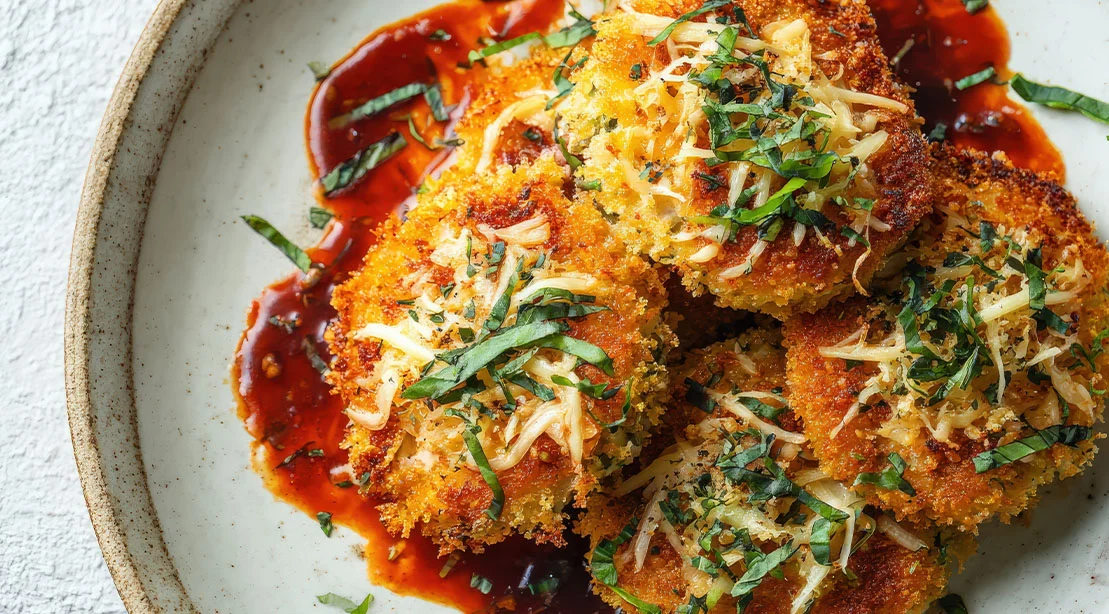
1. Lemony Sweet Potato Fish Cakes with Red Sauce
This dish maximizes the utility of canned sardines and root vegetables.
- Ingredients: 2 cans sardines, 2 medium sweet potatoes, 1 egg, breadcrumbs, red onion, lemon zest, Italian seasoning, crushed canned tomatoes, garlic, chili flakes.
- Process: Mash the potatoes and sardines, incorporate the binding ingredients, and form patties. Sear until golden. Warm the tomato, garlic, and chili in the microwave to create a quick, vibrant sauce.
2. Egg and Bean Casserole
The ultimate "make-ahead" meal that balances plant-based fiber with high-quality animal protein.
- Ingredients: Bread cubes, onions, mushrooms, bell peppers, canned black beans, eggs, milk, shredded cheese, spinach.
- Process: Sauté the vegetables to remove moisture, combine with eggs and beans, and pour over bread cubes. Refrigerate overnight to allow the bread to soak up the mixture, then bake until the center is set.
3. Pumpkin Butter Chicken
A budget-friendly riff on a classic that utilizes canned pumpkin and chicken thighs to create a rich, comforting, and high-protein meal.
- Ingredients: Chicken thighs, onion, garlic, ginger, cumin, garam masala, turmeric, canned chickpeas, coconut milk, pumpkin puree, tomato paste.
- Process: Brown the chicken and spices, stir in the liquids and pumpkin to create a thick, velvety sauce. Simmer with chickpeas for added fiber and volume.
Implications for the Future
The long-term implication of these shopping habits is a more resilient, self-sufficient approach to health. By treating your kitchen as a lab for efficiency rather than a source of instant gratification, you insulate yourself from the volatility of the food market. The "Iron Budget" isn’t just about surviving the next trip to the store—it’s about building a sustainable, long-term habit that supports your physique and your financial health in equal measure. When you master the art of the shop, you don’t just eat like a champion; you manage your resources like one.