



For many health-conscious Americans, the weekly trip to the supermarket has evolved from a routine chore into a source of genuine financial anxiety. As food inflation continues to exert pressure on household budgets, the dream of maintaining a high-protein, performance-oriented diet can feel increasingly out of reach. For those who require significant caloric intake to fuel rigorous training—whether for bodybuilding, powerlifting, or endurance sports—the rising cost of meat, fresh produce, and supplements can turn the grocery bill into a major blow to one’s savings account.
However, the assumption that healthy, muscle-building nutrition requires a premium price tag is a misconception. You do not need to rely on instant noodles or highly processed, low-quality snacks to make ends meet. By shifting your strategy from "buying what you want" to "buying what works," you can slash your food costs by up to 30% without sacrificing your fitness goals.
The Reality of Modern Food Inflation
Main Facts: The Current Landscape
According to recent economic data, while the rate of grocery inflation has shown signs of stabilizing, the baseline cost of essential commodities remains significantly higher than it was just a few years ago. Protein sources—specifically beef and poultry—have seen consistent price hikes, often driven by supply chain volatility and feed costs. Furthermore, the 2025 avian influenza outbreaks caused a temporary but severe spike in egg prices. While these costs have moderated, the "sticker shock" persists for many consumers.
Chronology of the Crisis
The current inflationary cycle began in 2021, driven by a convergence of supply chain bottlenecks, rising fuel costs, and labor shortages. By 2023, food prices reached historic highs. 2024 and 2025 brought "volatile stability," where prices leveled off but failed to return to pre-pandemic baselines. For the athlete, this period necessitated a complete overhaul of traditional "clean eating" habits, moving away from expensive "superfoods" and towards high-density, low-cost staples.
Strategic Grocery Hacks to Slash Costs
To combat these economic realities, fitness enthusiasts must adopt a more analytical approach to the grocery store. It is not about being a "cheapskate"; it is about maximizing the "nutrient-per-dollar" ratio.
1. The Power of the Can
Canned goods are frequently overlooked due to a misguided perception of inferior quality. In reality, canned fish (sardines, tuna, mackerel) provides a cost-effective, shelf-stable source of high-quality protein and omega-3 fatty acids. Canned beans and legumes are fiber-rich, shelf-stable, and significantly cheaper than their pre-cooked or "fresh" counterparts. Similarly, canned tomatoes often offer superior flavor and nutritional concentration compared to out-of-season, pale fresh tomatoes.
2. The Return of the Egg
Once the poster child for price instability, eggs have regained their status as the most cost-effective complete protein available. At an average cost of 25 to 40 cents per egg, they are a versatile powerhouse. Whether scrambled, boiled, or folded into an omelette, they are an essential component of a budget-friendly lunch or dinner, not just breakfast.
3. Carbohydrate Optimization: The "Spud" Strategy
Carbohydrates are the primary fuel source for high-intensity training. Instead of reaching for expensive specialty grains or packaged health bars, lean into potatoes. Whether russet, sweet, or gold, potatoes are incredibly dense in quality carbohydrates and micronutrients. Purchasing them in bulk bags can reduce the price-per-pound to a fraction of the cost of other carb sources.
4. Embracing "Neglected" Cuts
The fitness industry has long fetishized chicken breasts and lean beef tenderloin. However, these are the most expensive cuts on the animal. By shifting your focus to "neglected" cuts—such as chicken thighs, pork loin, and round steak—you can secure the same protein density for a significantly lower price. These cuts are often more flavorful and forgiving during the cooking process.
5. Subzero Heroes: The Frozen Advantage
Fresh produce is prone to spoilage, which represents "lost capital" when it ends up in the compost bin. Frozen vegetables and fruits are often picked at the peak of ripeness and flash-frozen, locking in their nutritional profile. They are consistently cheaper than fresh versions, especially for those living alone who struggle to finish a bag of fresh broccoli before it turns.
6. The "Two-Meal Rule" and Bulk Buying
Never purchase an ingredient that cannot be used in at least two distinct meals. A large bunch of cilantro or a bag of spinach should be incorporated into multiple dishes throughout the week to ensure zero waste. Furthermore, raiding the bulk bins for grains, nuts, and spices eliminates the "packaging tax," allowing you to buy only exactly what you need for a specific recipe.
Implications for the Modern Athlete
The implications of these shifts are clear: success in nutrition, much like success in the gym, requires consistency and discipline. The "hidden" cost of convenience is high. By choosing to shell your own shrimp, shred your own cheese, and de-bone your own chicken, you are essentially paying yourself for the labor. These small, granular shifts in behavior result in cumulative savings that can add up to hundreds of dollars per month.
Low-Cost, High-Performance Recipes
To prove that budget-conscious eating can be both delicious and anabolic, here are three recipes that cost less than $10 to prepare and deliver substantial protein.
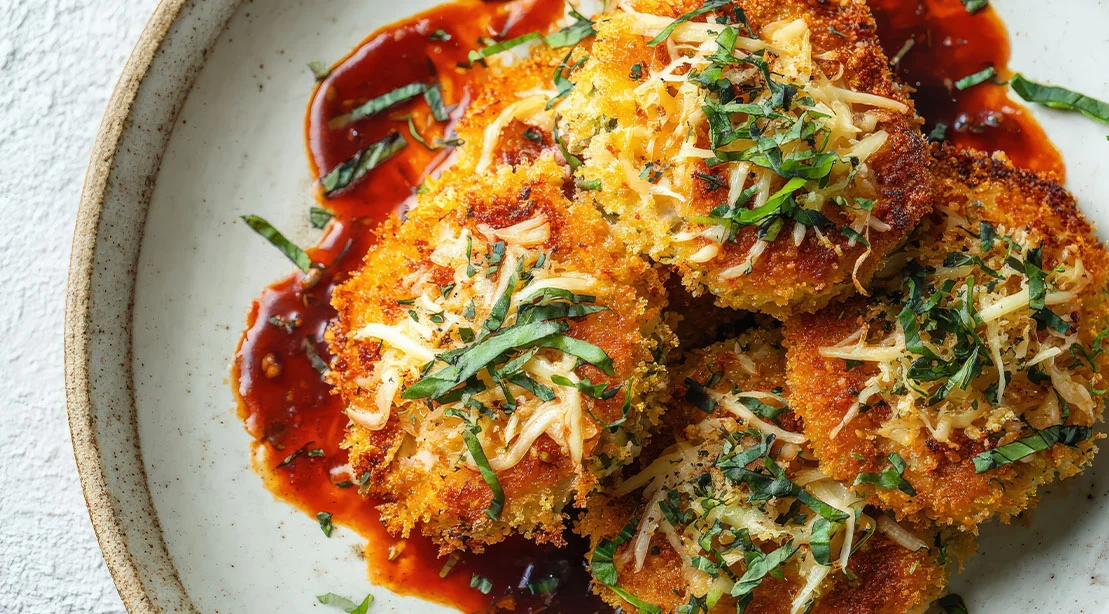
Lemony Sweet Potato Fish Cakes with Red Sauce
- The Concept: This dish leverages the cost-saving power of canned sardines and root vegetables.
- The Build: Mash two cups of cooked, peeled sweet potatoes with two cans of sardines (drained). Mix in one egg, a half-cup of breadcrumbs, red onion, lemon zest, and Italian seasoning. Form into patties and pan-fry in a small amount of oil until golden. Serve with a quick, microwaved sauce made of crushed tomatoes, garlic, and chili flakes.
Egg and Bean Casserole
- The Concept: A "set-it-and-forget-it" meal that provides a massive wallop of plant-based and animal-based protein.
- The Build: In a 9×13 baking dish, layer cubed bread. Sauté onions, mushrooms, bell peppers, and spinach. Combine with black beans. Whisk together six eggs, a splash of milk, and a handful of shredded cheese. Pour over the bread and vegetable mix. Refrigerate overnight, then bake at 375°F for 40 minutes. It is the ultimate meal-prep solution.
Pumpkin Butter Chicken
- The Concept: A high-fiber, high-protein riff on a classic that utilizes canned pumpkin and chickpeas to stretch the chicken further.
- The Build: Brown chicken in a pan with onions, ginger, and garlic. Stir in a robust spice blend (garam masala, turmeric, cumin, and coriander). Add a can of chickpeas, a cup of canned pumpkin puree, and a splash of coconut milk. Simmer until the sauce thickens. Serve over rice for a complete, inexpensive meal.
Expert Analysis and Official Perspectives
Nutritionists and financial planners alike agree: the "cost of health" is often inflated by marketing. A 2024 analysis of grocery trends found that families who primarily shop the store perimeter—avoiding the high-margin, processed aisles—save an average of 25% on their annual food expenditure.
"The most expensive thing in the grocery store is convenience," notes culinary economist Dr. Marcus Thorne. "When you pay for pre-chopped vegetables or pre-marinated meats, you are paying a 200% markup for five minutes of labor. For the athlete, the trade-off is simple: invest a small amount of time in the kitchen to preserve your financial capital for your fitness pursuits."
Conclusion: The Long Game
The current inflationary climate is a challenge, but it is also an opportunity to refine your habits. By embracing root vegetables during the winter, utilizing the bulk aisle, and mastering the art of the "neglected cut," you can maintain your physical gains without compromising your financial security. Eating like a champion isn’t about how much you spend; it’s about how efficiently you fuel your machine. Keep it simple, keep it consistent, and stay within your budget.