








In a sobering new study published in the open-access journal BMJ Global Health, researchers have unveiled a troubling reality regarding public health in India: there appears to be no "safe" threshold for alcohol consumption when it comes to the risk of developing buccal mucosa cancer—the most common form of mouth cancer in the country. The findings suggest that even minimal daily intake, equivalent to a single standard drink, is linked to a staggering 50% increase in cancer risk. Perhaps more alarming is the study’s conclusion that the synergy between alcohol and chewing tobacco may be responsible for over 60% of all buccal mucosa cancer cases in India, effectively turning a common social habit into a lethal public health emergency.
The Magnitude of the Crisis: A Growing Epidemic
Mouth cancer stands as the second most prevalent cancer in India, trailing only behind other major lifestyle-related malignancies. The statistics are harrowing: an estimated 143,759 new cases are diagnosed annually, resulting in 79,979 deaths. With incidence rates currently hovering just below 15 cases per 100,000 Indian men, the trend line is moving in the wrong direction.
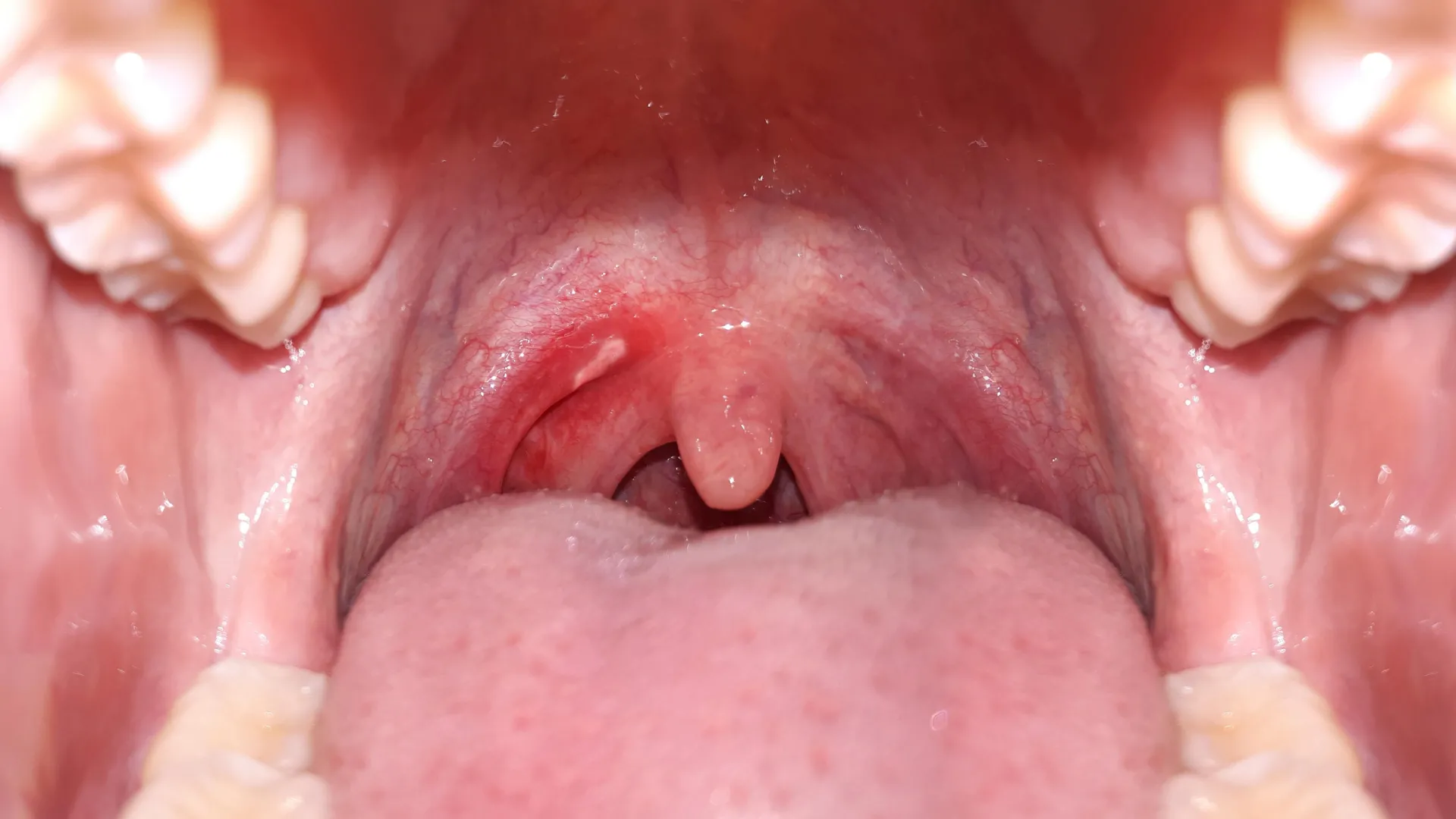
The cancer primarily targets the buccal mucosa—the soft, vulnerable tissue lining the inside of the cheeks and lips. The clinical prognosis for patients is grim; the five-year survival rate remains stubbornly low at approximately 43%. Because early symptoms are often mistaken for minor irritations or dental issues, many patients are diagnosed at advanced stages, significantly complicating treatment pathways and diminishing the likelihood of long-term recovery.
Chronology of the Research: Unraveling the Correlation
To dissect the intricate relationship between substance use and malignancy, researchers embarked on a comprehensive comparative study spanning over a decade. Between 2010 and 2021, the research team recruited 1,803 individuals diagnosed with buccal mucosa cancer from five specialized medical centers. These subjects were compared against a control group of 1,903 healthy individuals randomly selected from the same regions.
The demographic profile of the study was notably young. A significant portion of participants fell within the 35 to 54 age range, with nearly 46% of all cancer cases identified in individuals aged 25 to 45. This highlights a critical societal concern: the disease is striking in the most economically productive years of life, placing an immense burden on both the healthcare system and the Indian workforce.
The Methodology of Exposure
The study’s rigor relied on detailed longitudinal data provided by the participants. Researchers meticulously mapped out:
- Alcohol History: Duration, frequency, and specific type of intake. The survey encompassed 11 internationally recognized beverages (beer, whisky, rum, etc.) and 30 varieties of locally brewed "country liquor" (such as apong, bangla, chulli, desi daru, and mahua).
- Tobacco Patterns: The frequency, duration, and specific forms of smokeless tobacco used, acknowledging that tobacco is a constant, often inseparable variable in the Indian context.
The data revealed a stark contrast between the two groups. Among the cancer cohort, 781 individuals were alcohol consumers, compared to only 481 in the control group. Furthermore, those diagnosed with cancer reported significantly longer histories of tobacco use—averaging 21 years compared to 18 years among the healthy controls—and higher average daily alcohol consumption (37 g vs. 29 g).
Supporting Data: Quantifying the Risk
The findings serve as a clarion call for the reconsideration of "moderate" drinking guidelines. The study established a dose-response relationship that defies conventional wisdom regarding light consumption.
The "No Safe Limit" Verdict
The researchers found that even minimal exposure to alcohol—such as less than 2 g of beer per day—carried an elevated risk. When that consumption hit 9 g (roughly one standard drink), the risk of buccal mucosa cancer jumped by 50%.
The source of the alcohol was a primary differentiator in risk levels:
- General Alcohol Consumers: A 68% increased risk compared to non-drinkers.
- International Brand Consumers: A 72% increased risk.
- Locally Brewed Liquor Consumers: An 87% increased risk.
The Lethal Synergy
The most devastating finding involved the interaction between alcohol and chewing tobacco. When used in tandem, the risk profile did not merely add up; it compounded. The combined exposure was linked to a more than fourfold increase in cancer risk. The study estimates that 62% of all buccal mucosa cancer cases in India can be directly attributed to this toxic interplay.
The Biological Mechanism: Why Alcohol Matters
The researchers propose a compelling biological mechanism to explain why alcohol—even in small amounts—dramatically escalates risk. They suggest that ethanol, the primary component of alcoholic beverages, acts as a solvent that alters the lipid composition of the oral lining. This change increases the permeability of the mucosal tissue, making it significantly more receptive to the cocktail of carcinogens found in chewing tobacco. By stripping away the natural protective barriers of the mouth, alcohol essentially "opens the door" for tobacco-related toxins to penetrate deep into the cellular structure, initiating the oncogenic process.
Unregulated Markets: The Hidden Dangers of Country Liquor
A significant portion of the study focuses on the "unregulated" nature of the market for locally brewed alcohol. Unlike commercial brands, which are subject to state oversight and manufacturing standards, country liquors are often produced in artisanal or home-based settings.
The researchers note that these beverages frequently contain high concentrations of contaminants, including methanol and acetaldehyde, which are known to be toxic. Some samples analyzed in the study contained up to 90% alcohol content. The current legal framework in India, which delegates alcohol regulation to the states under the Seventh Schedule of the Constitution, creates a fragmented system. While state governments have the authority to control production, the informal sector remains largely outside the scope of health-focused policy enforcement, allowing high-risk, high-potency products to proliferate, particularly in rural and low-income areas.
Implications for Public Health Policy
The authors of the BMJ Global Health study are explicit in their conclusion: the elimination of mouth cancer in India is theoretically possible, but it requires a radical shift in how the nation views and regulates substance use.
Recommendations for Change
- Strict Regulation of Local Alcohol: Given the 87% risk increase associated with locally brewed beverages, the study calls for immediate policy intervention to regulate, monitor, or phase out illicit and highly potent country liquors.
- Integrated Cessation Programs: Because the synergy between alcohol and tobacco is the primary driver of the disease, public health campaigns must stop treating them as separate issues. Tobacco cessation programs that do not address alcohol consumption are likely to be ineffective in high-risk populations.
- Targeted Awareness Campaigns: With 14% of cancer cases in states like Meghalaya, Assam, and Madhya Pradesh attributable to alcohol, regional health authorities must implement localized educational initiatives that clearly communicate the danger of "light" daily drinking.
- Early Screening: Given the poor survival outcomes, the study underscores the need for regular oral screenings for anyone with a history of alcohol or tobacco use, regardless of whether they consider themselves "heavy" users.
Conclusion: A Turning Point
The findings from this study represent a critical turning point in the understanding of oral oncology in India. By stripping away the myth of the "safe drink" and highlighting the biological mechanism that links alcohol to the effectiveness of tobacco carcinogens, the researchers have provided a clear roadmap for intervention.
The battle against buccal mucosa cancer in India is not merely a clinical challenge; it is a systemic one. As the incidence rates continue to climb, the evidence indicates that public health action focused on the dual reduction of alcohol and tobacco use could prevent a significant majority of these cases. For millions of Indians, the difference between a life-threatening diagnosis and a healthy future may lie in a fundamental change in policy and a sobering reassessment of the role of alcohol in daily life.