Introduction: The Imperative of Lifestyle in a Changing World
As the global community navigates the lingering ripples of the COVID-19 pandemic—a period defined by profound shifts in social, economic, and physical landscapes—the conversation surrounding personal health has moved from a secondary concern to a central priority. The challenges of the past few years, ranging from unprecedented food access issues and income instability to the pervasive weight of emotional distress, have fundamentally altered how individuals approach their daily routines.
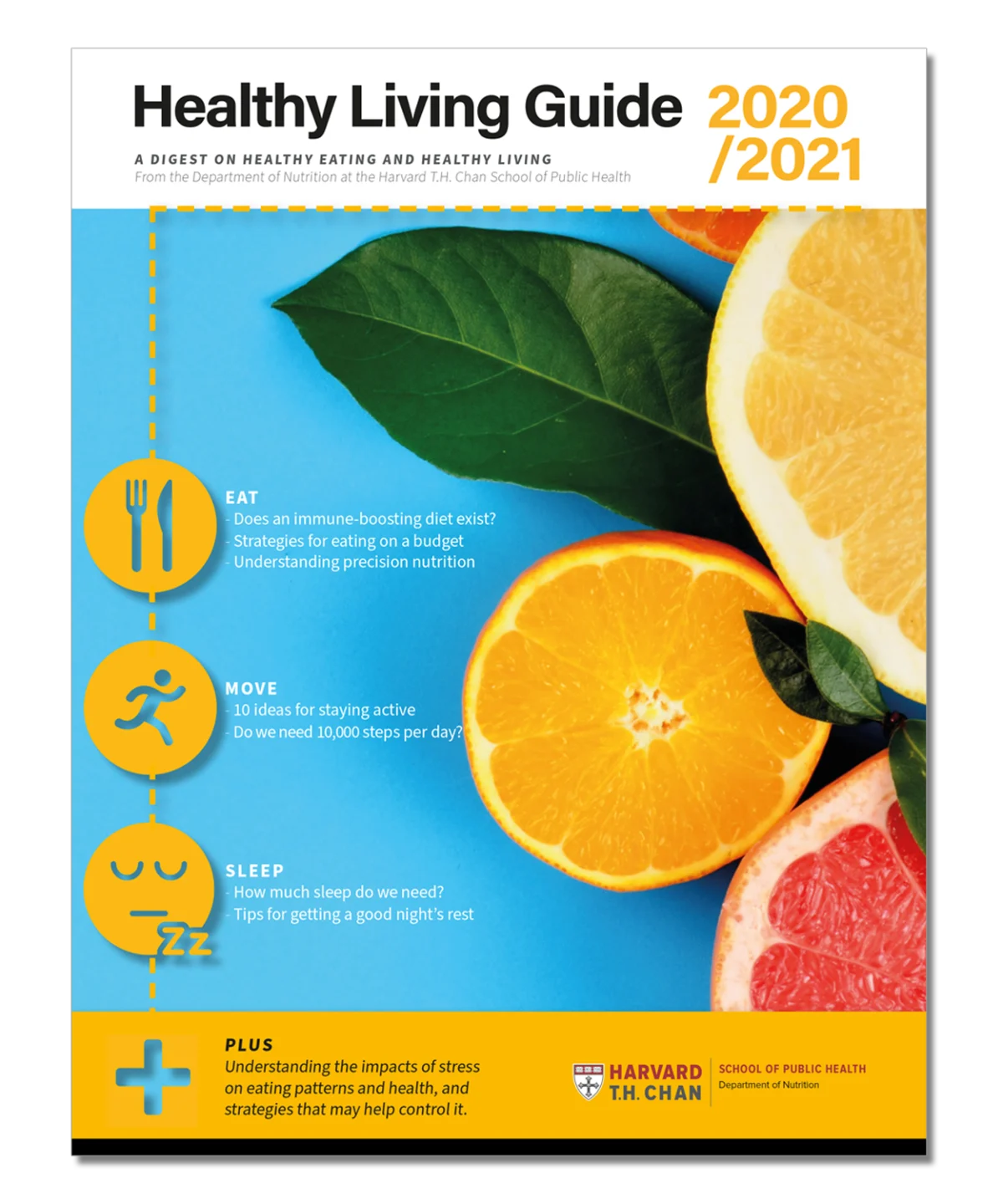
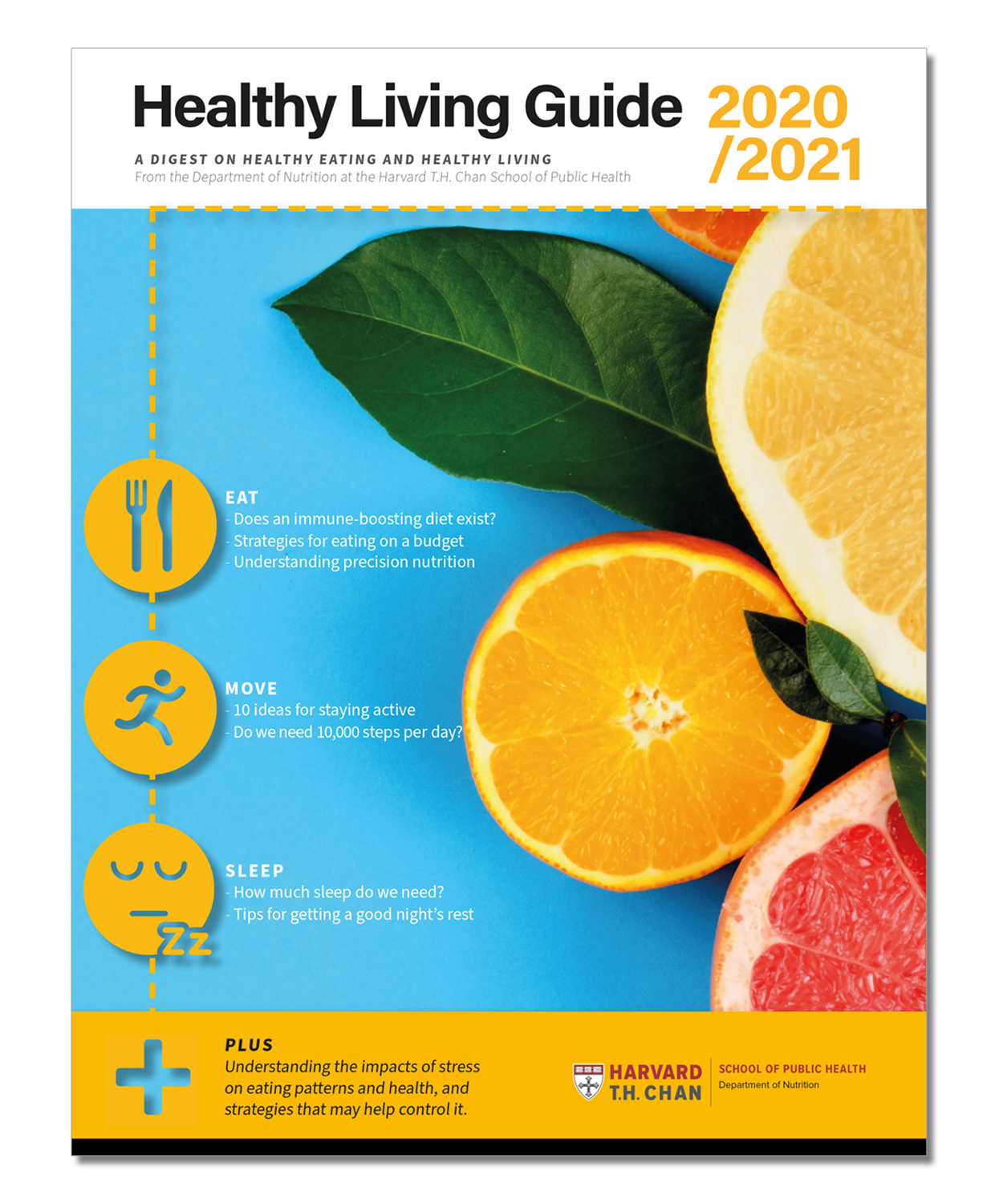
Amidst this backdrop, the Harvard T.H. Chan School of Public Health has released its Healthy Living Guide, a comprehensive resource designed to bridge the gap between complex nutritional science and practical, everyday application. While no single dietary intervention serves as a panacea against viral infection, the scientific consensus remains resolute: the fortification of the human immune system is inextricably linked to the consistent application of fundamental lifestyle habits.
Main Facts: The Pillars of Longevity
The core philosophy underpinning the Healthy Living Guide is not one of perfection, but of consistency. Research conducted by leading public health experts consistently points to five non-negotiable pillars that form the foundation of a long, disease-free life:
- Nutrient-Dense Nutrition: Prioritizing whole, plant-forward foods while minimizing processed sugars and trans fats.
- Regular Physical Activity: Engaging in consistent movement to support metabolic health and cardiovascular function.
- Weight Management: Maintaining a healthy body mass index (BMI) to reduce systemic inflammation.
- Moderate Alcohol Consumption: Limiting intake to prevent metabolic strain and chronic organ damage.
- Tobacco Cessation: Eliminating the primary cause of preventable respiratory and cardiovascular decline.
The data supporting these habits is staggering. Longitudinal studies suggest that individuals who adhere to these five pillars can expect to live more than a decade longer than those who do not. Furthermore, the "healthspan"—the number of years lived in good health, free from chronic disease—is significantly extended for those who adopt these habits by middle age.
Chronology of a Health Crisis
To understand the necessity of this guide, one must look at the timeline of the global health crisis that necessitated it.
- Early 2020: The emergence of COVID-19 disrupted global supply chains, leading to initial anxieties regarding food security and the sudden cessation of communal fitness activities, such as gym closures and team sports.
- Late 2020: The "pandemic fatigue" set in. Increased sedentary behavior and the rise of "comfort eating" were documented as coping mechanisms for the sustained psychological strain of lockdowns.
- Early 2021: As the world transitioned into a new year, public health agencies identified a critical need to provide actionable, evidence-based guidance to counter the erosion of healthy habits that occurred during the height of the crisis.
- The Present: The Healthy Living Guide represents a culmination of these findings, serving as an evergreen resource to help individuals recalibrate their lifestyles in the post-pandemic era.
Supporting Data: Why Lifestyle Trumps Quick Fixes
The Harvard T.H. Chan School of Public Health’s research does not merely suggest that healthy habits are "good"; it quantifies the impact on the human body. Studies indicate that adults who maintain these five key habits at middle age significantly reduce their lifetime risk of developing major chronic diseases, specifically:
- Type 2 Diabetes: The primary driver of metabolic syndrome and subsequent cardiovascular issues.
- Cardiovascular Disease: The leading cause of mortality globally, which is highly responsive to dietary cholesterol and exercise.
- Cancer: A wide array of malignancies have been linked to systemic inflammation caused by obesity and poor nutrition.
When these factors are managed, the human body exhibits a remarkable capacity for resilience. Even small, incremental changes—such as substituting a sugary beverage with water or adding a thirty-minute walk to a daily schedule—can yield cumulative benefits that compound over decades.
Official Responses and Expert Perspectives
Public health officials emphasize that the psychological component of healthy living is just as critical as the biological one. The Healthy Living Guide was developed with the recognition that "easier said than done" is the primary barrier for most individuals.
"During these particularly uncertain times," the guide notes, "we invite you to do what you can to maintain a healthy lifestyle." This message of radical self-compassion is a cornerstone of the current approach to public health. Experts argue that rigid, extreme dieting often leads to burnout, whereas a flexible, habit-based approach is more sustainable over a lifetime. The inclusion of tools like the "Healthy Living Bingo Challenge" serves as a testament to this philosophy: by gamifying the process of healthy eating and exercise, the guide seeks to remove the intimidation factor, making wellness feel like a rewarding hobby rather than a clinical chore.
Implications for Public Policy and Personal Health
The implications of this data extend far beyond individual decision-making. On a macro level, if a significant portion of the population were to adopt these five habits, the burden on global healthcare systems would be drastically reduced. Preventable chronic diseases consume the majority of healthcare expenditure in developed nations.
For the individual, the implications are even more profound. The goal of these lifestyle interventions is not simply to "live longer," but to "live better." The difference between a life characterized by chronic medication management and one defined by vitality and physical freedom is often found in the daily choices made in the kitchen and the movement practiced in the living room.
Practical Strategies for Implementation
The Healthy Living Guide offers several tactical approaches to achieving these goals:
1. Reclaiming the Kitchen
In an era of convenience, the guide encourages a return to basic cooking. By preparing meals at home, individuals regain control over sodium, sugar, and fat intake—the three primary culprits in processed food-related health decline. The guide suggests starting with one "new recipe" per week to slowly build culinary confidence.
2. Redefining Exercise
Exercise need not be restricted to a gym environment. In the context of a pandemic or a busy professional life, "movement" can include brisk walking, gardening, or home-based resistance training. The key is consistency over intensity.
3. Fostering Emotional Resilience
The guide acknowledges that health is a holistic endeavor. During times of stress, the tendency to abandon healthy habits is high. By integrating hobbies—whether reading, meditation, or creative pursuits—individuals can manage the stress that often leads to unhealthy behaviors like smoking or excessive alcohol consumption.
Conclusion: A Living Document
The Healthy Living Guide is designed to be a living document, evolving with the latest research while remaining grounded in the timeless principles of wellness. As we move further away from the acute phase of the pandemic, the focus remains on personal empowerment.
Whether through downloading the printable tip sheets, engaging in the bingo challenges, or simply re-evaluating one’s relationship with food and movement, the message is clear: the path to longevity is paved with small, deliberate actions. By focusing on the five pillars—nutrition, exercise, weight management, moderate alcohol intake, and smoke-free living—we are not just surviving; we are laying the groundwork for a future defined by health and vitality.
Resources:
- For further reading and to access the full printable Healthy Living Guide, please visit the Harvard T.H. Chan School of Public Health Nutrition Source website.
- The guide includes specialized tip sheets for families, individuals working from home, and those seeking to improve their metabolic health.