







BUNIA, Democratic Republic of Congo — The humanitarian mission to contain the most rapid Ebola outbreak in recorded history is teetering on the edge of total collapse. As of mid-July 2026, the Ituri province of the Democratic Republic of Congo (DRC) has become a landscape of fear, where the lethal threat of the Bundibugyo virus is now compounded by widespread civil unrest, targeted violence against medical infrastructure, and a crippling strike by the very workforce tasked with saving lives.
The crisis, which has already claimed 864 lives out of 2,181 confirmed cases, has reached a critical inflection point. With no approved vaccine or specific treatment for this rare strain of the virus, the medical response relies entirely on isolation, contact tracing, and safe, dignified burials. Yet, as authorities confirmed on Saturday, these pillars of public health are being dismantled by a toxic mix of community distrust and economic desperation.
The Anatomy of the Crisis: Main Facts
The current situation in Ituri is unprecedented in its velocity. The Bundibugyo virus, while historically less documented than its counterparts, is demonstrating a terrifying capacity for transmission in densely populated and conflict-ridden areas.
- Casualties: 2,181 confirmed cases; 864 deaths.
- The Epicenter: Ituri province remains the hardest hit, accounting for approximately 90% of all confirmed cases.
- The Primary Obstacle: A surge in mob violence targeting health facilities, coupled with a staff exodus as workers flee hostile environments.
- Financial Instability: Frontline responders, including nurses and burial teams, have initiated a strike over long-overdue salary payments, leaving treatment centers severely understaffed.
- Security Vacuum: Humanitarian agencies are retreating to the relative safety of Bunia, the provincial capital, effectively abandoning remote communities to the virus.
Chronology of a Collapsing Response
The decline of the Ebola containment strategy did not happen overnight; it is the culmination of months of friction between international aid organizations, government health officials, and local communities.
- Early 2026: Initial cases of the Bundibugyo strain are identified. Early efforts focus on standard containment protocols.
- Spring 2026: Tensions rise as the community pushes back against "safe and dignified burial" protocols, which prohibit the traditional washing and preparation of bodies—a cultural cornerstone in Congolese society.
- June 2026: The frequency of attacks on treatment centers increases. Small-scale incidents, initially dismissed as isolated, become a pattern.
- Mid-July 2026: A wave of strikes by unpaid health workers cripples the logistical chain.
- Wednesday, July 15, 2026: The town of Nyakunde becomes the site of a major assault. A mob storms a hospital and infiltrates a nearby Ebola Treatment Center (ETC), forcing patients and staff to flee for their lives.
- Saturday, July 18, 2026: Official reports confirm at least a dozen significant attacks on health infrastructure, marking a "new phase" of the outbreak.
The Human Toll: Why the Community Is Angry
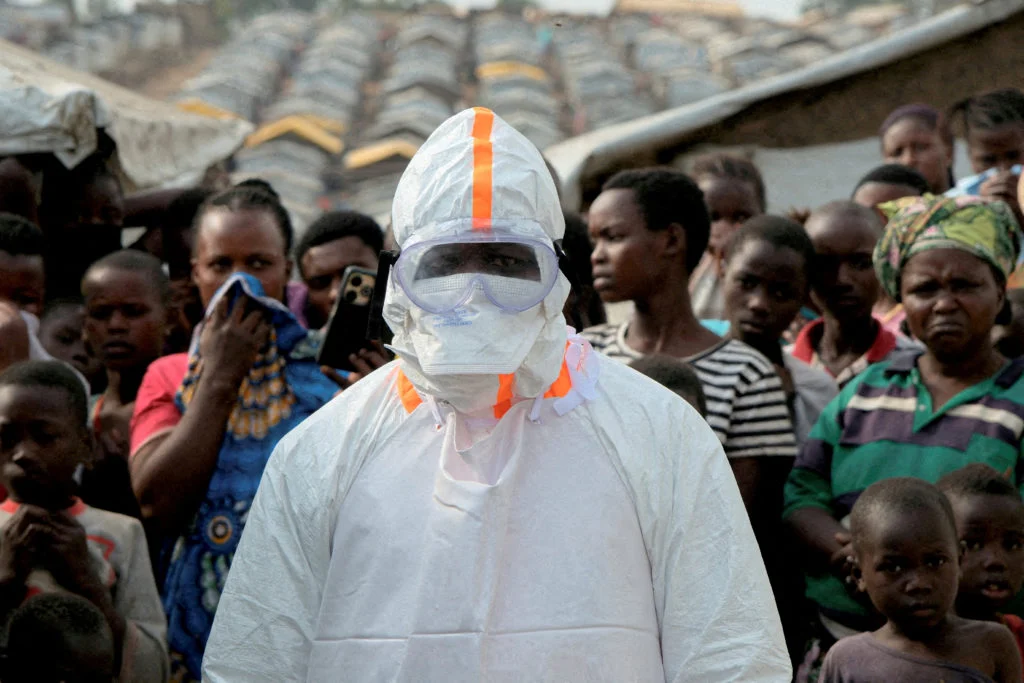
The violence is not a product of blind hatred but of profound cultural and social alienation. Ebola is a disease of contact, and the measures required to stop it—restricting funerals, isolating the sick in sterile environments, and the heavy presence of outsiders in hazmat suits—are inherently dehumanizing.
The Bundibugyo virus spreads through direct contact with infected bodily fluids—vomit, blood, or semen—and through contaminated surfaces. When local customs demand that families touch, wash, and dress their deceased loved ones, the medical mandate for "safe burials" is viewed not as a life-saving measure, but as an affront to ancestral dignity.
"We are dealing with a population that is grieving and terrified," says a local field worker who requested anonymity. "When they see a team in space suits taking their loved ones away to a place they aren’t allowed to visit, and then refusing to let them hold a proper burial, the frustration turns into rage. It is a failure of communication as much as it is a health crisis."
Official Responses and the Security Dilemma
The international community, led by the United Nations and various humanitarian non-governmental organizations (NGOs), is facing an impossible choice: continue the mission under threat of death, or pull back and allow the virus to run rampant.
Stéphane Dujarric, the U.N. spokesman, confirmed the gravity of the situation on Thursday, noting that the "worsening security situation" has forced a strategic retreat. "Humanitarian actors are deeply concerned," Dujarric stated, emphasizing that access to treatment centers and surrounding communities is now "severely constrained."
Local officials, such as Pierre Akilimali, the incident manager for the Ebola response in Bunia, have been forced to hold press briefings under the shadow of these attacks. "Members of our response teams have been held captive," Dr. Adelard Lufongola, operations manager, revealed. "Teams responsible for safe burials are threatened in cemeteries and communities. They are the most vulnerable, and they are being targeted simply for doing their jobs."
The resignation of staff is the final blow. As Christophe Munyanderu, a prominent civil society leader in Irumu, warned: "I fear that the aid workers involved in combating this Ebola outbreak are going to leave the area entirely. If they leave, the task of eradicating the outbreak becomes not just difficult, but impossible."
Implications: A Future in Flux
The implications of the current trajectory are dire.
1. The Risk of Unchecked Transmission
The attack in Nyakunde on July 15 is a microcosm of the danger. When a treatment center is stormed and patients are scattered, the virus is effectively "released" back into the general population. People who were in the early stages of the disease may have returned to their homes or traveled to neighboring villages, potentially initiating new transmission chains that will be impossible to trace.
2. The Erosion of Trust
Each attack on a medical facility deepens the divide between the state and the people. If the government and international partners cannot guarantee the safety of the clinics, the public will stop seeking treatment. This creates a "shadow epidemic" where cases go unreported and deaths occur at home, away from medical oversight, further fueling the cycle of infection.
3. Economic and Political Instability
The strike by health workers over unpaid salaries is a systemic failure of the Congolese health bureaucracy. In a region where employment is scarce, the fact that frontline workers are not being paid highlights a lack of institutional support for the response. This economic instability makes health workers more susceptible to community pressure, as they often live in the same neighborhoods as those protesting the medical teams.
4. A Medical Dead End
Perhaps most haunting is the nature of the virus itself. Without an approved vaccine or established treatment, the "toolbox" for responders is already empty. They are relying on the most basic of public health interventions. If the clinics—the only places where even basic supportive care can be provided—are destroyed, the mortality rate is likely to climb sharply.
Conclusion
As of late July 2026, the situation in Ituri is a stark reminder that public health in a conflict zone is inseparable from security and social equity. The Ebola response in Congo is currently fighting a war on three fronts: against a biological pathogen, against an institutional failure of payroll and support, and against a community that feels abandoned by those who claim to be their protectors.
Unless there is a fundamental shift—one that involves local communities in the design of the response and guarantees the safety of the responders—the "fastest-growing outbreak on record" may soon become one of the most devastating. The world watches, but in the remote forests and villages of Ituri, the residents are waiting for something more tangible than international concern: they are waiting for a path back to stability, safety, and health.