











In the modern age, where technology promises to optimize every facet of human existence, a new frontier has emerged: the quest to "hack" the aging process. At the forefront of this movement is tech entrepreneur Bryan Johnson, a billionaire whose pursuit of biological immortality—famously chronicled in the Netflix documentary Don’t Die—has catapulted the concept of "biological age" (or "bio age") into the mainstream consciousness.
Johnson’s regimen, which involves millions of dollars in annual spending on everything from high-tech hyperbaric oxygen therapy and collagen-boosting injections to controversial plasma infusions, represents the extreme end of a growing trend. For many, the question is no longer whether we can measure aging, but whether we should. As bio age testing kits proliferate on the consumer market, they promise to unlock the secrets of our cellular health. But are these tests revolutionary tools for longevity, or are they expensive parlor tricks?
The Main Facts: Defining Biological Age
To understand the current obsession, one must distinguish between chronological age—the number of candles on your birthday cake—and biological age. Biological age is a measure of how your cells are functioning. It is a snapshot of your physiological "mileage," influenced by genetics, environmental stressors, lifestyle habits, and nutritional intake.
Consider a simple comparison: Two 50-year-old men. The first, "Chang," leads a sedentary, high-stress lifestyle, resides in a high-pollution urban environment, and consumes a diet high in processed foods. The second, "Jabari," maintains a consistent exercise routine, lives in a clean environment, and adheres to a nutrient-dense diet. While their chronological age is identical, their biological age could differ by a decade or more. Bio age testing aims to quantify this gap.
A Chronology of the Anti-Aging Movement
The movement toward objective longevity measurement has evolved through several distinct phases:
- The Foundational Era: Researchers began by looking at basic clinical markers—blood pressure, cholesterol, and blood glucose—as proxies for health span.
- The Genomic Shift: With the advent of the "Horvath Clock" and other DNA methylation studies, scientists moved beyond surface-level health to look at the chemical "tagging" of DNA, which correlates strongly with the aging process.
- The Consumer Explosion: Within the last five years, these high-level scientific concepts have been commoditized. Companies now offer mail-order kits that analyze blood, saliva, or urine, promising to calculate an individual’s "pace of aging."
- The Celebrity Catalyst: The current era, characterized by figures like Bryan Johnson, has brought the practice to social media feeds and major podcasts, normalizing the idea that one can "reverse" their biological age through rigorous, data-driven intervention.
Supporting Data: How We Measure the Invisible
Modern testing relies on biomarkers—measurable indicators of biological state. The most prominent methods include:
DNA Methylation (The "Epigenetic Clock")
This process involves chemical alterations to DNA that do not change the genetic code itself but do change how genes are expressed. As we age, these methylation patterns shift in predictable ways. Tests like the DunedinPACE analyze these patterns to estimate the speed at which your body is aging.
Telomere Analysis
Telomeres are the protective caps at the end of our chromosomes. Think of them like the plastic tips on shoelaces; as cells divide over time, these tips wear down. While short telomeres are a marker of cellular age, their application as a precise diagnostic tool for the average healthy person remains a subject of intense scientific debate.
VO2 Max: The Fitness Gold Standard
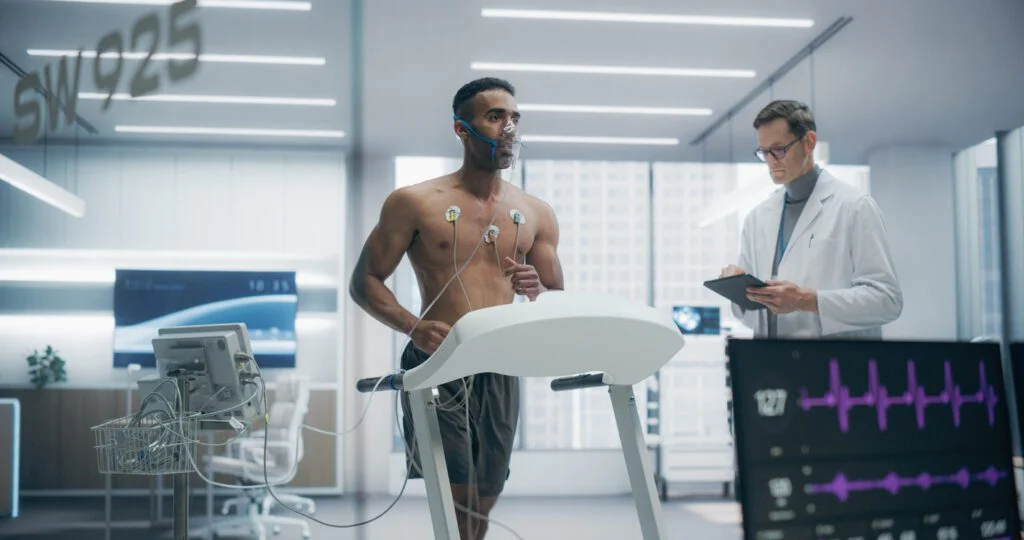
Beyond cellular markers, VO2 max—the measurement of how much oxygen your body can utilize during intense exercise—remains one of the most reliable predictors of longevity. Studies show that individuals with high VO2 max levels in middle age live, on average, five years longer than their sedentary peers.
Official Responses and Scientific Skepticism
The medical community is divided. While proponents argue that tracking these markers allows for proactive health management, critics—including investigative journalists from The New York Times—have raised alarms.
The Times report, which scrutinized Johnson’s claims, suggested that his biological markers may not be as favorable as he suggests, noting that his "age reversal" data may be interpreted differently depending on the specific testing methodology used. The scientific consensus is currently cautious: Biological age is not a monolith. An individual’s heart may be aging at a different rate than their liver or brain. Consequently, a single test score can be misleading if it is treated as a definitive health verdict rather than a data point.
Implications: Should You Test?
For the average individual, the implications of bio age testing are profound. Before purchasing a kit, consider the following:
1. The Trap of Data Without Action
Information is only as valuable as the action it inspires. If you discover your biological age is five years older than your chronological age, but you fail to change your diet, exercise, or sleep habits, the test is effectively useless. It is the "spinach in the teeth" analogy: the mirror (the test) tells you something is wrong, but it doesn’t remove the spinach.
2. The "Evergreen" Superiority
It is vital to recognize that no supplement, injection, or expensive test can replace "Evergreen" health habits. The most effective longevity strategies remain consistent:
- Strength Training: Essential for metabolic health and bone density.
- Cardiovascular Conditioning: Essential for heart and lung health.
- Sleep Hygiene: The primary window for cellular repair and hormonal regulation.
- Stress Management: Chronic cortisol elevation is a primary driver of accelerated biological aging.
3. The Risk of the "Hard Sell"
Beware of companies that pair test results with a mandatory, proprietary supplement protocol. True longevity science is rarely about a single pill; it is about holistic lifestyle management. If a company is selling you a "cure" for aging, you are likely being marketed to, not medically advised.
Conclusion: Data as a Compass, Not a Map
Should you or your client sign up for bio age testing? The answer depends on your motivation. If you use these tests to establish a baseline and then measure the efficacy of legitimate lifestyle changes (such as improved sleep, increased protein intake, or better exercise consistency), they can be an excellent tool for motivation.
However, if you are looking for a shortcut or a quick fix to bypass the hard work of daily health maintenance, these tests will likely leave you disappointed—and poorer.
Ultimately, the goal of longevity is not to achieve the lowest possible number on a test; it is to maximize the quality of the years you have. By focusing on the "big rocks"—nutrition, movement, rest, and stress reduction—you can ensure that your biological clock works for you, rather than against you. As with any medical decision, your primary resource should be a trusted healthcare professional who understands your unique medical history, not an anonymous, profit-seeking algorithm on the internet.
Reference Checklist for Proactive Health
If you are serious about tracking your health, focus on these scientifically validated, often free or low-cost metrics before turning to high-tech kits:
- The Sitting-Rising Test (SRT): A measure of strength and balance.
- Grip Strength: A surprisingly powerful indicator of long-term muscle health.
- One-Foot Balance Test: A proxy for systemic nervous system and motor health.
- Fatigability Scale: Monitoring your energy levels is one of the most honest assessments of your internal health.
- Body Composition: Focus on muscle-to-fat ratios rather than total body weight.
By mastering these fundamental pillars, you are already ahead of the curve. The data is waiting—but it is up to you to put it to work.