






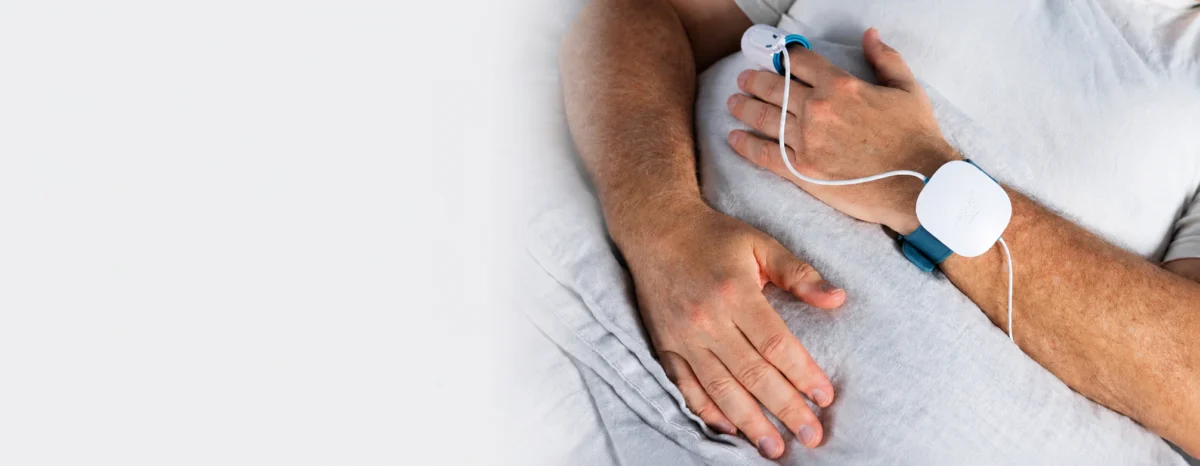
For millions of adults suffering from obstructive sleep apnea (OSA), the path to a restful night’s sleep has long been defined by the hum of a continuous positive airway pressure (CPAP) machine. However, recent medical advancements in the field of endocrinology have shifted the conversation. The rise of glucagon-like peptide-1 receptor agonists (GLP-1s)—medications primarily known for managing type 2 diabetes and promoting weight loss—has introduced a new potential therapeutic avenue for those struggling with the physiological burdens of OSA.
As the medical community continues to explore the link between weight management and airway health, patients are increasingly asking: Can medications like Ozempic or Zepbound be the key to alleviating sleep apnea?
Main Facts: Understanding the Link Between Weight and Airway Health
Obstructive sleep apnea occurs when the muscles in the back of the throat fail to keep the airway open during sleep. This leads to repeated breathing pauses, often lasting between 10 and 30 seconds, which fragment sleep and deprive the body of essential oxygen.
The correlation between body weight and OSA is profound. Data indicates that approximately 31% of individuals with OSA live with obesity, and 44% are classified as overweight. Extra tissue around the neck can mechanically crowd the airway, making it significantly more likely to collapse during the relaxation phase of sleep.
GLP-1 receptor agonists work by mimicking hormones that regulate appetite and blood sugar. By facilitating substantial weight loss, these drugs directly address the structural cause of many OSA cases. Research confirms that a reduction in body mass index (BMI) and waist circumference can lead to a direct improvement in the apnea-hypopnea index (AHI), a primary metric used to measure the severity of sleep apnea.
Chronology of Medical Innovation and Approval
The journey of GLP-1s from diabetes management to potential sleep apnea treatment has been rapid and transformative:
- Initial Discovery: GLP-1s were originally engineered to stimulate insulin secretion in patients with type 2 diabetes. Clinicians quickly noted that patients were experiencing significant, unintentional weight loss as a secondary effect.
- The Weight Loss Pivot: Following the success of semaglutide (Wegovy) and liraglutide (Saxenda), the medical community began investigating these drugs for obesity management.
- The 2024 Breakthrough: The landscape shifted significantly in 2024 when the U.S. Food and Drug Administration (FDA) granted approval for tirzepatide (Zepbound) specifically for the treatment of moderate-to-severe OSA in adults with obesity. This approval was a watershed moment, validated by clinical trials showing that patients using the medication saw a marked reduction in their AHI scores.
- Current Status: While Zepbound has received formal recognition for its role in treating OSA, other drugs like Ozempic (semaglutide) remain FDA-approved exclusively for type 2 diabetes, leaving their use for OSA in the realm of "off-label" prescribing.
Supporting Data: Why Weight Loss Matters for Respiration
The relationship between metabolic health and breathing is supported by rigorous clinical data. One systematic review found that a 20% decrease in BMI resulted in a 57% reduction in sleep apnea symptoms. This highlights that for many patients, the condition is not purely anatomical but metabolic.
Further comparative studies have shown that not all GLP-1s are created equal. Tirzepatide (Zepbound), for instance, has demonstrated superior efficacy in improving OSA symptoms compared to older-generation drugs like liraglutide (Saxenda). Beyond the airway itself, clinical trials show that tirzepatide effectively targets comorbid issues that plague OSA patients, including excessive daytime sleepiness and elevated blood pressure. By mitigating these secondary symptoms, GLP-1s provide a holistic improvement in quality of life that extends beyond the bedroom.
Navigating Insurance Coverage and Financial Hurdles
One of the most pressing concerns for patients is the cost of treatment. Without insurance, monthly out-of-pocket costs for these medications can exceed several hundred dollars, often reaching upwards of $500 for Ozempic alone.
The "Off-Label" Challenge
Because Ozempic is not FDA-approved for sleep apnea, most insurance providers will not cover it specifically for that diagnosis. However, if a patient has a comorbid condition—such as type 2 diabetes or hypertension—insurance may approve the drug for that specific indication, with the improvement of sleep apnea serving as a welcome "added benefit."
The Zepbound Shift
With the recent FDA approval of Zepbound for OSA, the insurance landscape is evolving. Many insurers are now adding Zepbound to their formularies. However, this coverage usually comes with strict "prior authorization" requirements. Patients should be prepared to provide:
- Documentation of BMI: Proof that the patient meets the clinical criteria for obesity.
- CPAP Failure: Documentation that the patient has attempted, but failed or was unable to tolerate, traditional CPAP therapy.
- Structured Weight Loss: Evidence of prior participation in medically supervised weight loss programs.
How to Advocate for Yourself
If an initial claim is denied, the battle is not over. Patients have the right to file an internal appeal. A provider can draft a letter of medical necessity, detailing why a GLP-1 is essential for the patient’s overall health. If an internal appeal fails, many plans allow for an external, third-party review, which can provide an impartial look at the medical evidence supporting the treatment.
Implications for Future Treatment Paradigms
The integration of weight-loss pharmacology into sleep medicine represents a paradigm shift. Historically, sleep apnea treatment was reactive—treating the airway blockage with air pressure. Now, treatment is becoming proactive—treating the underlying metabolic drivers of the blockage.
The Role of Lifestyle Intervention
While medication offers a powerful tool, it is not a "magic bullet." Medical experts emphasize that the most sustainable outcomes occur when GLP-1s are paired with lifestyle modifications.
- Caloric Deficit: Creating a sustainable deficit remains the cornerstone of weight management.
- Physical Activity: The Department of Health and Human Services recommends 150 to 300 minutes of moderate-intensity exercise per week. Resistance training is particularly effective, as building muscle mass increases the metabolic rate, which can assist in maintaining the weight loss achieved through medication.
- Dietary Adjustments: Reducing intake of alcohol and sugary beverages can significantly reduce inflammation and improve sleep quality, further easing the burden on the respiratory system.
The Future of Personalized Medicine
As more drugs enter the market and data matures, the future of OSA treatment will likely involve a "combination approach." Instead of choosing between a CPAP machine or medication, patients may soon use both in tandem: the CPAP providing immediate relief for airway obstruction, and the GLP-1 providing the long-term metabolic correction necessary to potentially reduce or eliminate the need for the device over time.
Frequently Asked Questions
Does Medicare cover GLP-1s for sleep apnea?
Medicare coverage for these drugs remains limited. While Ozempic is generally not covered for OSA, some plans are beginning to provide coverage for Zepbound under specific conditions. Patients are typically expected to pay a portion of the cost, often around $50 per month, though this varies by plan.
What should I do if my insurance denies coverage?
Start by contacting your insurance provider to request the specific criteria for a "formulary exception." Work with your primary care physician to document your medical history, any failures with CPAP therapy, and any other comorbid health conditions that justify the need for medication.
How long can I expect to stay on these medications?
Coverage and treatment duration depend on the individual’s health history and insurance policy. Initial authorizations are often granted for six months, with renewals contingent upon proof of weight loss progress and documented improvements in overall health markers.
Is it safe to stop taking these medications?
Stopping GLP-1s should only be done under the direct supervision of a healthcare provider. Because these medications address chronic conditions, stopping them can lead to weight regain and the recurrence of sleep apnea symptoms.
Disclaimer: The content provided in this article is for informational purposes only and does not constitute medical advice, diagnosis, or treatment. Always seek the advice of your physician or other qualified health provider with any questions you may have regarding a medical condition or new medication.