25 September 2026 — As the world marks World Lung Day 2026, a collective, urgent message is echoing through the halls of medicine and public policy: the health of our lungs is not merely a medical concern for the elderly or the ill—it is a lifelong journey that begins before birth and requires vigilant stewardship until our final breath.
Led by the Forum of International Respiratory Societies (FIRS), a powerful coalition representing over 100,000 respiratory health professionals across nine leading global organizations, this year’s campaign, "A Lifetime of Lung Health," aims to shift the narrative from reactive treatment to proactive, lifelong preservation.
The Core Mandate: Why Lung Health Cannot Wait
The lungs are the most exposed internal organs in the human body, constantly interfacing with the external environment. Every minute, we inhale approximately six to ten liters of air, carrying with it a cocktail of oxygen, particulates, allergens, and potential pathogens. FIRS asserts that because of this constant interaction, our respiratory health is inextricably linked to the air we breathe, the environments we inhabit, and the societal structures that govern our access to healthcare.
"Lung health begins in utero," states the FIRS manifesto for 2026. "The rapid development of the respiratory system in the early years sets the trajectory for an individual’s future capacity. To ignore the environmental, behavioral, and occupational factors that shape this development is to ignore the foundational health of our global population."
The urgency of this year’s theme stems from the alarming global burden of respiratory diseases. Chronic obstructive pulmonary disease (COPD), asthma, pneumonia, lung cancer, and tuberculosis continue to rank among the leading causes of death and disability worldwide. FIRS emphasizes that a significant portion of these conditions is preventable, provided that societies move away from the "siloed" approach of treating diseases only once they manifest.
Chronology of a Crisis: The Evolution of Respiratory Health Advocacy
To understand the necessity of this year’s campaign, one must look at the historical trajectory of respiratory health initiatives:
- Pre-2010s: Respiratory health was largely viewed through the lens of specific diseases. Advocacy was fragmented, with asthma groups, anti-smoking campaigns, and tuberculosis eradication efforts operating in isolation.
- 2017: The inaugural World Lung Day was established, providing a unified platform to advocate for lung health. This marked the first time the global community synchronized its messaging to highlight the collective burden of respiratory diseases.
- 2020–2022: The COVID-19 pandemic served as a brutal, global reminder of the fragility of the human respiratory system. It underscored the critical link between baseline lung health and resilience against infectious outbreaks.
- 2024: FIRS expanded its focus to include the "exposome"—the totality of environmental exposures—recognizing that climate change, air pollution, and rapid urbanization are creating new, unprecedented threats to respiratory health.
- 2026 (Current): The "Lifetime of Lung Health" campaign represents the maturity of this advocacy, moving beyond reactive awareness to a holistic, chronological approach that spans the human life course.
Supporting Data: The Global Burden of Respiratory Disease
The data underpinning the FIRS initiative is sobering. According to recent health statistics, respiratory diseases account for a massive percentage of global mortality:
- COPD and Mortality: Chronic obstructive pulmonary disease remains a leading cause of death globally. Despite being largely preventable through the cessation of tobacco and biomass fuel exposure, it continues to claim millions of lives annually, often striking individuals in their most productive years.
- Childhood Vulnerability: An estimated 300 million people suffer from asthma worldwide, with a high concentration of undiagnosed cases in low-to-middle-income countries. Air pollution in urban centers has been linked to stunted lung growth in children, a deficit that can lead to permanent respiratory compromise in adulthood.
- The Economic Toll: The cost of respiratory disease is not just measured in lives, but in economic output. Lost productivity, healthcare expenditure, and the burden on caregivers create a ripple effect that destabilizes economies, particularly in developing nations where healthcare infrastructure is already strained.
- The Aging Factor: As global life expectancy increases, so too does the prevalence of age-related respiratory decline. "Healthy Lung Ageing" is now a primary pillar of geriatric medicine, as the natural loss of lung elasticity is exacerbated by a lifetime of cumulative environmental insults.
Four Pillars of the 2026 Campaign
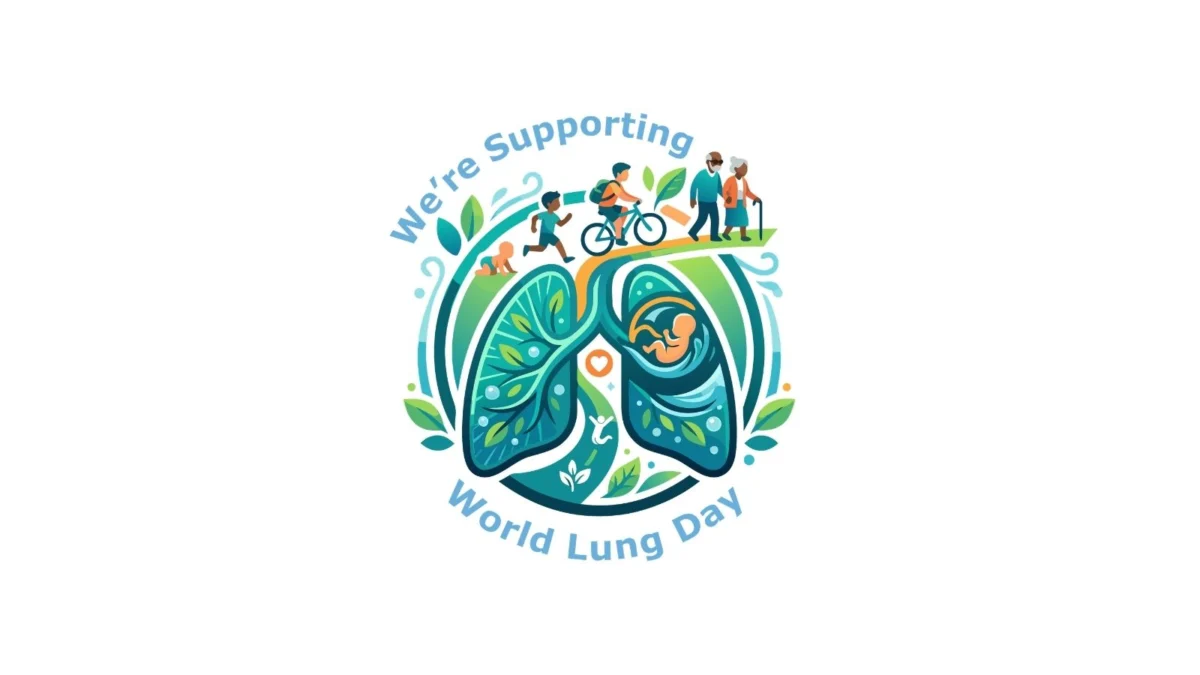
To facilitate actionable change, FIRS has broken down the "Lifetime of Lung Health" into four interconnected domains. These pillars serve as a roadmap for governments, clinicians, and individuals alike.
1. Healthy Lung Development
The foundation is set in the prenatal stage and early childhood. FIRS calls for strict prenatal health standards, reduction of air pollution exposure for pregnant women, and policies that prevent childhood exposure to second-hand smoke and domestic air pollution (such as smoke from open fires used for cooking).
2. Healthy Lung Growth
During the adolescent years, the lungs reach their peak functional capacity. Protecting this growth means curbing the rise of nicotine use, including vaping, which poses new, long-term risks to developing lung tissue. It also involves promoting physical activity and ensuring nutrition supports organ development.
3. Healthy Lungs throughout Life
This pillar focuses on the maintenance of health. It encompasses the fight against occupational hazards—such as silica dust, asbestos, and chemical vapors—as well as universal access to vaccinations and early diagnostic screenings. Prevention is the key here; diagnosing a respiratory issue in its nascent stages is infinitely more effective than treating end-stage disease.
4. Healthy Lung Ageing
As the body ages, the immune system weakens, and the lungs become more susceptible to infections like pneumonia and influenza. Healthy aging requires a dedicated focus on the respiratory health of seniors, including regular monitoring of lung function and ensuring that elderly patients are not dismissed for having "age-related" symptoms that are actually treatable conditions.
Official Responses and Strategic Implications
The implications of the FIRS 2026 campaign reach far beyond the doctor’s office. FIRS argues that lung health is a multi-sectoral responsibility.
"The medical community cannot cure the world’s lungs alone," says a spokesperson for the FIRS executive board. "We need urban planners who prioritize clean air, legislators who enforce tobacco control, and educators who teach the next generation about the importance of breathing clean air. The ‘Lifetime of Lung Health’ is a social contract."
Government Responsibility
Governments are being urged to integrate respiratory health into national health agendas. This includes investing in air quality monitoring, subsidizing clean energy for household heating and cooking, and implementing rigorous workplace safety regulations.
Community and Individual Action
Communities are encouraged to create "green zones"—areas with low traffic and high air quality. For individuals, the message is clear: smoking cessation remains the single most impactful action for lung health, followed by maintaining physical fitness and seeking medical advice immediately upon the onset of persistent respiratory symptoms.
Conclusion: A Vision for the Future
As World Lung Day 2026 concludes, the challenge laid out by FIRS is clear: we must stop treating the lungs as passive, invincible organs and start treating them as the vital, vulnerable systems they are. By acknowledging that every choice made at every stage of life—from the air a mother breathes during pregnancy to the protection of an elderly worker from industrial pollutants—we can alter the trajectory of global respiratory health.
The goal is a future where "A Lifetime of Lung Health" is not just a campaign slogan, but a reality for every child born today. The tools are available, the science is robust, and the path forward is illuminated. Now, the global respiratory community waits to see if the world will breathe in this message and act.