







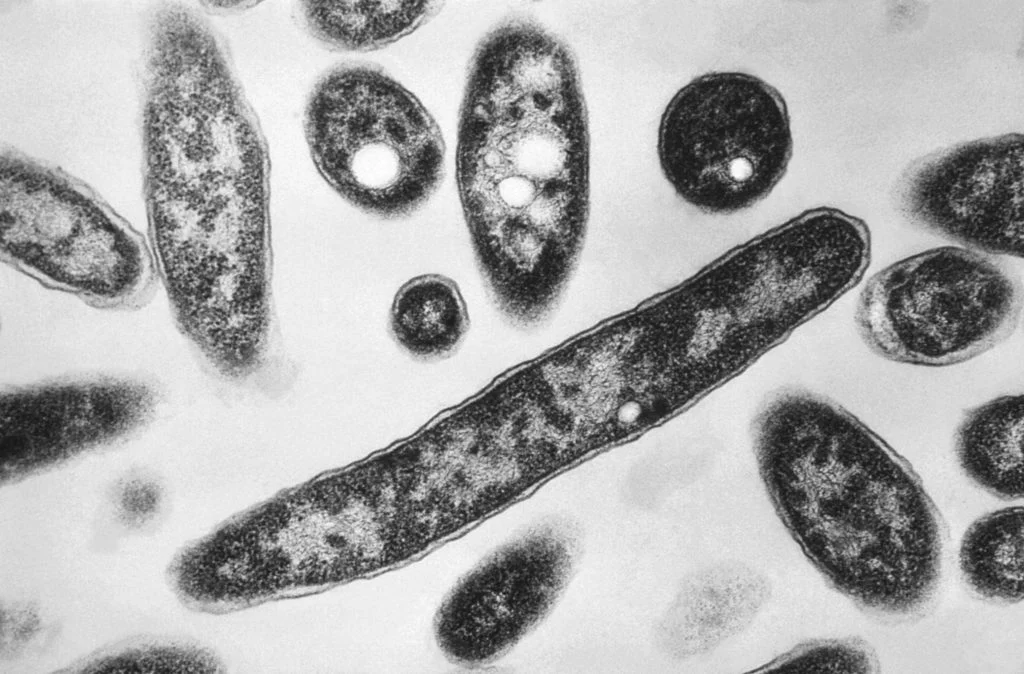
NEW YORK — The New York City Department of Health and Mental Hygiene confirmed a somber milestone this weekend as a second individual succumbed to an ongoing outbreak of Legionnaires’ disease centered in Manhattan’s affluent Upper East Side. The announcement comes as municipal health officials scramble to contain the bacterial spread that has now impacted 72 residents, prompting a city-wide review of building maintenance protocols and public safety measures.
The surge in cases, which has gripped the neighborhood over the past few weeks, highlights the persistent environmental risks posed by aging urban infrastructure. While officials indicate that the rate of new infections is beginning to plateau—a sign that the primary contamination sources may have been neutralized—the loss of two lives has renewed calls for stricter oversight of the cooling towers that dominate the city’s skyline.
The Chronology of the Outbreak
The current health emergency began with a localized cluster of respiratory illnesses reported to city health officials in late summer. As clinicians in Upper East Side hospitals noted an uptick in severe pneumonia-like symptoms, the Health Department launched an epidemiological investigation.
- Initial Detection: Health officials identified a statistical anomaly in reported pneumonia cases within the Upper East Side ZIP codes. By cross-referencing patient travel history and environmental exposure, investigators traced the common denominator to the vicinity of cooling towers.
- The First Fatality: The situation escalated on Friday when the city officially reported the first death linked to the outbreak. The news sent shockwaves through the community, prompting immediate outreach to vulnerable populations, particularly the elderly and immunocompromised.
- The Second Fatality: By Saturday, the Health Department confirmed a second death. Dr. Alister F. Martin, the New York City Health Commissioner, expressed the department’s collective grief, stating, "We are heartbroken to learn that another New Yorker has lost their life to Legionnaires’ disease on the Upper East Side. Our deepest condolences are with their loved ones as they grieve."
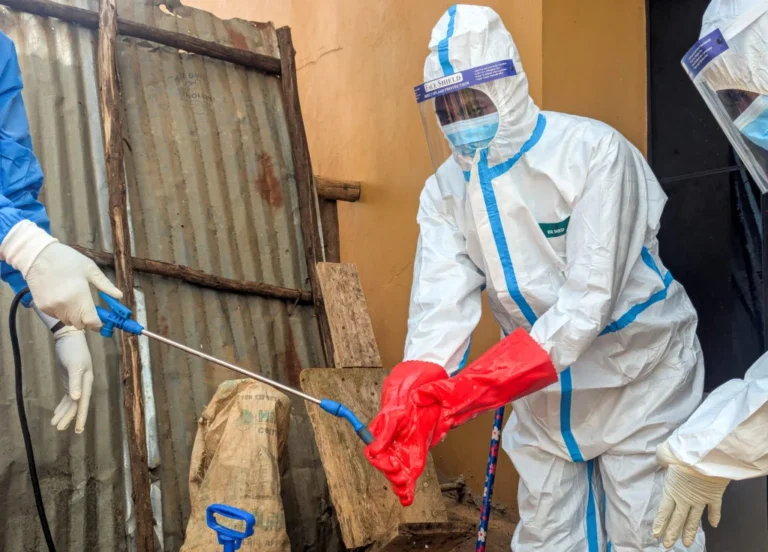
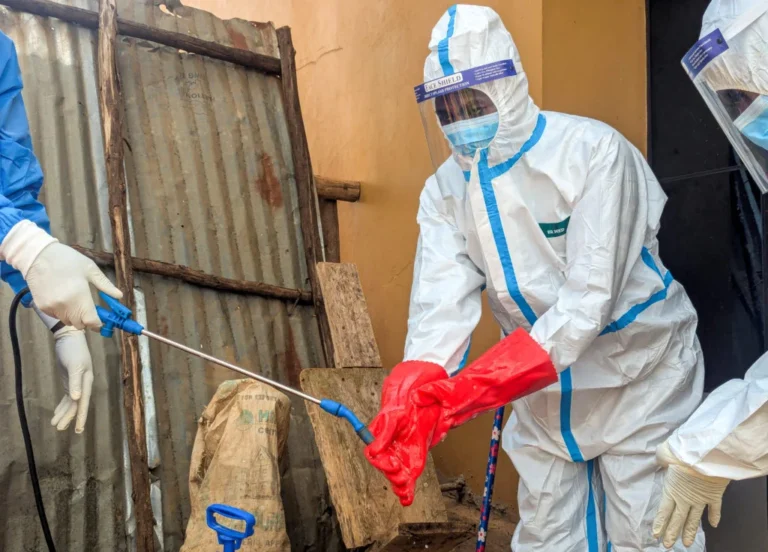
- Containment Efforts: Throughout the weekend, health inspectors worked in tandem with building management firms to audit the mechanical systems of high-profile structures, including the Solomon R. Guggenheim Museum. Following positive test results for Legionella bacteria in several cooling towers, building owners were issued emergency orders to drain, scrub, and chemically disinfect these systems immediately.
Understanding Legionnaires’ Disease: The Invisible Threat
Legionnaires’ disease is a severe, often lethal form of pneumonia caused by Legionella bacteria. Unlike many other waterborne illnesses, it is not transmitted from person to person. Instead, it is contracted when individuals inhale mist or vapor droplets contaminated with the bacteria.
How the Bacteria Thrives
The bacteria typically flourish in warm, stagnant water—the exact conditions found in the cooling towers of large-scale air conditioning systems. These towers operate by pulling in large volumes of outside air to cool water, which is then evaporated. If these towers are not meticulously maintained, the water can become a breeding ground for Legionella.
Clinical Impact
According to data from the U.S. Centers for Disease Control and Prevention (CDC), while the disease is treatable with appropriate antibiotics, it carries a significant mortality rate. Roughly 10% of those who contract the illness will die, often due to respiratory failure or systemic complications. Symptoms often mirror the flu or common pneumonia: high fever, chills, cough, muscle aches, and, in severe cases, cognitive impairment or gastrointestinal distress.
Supporting Data and Historical Context
This is not the first time New York City has faced a significant Legionella event. The city has experienced several high-profile outbreaks in recent years, leading to a tightening of local regulations regarding cooling tower maintenance.
The Harlem Precedent
Just last year, a separate outbreak in the Harlem neighborhood resulted in seven fatalities and more than 100 confirmed infections. That event served as a sobering reminder of the volatility of urban air quality and the necessity of strict regulatory compliance. The recurring nature of these outbreaks has led to a permanent, mandatory registry for cooling towers in New York City, requiring annual certification of inspection and maintenance.
Current Statistics
The current Upper East Side cluster, with 72 confirmed cases, remains under intense surveillance. While the Health Department has not pinpointed a single "patient zero" or a definitive singular source for the entire cluster, the sustained decline in new daily cases is being interpreted as a positive indicator. Officials believe that the specific cooling towers responsible for the bulk of the aerosolized bacteria have been identified and remediated.
Official Responses and Regulatory Implications
The response to the crisis has been multi-faceted, involving the Health Department, building owners, and environmental engineering firms.
The Commissioner’s Stance
Dr. Alister F. Martin has emphasized that the city’s primary objective remains public safety and rapid communication. The Health Department has been conducting daily briefings to keep the public informed while simultaneously coordinating with hospital networks to ensure that physicians are screening for Legionella early, especially in patients presenting with atypical pneumonia.
Regulatory Pressure
The city’s mandate for property owners is clear: if a building’s cooling tower tests positive, it must be taken offline, drained, and subjected to a rigorous disinfection process. Failure to comply can result in heavy fines and legal action. This proactive approach is intended to stop the aerosolization of the bacteria before it reaches the street level.
The Role of Public Facilities
The inclusion of high-traffic sites like the Guggenheim Museum in the list of buildings that tested positive has raised concerns about public transit and foot traffic. However, health officials stress that the risk is localized to the immediate area of the cooling tower’s exhaust and that visitors to these institutions are not necessarily at higher risk than the general public in that neighborhood.
Looking Forward: A Call for Vigilance
As the city navigates the aftermath of this outbreak, the focus is shifting toward long-term prevention. The intersection of climate change and urban infrastructure is increasingly viewed as a contributing factor; warmer, more humid summers create ideal conditions for bacterial growth, meaning that older building systems may need more frequent disinfection than current regulations require.
Public Awareness and Advocacy
Public health advocates are calling for increased transparency regarding building inspections. While the city maintains a registry, there are demands for a public-facing dashboard that would allow residents to see the maintenance history of buildings in their neighborhood.
"The health of the city depends on the health of our buildings," noted one urban planning expert. "We have moved beyond the point where simple annual maintenance is sufficient. We need real-time monitoring and a more aggressive stance on upgrading the mechanical infrastructure of our aging city."
A Final Note to Residents
Health officials continue to urge any resident of the Upper East Side who develops symptoms of severe respiratory illness—particularly those who are 50 or older or who have underlying health conditions—to seek medical attention immediately. Early intervention with antibiotics is the most effective way to prevent the disease from becoming fatal.
As the city transitions into the cooler months, the risk of Legionella proliferation is expected to diminish naturally. However, the legacy of this outbreak will likely trigger a new wave of legislative proposals in the City Council, aimed at ensuring that the tragedy of these two deaths is not repeated. For now, the city remains on high alert, with health teams continuing to monitor for any late-breaking cases while the community begins the slow process of moving past the crisis.