









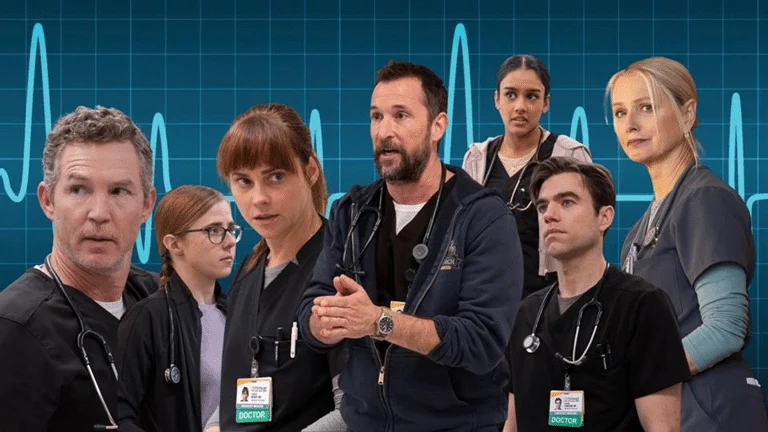
If you have yet to immerse yourself in the high-stakes, adrenaline-fueled world of HBO Max’s The Pitt, you are missing what is arguably the most unflinching examination of the American medical system currently on television. While many medical dramas rely on the trope of the "hero doctor" solving unsolvable mysteries, The Pitt—particularly through its gut-wrenching second season—shifts the lens toward the systemic exhaustion of a Pittsburgh emergency department.
As the series chronicles a single, brutal shift, it strips away the polish of traditional hospital procedurals. It does not just show the "clamshell" thoracic surgeries or the frantic pace of the trauma bay; it exposes the structural cracks in how we care for our most vulnerable population: older adults. For those of us focused on the aging landscape, the show is less of a drama and more of a mirror reflecting the silent crises occurring in waiting rooms across the nation.
The Reality of Caregiver Burden: A Chronic Crisis
One of the most poignant through-lines in The Pitt is its recurring focus on the invisible labor of caregiving. In the series, we see the adult daughter teetering on the edge of a nervous breakdown while managing her mother’s worsening needs, and the husband attempting to anchor his family amidst the terminal diagnosis of his wife.
The Fiction vs. The Fact
In a standout moment from Season 1, a daughter—stretched to her absolute limit by the demands of her aging mother—goes missing, only to be found asleep in her car. She isn’t a "filler" character; she is a representation of the 63 million Americans currently acting as unpaid caregivers.
According to data from the Caregiver Action Network, one in five of these caregivers is simultaneously balancing a full-time job. The psychological and physical toll is immense, manifesting in higher rates of depression, anxiety, and the neglect of one’s own chronic health conditions. The Pitt captures this not as a momentary subplot, but as a grinding, daily reality that pushes families to their breaking point.
The Geriatrician Shortage: A Looming Demographic Cliff
Perhaps the most biting piece of dialogue in the show occurs when a physician, Dr. Mohan, is steered toward a geriatrics fellowship. The suggestion is delivered as a professional slight—a backhanded compliment implying that geriatric care is a "slow" or "easy" path for a doctor looking to coast.
This moment of dramatic tension serves as a sharp indictment of a medical culture that undervalues the complexities of aging.
The Math of an Aging Nation
The reality behind this fictional insult is staggering:
- The Demographic Shift: By 2030, the United States will hit a milestone where every single baby boomer will be 65 or older. This demographic represents one in five Americans.
- The Provider Gap: Currently, the U.S. has only about 7,000 board-certified geriatricians. To put that in perspective, there are over 60,000 pediatricians in the country.
- The Projected Failure: The U.S. Department of Health and Human Services has projected a shortfall of nearly 27,000 geriatric providers—a crisis point that is effectively already here.
Despite this, only one in ten medical schools in the U.S. requires a clinical rotation in geriatrics. We are preparing doctors for the beginning of life while ignoring the medical necessities of its final, most complex chapters.
Overwhelmed Systems: The Burnout Epidemic
The Pitt excels at visual storytelling, frequently showing a perpetually crowded waiting room and doctors forced to sacrifice thorough charting just to keep the facility from collapsing. When Dr. Langdon admits to seeing 16 patients in a single morning, the lack of continuity of care becomes clear; he literally cannot recognize a patient he treated just four hours earlier.
The Consequence of Chaos
This narrative choice aligns perfectly with reports from the American Medical Association, which identifies emergency medicine as the specialty most prone to physician burnout. When the system is this overwhelmed, older adults are the most frequent victims. They face longer wait times, a higher likelihood of "boomeranging" (being readmitted shortly after discharge), and significantly worse health outcomes. The show demonstrates that when a doctor is rushed, the patient—particularly the older patient with multiple comorbidities—is the first to be overlooked.
The Transportation Barrier to Care
One of the most humanizing moments in the series involves the character Vera, an older patient who is medically cleared for discharge but has no way to leave the hospital. Her neighbor cannot drive at night, and she lacks the financial means for a ride-share. It falls to a medical student, Dr. Whittaker, to pay out of pocket for her transportation.
A Hidden Public Health Crisis
This is not a dramatic flourish; it is a systemic failure. Data indicates that 3.6 million Americans report missing or delaying medical appointments specifically due to a lack of reliable transportation. Furthermore, 50% of older adults report that they fear they will have to miss future care due to these same logistical barriers. When the hospital discharge process ignores the social determinants of health—like how a patient gets home—the medical treatment provided inside the walls of the hospital becomes effectively moot.
Financial Dread and the Ethics of Survival
The Pitt does not shy away from the crushing weight of medical debt. The show depicts the heart-wrenching calculus patients make: staying in the hospital for needed care versus leaving to avoid bankrupting their families.
In one episode, Dr. Mohan’s patient attempts to discharge himself early to protect his family’s finances, only to return in a state of irreversible decline. The subsequent use of a "GoFundMe" to cover his medical costs is a brutal commentary on the state of modern healthcare funding. It transforms the noble pursuit of healing into a transaction of desperation.
Implications for the Future
The issues raised by The Pitt are not merely fodder for television writers; they are the central policy challenges of our time.
Why This Matters
As the Alliance for Aging Research and other advocacy groups have consistently noted, the decisions we make in Congress today regarding Medicare funding, medical education requirements, and support for home-based care will define the quality of life for the largest generation of older adults in history.
- Policy Reform: We must incentivize geriatric fellowships to close the provider gap.
- Systemic Integration: Healthcare providers must view social determinants, such as transportation and caregiver support, as core medical duties rather than ancillary issues.
- Sustainable Funding: We must move away from a model that forces patients to choose between life-saving care and family bankruptcy.
The Pitt succeeds because it refuses to let the viewer look away from the human cost of these systemic failings. It reminds us that behind every statistic—every "shortage of 27,000 providers"—is an actual human being, like Vera, waiting in a hospital bay, hoping for a way home.
If our healthcare system is to survive the coming "silver tsunami," we must stop treating these problems as inevitable dramatic tension and start addressing them as the urgent public health priorities they are. The script for our future is currently being written; let’s ensure the next chapter is one that values dignity as much as it values efficiency.
Katrin Werner-Perez serves as the Director of Health Programs at the Alliance for Aging Research. Her work focuses on bridging the gap between clinical outcomes and the systemic support required to ensure healthy aging for all Americans.