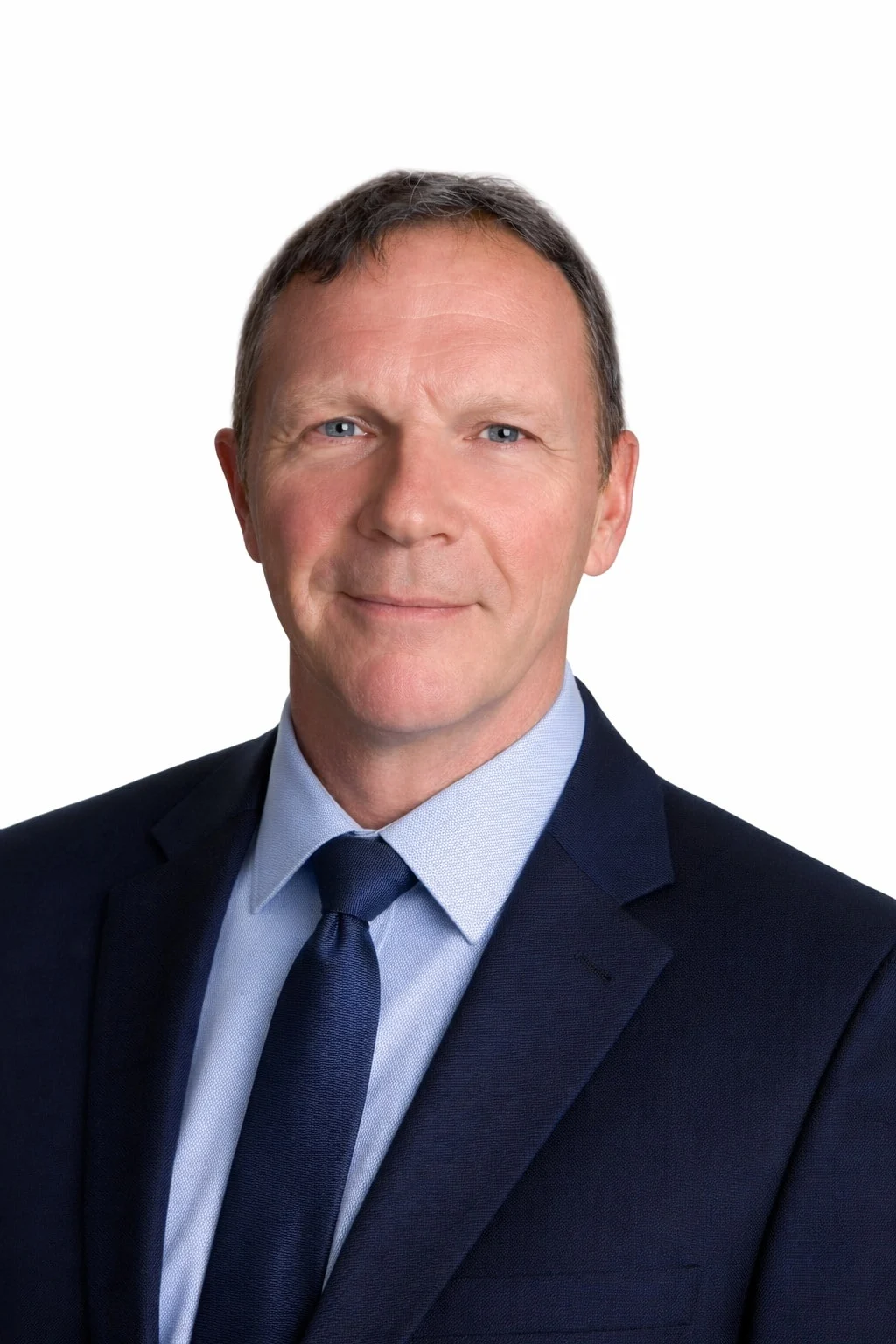
The Alliance for Aging Research serves as a cornerstone in the mission to improve the universal human experience of aging and health. Through rigorous advocacy, science-driven public policy, and a commitment to patient-centered care, the organization works to transform the landscape of geriatric health. At the heart of this mission are the dedicated professionals who translate complex policy goals into tangible legislative progress. This month, the Alliance shines a spotlight on Scott Frey, Senior Vice President of Public Policy and Government Relations, a veteran strategist whose career has been defined by a lifelong commitment to retirement security, medical equity, and the promise of scientific advancement.
The Policy Architect: Main Facts and Role
As the Senior Vice President of Public Policy and Government Relations, Scott Frey acts as the primary conduit between the Alliance for Aging Research and the halls of power in Washington, D.C. His role is multifaceted, requiring a delicate balance of stakeholder engagement and high-level advocacy.
Frey is tasked with navigating the intricate dynamics of the U.S. Congress and the Federal Executive Branch. His daily objective is to advance the Alliance’s core policy goals—which range from increasing federal funding for geriatric education to securing equitable access to life-saving medical treatments. In a political environment that is increasingly polarized, Frey’s work ensures that the needs of the aging population remain at the forefront of the national conversation, grounded in evidence-based research rather than partisan rhetoric.
A Career Shaped by History: Chronology and Motivation
To understand Scott Frey’s dedication to the Alliance, one must look back to his roots in Pennsylvania. Growing up in the central and western parts of the state, Frey witnessed firsthand the erosion of the American industrial landscape.
The Seeds of Advocacy
Following his graduate studies, Frey moved to Washington, D.C., in 1987. It was a transformative period for the region. The rapid disappearance of high-paying manufacturing jobs created a ripple effect that decimated local economies and fundamentally compromised the retirement security of an entire generation.
"Looking back, that experience shaped my passion for public service," Frey reflects. For him, policy was never merely academic; it was a mechanism to restore dignity to those who had been left behind by shifting economic tides. This formative era solidified his commitment to ensuring that the later stages of life are characterized by security and health rather than hardship and decline.
A Promise Kept
Perhaps the most poignant aspect of Frey’s professional trajectory is a personal vow. Upon graduating from college, his grandmother—the last surviving member of that generation of his family—made a simple, powerful request: "Go down there to Washington and fight for us older folks."
For nearly four decades, that directive has served as his North Star. Every policy brief drafted, every hearing attended, and every legislative victory achieved is, in part, an fulfillment of that final wish.
Supporting the Mission: The Intersection of Health and Policy
Frey’s tenure at the Alliance, now spanning one year and eight months, has seen him engage with some of the most critical health issues facing the nation. His career, however, stretches far deeper into the annals of Washington policy-making.
Historical Advocacy and Women’s Health
Before joining the Alliance, Frey was a pivotal player in the movement to correct systemic inequities in women’s health research. He was deeply involved in the historic campaigns that successfully expanded funding for breast cancer early detection and research. This background in systemic advocacy has been invaluable to his current work, as it instilled in him the necessity of bringing patients into the policy process.
"It’s been my honor to know and befriend so many patients and families who chose to channel their personal health care battles into a fight for positive change," Frey notes. He credits these individuals—those who turned personal tragedy into advocacy—as the true engines of progress.
The Current Landscape: Official Responses to Scientific Challenges
In his current capacity, Frey addresses the dual threat of declining public trust in science and the erosion of science-driven policy. He describes the modern political climate as a landscape where the "imperatives of science are under serious attack," both from external interests and within the architecture of the federal government.
Ensuring Science-Driven Policy
When asked about his favorite project, Frey resists selecting a single initiative, likening it to "choosing a favorite child." However, he emphasizes that the most rewarding aspect of his work is the collective defense of scientific integrity.
The Alliance for Aging Research operates under the belief that medical innovation must be protected by policy that is shielded from political interference. Frey’s efforts in this area involve:
- Defending NIH Funding: Protecting the research budgets that allow for the study of age-related diseases like Alzheimer’s and Parkinson’s.
- Promoting Geriatric Literacy: Working with lawmakers to understand that aging is not a monolith but a complex biological process that requires specialized medical training.
- Countering Misinformation: Engaging with executive agencies to ensure that health guidelines for seniors are based on peer-reviewed data rather than political expediency.
Implications: The Future of Healthy Aging
Scott Frey’s perspective on the future of aging is one of cautious, yet profound, optimism. He notes that we are currently on the "cusp of promising and long-awaited new developments in treatments and access to care."
Redefining the Aging Process
For Frey, aging is not a static state of decline but a dynamic period of life that demands continuous engagement. "Embracing new challenges is critical to healthy aging," he asserts. This philosophy mirrors his professional approach: despite decades in the policy arena, he continues to seek new ways to understand the nuances of longevity.
He acknowledges that while much of the work he began in the late 1980s is finally coming to fruition, the cycle is never truly complete. Every success, such as the approval of a new drug or the passage of a bill, inevitably creates new challenges—be it the pricing of medication, the delivery of care to underserved rural areas, or the integration of new technology into senior healthcare.
A Human Perspective: Beyond the Office
While his professional life is consumed by the rigors of D.C. politics, Frey’s personal life reveals a man of intellectual depth and appreciation for the classics.
Intellectual Influences
When asked about his favorite literature, Frey eschews the typical business-book recommendations for a collection that suggests a keen understanding of the human condition. His list includes:
- Joseph Heller’s Catch-22: A nod to the often-absurdist nature of bureaucracy, a theme he surely encounters in his work.
- The works of Kurt Vonnegut: Known for his humanist perspective and critique of American life.
- William Shakespeare: A testament to the timeless nature of the human experience.
- A.A. Milne and Maurice Sendak: A selection that highlights his commitment to the next generation and the importance of wonder.
The Ongoing Commitment
Scott Frey’s work at the Alliance for Aging Research is a testament to the power of sustained, purposeful advocacy. He serves as a reminder that the policies that govern our lives are often shaped by individuals who carry personal promises into the public sphere.
As the demographic shift toward an older population accelerates, the work being done by leaders like Frey is becoming increasingly critical. Whether it is ensuring that geriatric care is prioritized in federal budgets or fighting to maintain public trust in scientific institutions, the impact of his efforts will be felt by millions of Americans for years to come.
In the final analysis, Frey’s career serves as a blueprint for those seeking to make a difference: it is built on the foundation of a promise, sharpened by the lessons of history, and dedicated to the belief that scientific progress, when paired with compassionate policy, can fundamentally improve the human experience of aging. He remains, as he has been since 1987, a dedicated advocate for the older folks, turning the wisdom of the past into the policy of the future.