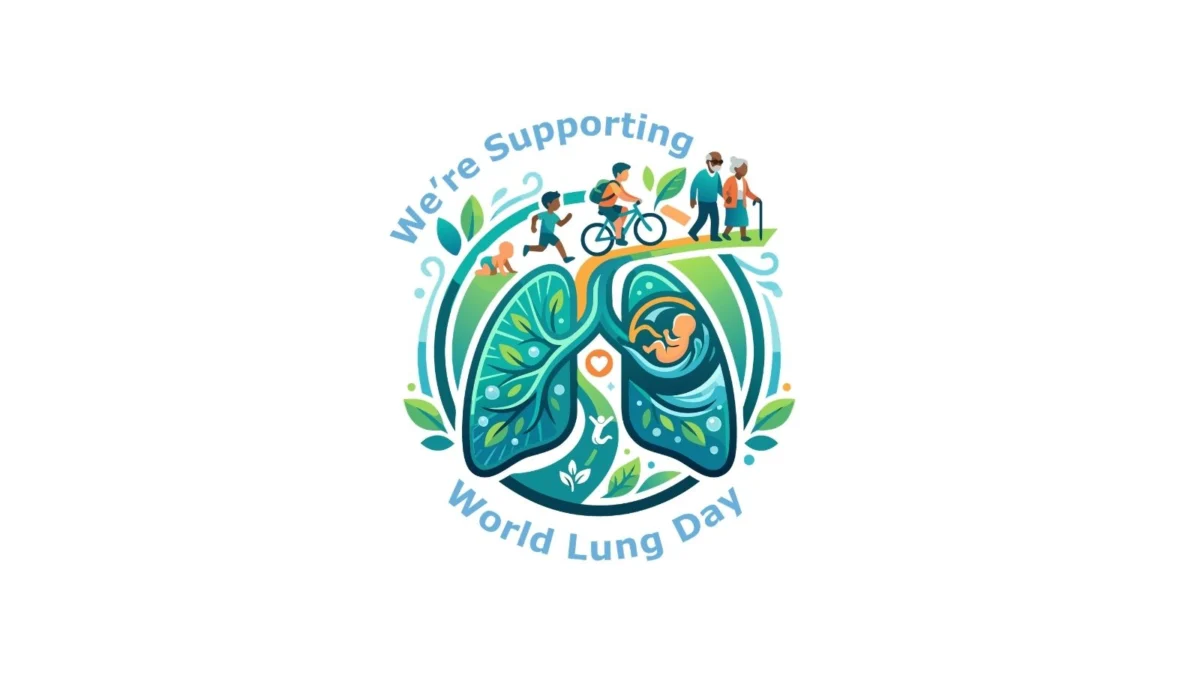
25 September, 2026 — As the global community marks World Lung Day 2026, a unified message is echoing from the halls of clinical research to the corridors of public policy: respiratory health is not a static condition, but a dynamic, lifelong journey.
Led by the Forum of International Respiratory Societies (FIRS)—a powerhouse coalition representing nine leading respiratory organizations and approximately 100,000 health professionals—this year’s campaign, “A Lifetime of Lung Health,” serves as a sobering reminder that the quality of our breath in our twilight years is inextricably linked to the air we breathed in our infancy.
The Core Mandate: Why Lung Health Begins at Birth
The fundamental premise of World Lung Day 2026 is that the respiratory system is a lifelong asset that requires constant stewardship. From the moment of conception, the lungs undergo a rapid and complex development process that continues well into childhood. FIRS emphasizes that this window of vulnerability is also a window of opportunity.
"Lung health begins early in life and needs to remain a priority throughout the entire life course," the organization stated in its official launch address. The implications are profound: respiratory deficits incurred during critical developmental windows—whether through maternal exposure to pollutants, childhood infections, or early-life nutrition—can establish a trajectory of diminished lung function that persists for decades.
Chronology of a Crisis: The Evolution of Respiratory Health
To understand the urgency of the 2026 campaign, one must look at the historical trajectory of respiratory illness.
- Pre-2000s: Respiratory health was primarily viewed through the lens of acute infectious disease and occupational hazards like coal mining and asbestos.
- 2000–2015: The rise of urbanization and global industrialization brought air pollution to the forefront. Chronic Obstructive Pulmonary Disease (COPD) and asthma rates began to climb globally.
- 2016–2020: The inception of World Lung Day served to consolidate the fragmented global response to respiratory disease, creating a singular platform for advocacy.
- 2020–2022: The COVID-19 pandemic acted as a global catalyst, forcing the public and policymakers to confront the fragility of human respiratory systems on a scale never before seen.
- 2023–2025: A shift toward "prevention over reaction" began, focusing on the environmental determinants of health, such as climate change and indoor air quality.
- 2026 (The Current Moment): The focus shifts to the "Life Course Approach," acknowledging that the lung is an organ that ages, adapts, and requires specialized care at every developmental stage.
Supporting Data: The Burden of Disease
The necessity of the Lifetime of Lung Health campaign is underscored by staggering global statistics. Respiratory diseases remain among the leading causes of death and disability worldwide.
1. The Prevalence of Preventable Harm
Data suggests that millions of premature deaths occur annually due to respiratory conditions that are either preventable or treatable if caught early. Tobacco and nicotine remain the most significant, yet avoidable, stressors on lung health. Furthermore, exposure to indoor and outdoor air pollution remains a silent killer, impacting millions who live in high-density urban areas.
2. The Impact of Childhood Exposures
Longitudinal studies cited by FIRS indicate that children exposed to second-hand smoke or high levels of ambient nitrogen dioxide show significantly reduced forced expiratory volume (FEV1) by age 18. This reduction serves as a "ceiling" for their lung capacity, leaving them more susceptible to respiratory failure later in life.
3. Aging Populations and Chronic Care
As global life expectancy increases, so does the prevalence of age-related respiratory decline. Chronic respiratory conditions often go undiagnosed in the elderly, where symptoms are frequently dismissed as a "normal part of getting old." This diagnostic gap leads to delayed interventions and significantly reduced quality of life.
Four Pillars of the FIRS 2026 Framework
To address these challenges, FIRS has categorized its strategic objectives into four interconnected pillars. These pillars are designed to guide governments, NGOs, and medical practitioners.
I. Healthy Lung Development
The focus here is on the "pre-natal to early childhood" phase. This involves ensuring pregnant individuals have access to clean air, nutrition, and healthcare. Reducing exposure to toxins during these formative months is the most effective way to ensure a child reaches their maximum physiological potential.
II. Healthy Lung Growth
Once born, a child’s lungs continue to grow. This phase requires schools, families, and local governments to eliminate "silent" threats. This includes addressing mold in housing, regulating traffic emissions near schools, and discouraging the early uptake of vaping and smoking among adolescents.
III. Healthy Lungs Throughout Life
This pillar focuses on the adult years. It advocates for early screening programs for COPD and lung cancer, particularly for those in high-risk occupations. It also emphasizes the social determinants of health—ensuring that lower socioeconomic groups have equal access to clean air and preventative respiratory care.
IV. Healthy Lung Ageing
The final pillar addresses the physiological decline that accompanies aging. It calls for better geriatric respiratory protocols, recognizing that the lungs are not immune to the aging process. By prioritizing respiratory wellness in the elderly, we can reduce the burden on acute hospital systems and improve the autonomy of the aging population.
Official Responses and Strategic Implications
The call to action from FIRS has triggered a wave of responses from global health stakeholders.
A Multidisciplinary Approach
"We can no longer afford to treat the lung as a standalone organ that only requires attention when we struggle to breathe," said a leading respiratory researcher. The consensus among the 100,000 professionals represented by FIRS is that lung health is a human right that requires an "all-of-society" approach.
Implications for Governments
The political implications are significant. FIRS is urging nations to integrate lung health into their climate change agendas. By treating air quality as a primary respiratory health issue, governments can justify stricter emission standards and green urban planning. The argument is simple: the cost of cleaning the air is significantly lower than the long-term economic cost of treating millions of respiratory patients.
Empowering the Individual
While structural changes are paramount, FIRS is also emphasizing individual agency. The campaign encourages personal accountability regarding smoke exposure, active engagement in physical activity—which strengthens respiratory musculature—and the proactive pursuit of regular lung check-ups.
The Road Ahead: Why 2026 is a Turning Point
World Lung Day 2026 is not merely an awareness campaign; it is a declaration of systemic change. By framing lung health as a "lifetime" issue, FIRS is effectively shifting the medical paradigm from reactionary acute care to proactive, longitudinal health management.
The success of this initiative will be measured not just in the short-term reduction of respiratory infections, but in the long-term improvement of lung capacity across entire generations. If the goals set forth on this 25 September are met, the world may see a future where "shortness of breath" is a rare, managed condition rather than a pervasive global crisis.
As the day concludes, the message to policymakers, healthcare providers, and the general public remains clear: Our lungs are our most intimate connection to the environment. Protecting them is not just a medical imperative—it is a moral, social, and economic necessity that must be sustained from the first breath to the last.
About FIRS: The Forum of International Respiratory Societies (FIRS) is an organization comprised of the world’s leading respiratory societies, working together to improve lung health globally through advocacy, education, and research.