









Featured Buzz – January 11, 2026
The landscape of respiratory medicine is undergoing a profound transformation. As clinical demand for faster, more accurate diagnostic tools grows, researchers are turning to the synergy of artificial intelligence (AI), advanced imaging, and molecular biomarkers to address long-standing challenges in pulmonary health. From the early detection of chronic obstructive pulmonary disease (COPD) to the precision management of critically ill infants and patients with severe infections, new studies published in early 2026 suggest that the future of pulmonology is increasingly digital and data-driven.
1. AI-Powered ECGs: A New Horizon for COPD Screening
Chronic Obstructive Pulmonary Disease (COPD) remains one of the world’s leading causes of mortality, yet it is notoriously underdiagnosed. Often, patients do not seek medical attention until significant lung damage has already occurred. A groundbreaking study from the Mount Sinai Health System offers a potential paradigm shift in how we approach this condition.
The Methodology: Mining Data for Patterns
Researchers hypothesized that the physiological strain COPD places on the heart—and the subsequent electrical changes captured by an electrocardiogram (ECG)—could serve as a digital fingerprint for the disease. To test this, the team analyzed a massive dataset comprising 208,231 ECGs from 18,225 patients with confirmed COPD, alongside 552,771 ECGs from a control group of 59,356 individuals matched by age, sex, and race.
By training a Convolutional Neural Network (CNN) on this high-volume data, the team created a model capable of distinguishing subtle, disease-specific electrical patterns that are often imperceptible to the human eye.
Implications for Clinical Practice
While the researchers are quick to clarify that AI-enhanced ECGs will not replace gold-standard spirometry, the utility of this tool lies in its accessibility. "Earlier recognition may facilitate timely smoking cessation, targeted therapies, and pulmonary rehabilitation," the authors noted in eBioMedicine. By integrating this screening into routine clinical visits—where ECGs are already standard practice—healthcare systems could identify high-risk individuals years before symptoms become debilitating.
2. Neonatal Precision: Predicting Extubation Success in VLBW Infants
The management of very low birth weight (VLBW) infants in the Neonatal Intensive Care Unit (NICU) is a delicate balancing act. Mechanical ventilation is life-saving, but prolonged intubation carries its own risks. Predicting when a premature infant is ready for extubation remains a significant challenge for neonatologists.
The Study: Lung Ultrasound as a Predictive Tool
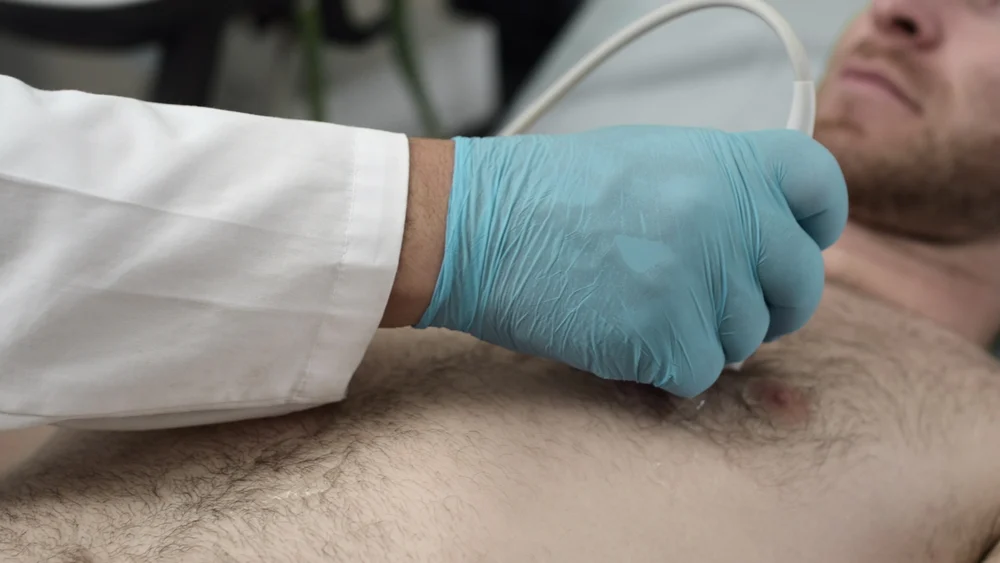
A study from the University of Chicago, published in the Journal of Perinatology, suggests that lung ultrasound (LUS) scores could be the key to improving these outcomes. The researchers examined 45 VLBW infants who were intubated for respiratory distress syndrome, tracking 53 separate extubation attempts.
By performing a lung ultrasound three to six hours before each attempt, the team was able to assess the lung’s readiness for independent breathing. A failed extubation was defined as the requirement for reintubation within seven days. The findings suggest that a neonatal-adapted LUS score acts as an excellent predictor of success, providing clinicians with a concrete, real-time metric to guide the transition off the ventilator.
Clinical Takeaways
The study also provided critical insights into pharmacological interventions, finding that dexamethasone treatment—often used to reduce inflammation—was not associated with lower LUS scores. This research empowers NICU teams with a non-invasive, bedside tool that reduces the uncertainty inherent in weaning premature infants from mechanical ventilation, potentially reducing the duration of hospital stays and associated complications.
3. Combating Antibiotic Overuse: AI and Biomarkers in LRTI Diagnosis
The inappropriate use of antibiotics is a global health crisis, particularly in Intensive Care Units (ICUs) where clinicians often face "diagnostic uncertainty" when treating critically ill patients with suspected Lower Respiratory Tract Infections (LRTIs) like pneumonia.
A Multimodal Diagnostic Approach
Researchers at the University of California, San Francisco (UCSF), have unveiled a sophisticated new diagnostic strategy that combines molecular biology with Generative AI. The core of this strategy is the identification of the FABP4 gene, which is found in lung fluid and plays a role in tempering inflammation. The study found that FABP4 expression is significantly lower in infected lung cells compared to healthy ones.
By integrating this biological signal with a GPT-4-based analysis of electronic medical records—including chest X-ray reports and clinical notes—the researchers built a predictive model that achieves 96% diagnostic accuracy.
Disrupting the Antibiotic Loop
In the observational study, this AI-driven model outperformed experienced ICU clinicians. Given that many clinicians tend to over-prescribe antibiotics "just in case," the model has the potential to reduce inappropriate antibiotic usage by more than 80%. As the team moves toward validating this as a clinical test, they are already looking toward the future, with plans to apply this AI-integrated biomarker approach to the early detection of sepsis—a condition where every minute of treatment delay impacts patient survival.
Chronology of Findings and Research Development
The timeline of these developments reflects a rapid acceleration in clinical research:
- Mid-2025: Initial data collection for the Mount Sinai ECG project and the UCSF LRTI study begins, focusing on retrospective analysis of massive health system datasets.
- Late 2025: The University of Chicago concludes its prospective analysis of LUS scores in VLBW infants, finalizing the correlation between ultrasound imaging and successful weaning.
- January 2026: All three studies are published simultaneously, marking a significant milestone in pulmonary diagnostics.
- Future Outlook (Q2 2026 and beyond): UCSF plans to begin clinical validation for their LRTI diagnostic tool, while Mount Sinai looks to integrate their AI-ECG model into routine hospital workflows to test real-world performance.
Official Responses and Expert Perspective
The scientific community has reacted with cautious optimism. Experts note that while these tools show immense promise, the "black box" nature of AI remains a subject of necessary scrutiny.
In the case of the COPD study, the Mount Sinai researchers emphasized the pragmatic nature of their work: "AI-enhanced ECG interpretation offers a pragmatic approach to screening that can lead to earlier treatment, ultimately improving quality of life." This sentiment is shared by the UCSF team, who noted, "Integrating a host biomarker with large language model analysis can improve LRTI diagnosis in critically ill adults."
However, medical ethicists and clinicians alike stress that these tools must be used as an adjunct to—not a replacement for—clinical judgment. The successful integration of these technologies into the standard of care will depend on rigorous clinical trials and the development of clear protocols for how clinicians should respond when AI findings deviate from standard examination results.
Implications for the Future of Respiratory Health
The common thread linking these three studies is the shift from reactive to proactive respiratory care.
- Early Detection: The ability to flag COPD via a routine ECG means that millions of patients who would otherwise remain undiagnosed until the late stages of the disease can now be identified while intervention is still highly effective.
- Precision Care in the NICU: By using objective, non-invasive imaging (LUS), neonatologists can provide more personalized care for the most vulnerable infants, minimizing the trauma of failed extubations.
- Stewardship and Precision Medicine: The UCSF model represents a massive win for antibiotic stewardship. By providing a 96% accurate diagnosis, it gives clinicians the confidence to withhold unnecessary antibiotics, thereby slowing the rise of antimicrobial resistance and reducing hospital-acquired complications.
As these tools move from the lab to the bedside, the role of the physician is evolving. Rather than just interpreting data, physicians are becoming the supervisors of increasingly sophisticated diagnostic ecosystems. This synergy between human experience and machine intelligence is poised to redefine the standards of respiratory care, ultimately lowering the burden of disease on both patients and the healthcare system.
The convergence of these breakthroughs in early 2026 suggests that the next decade will be defined by an era where digital tools provide a "second set of eyes" for every clinician, ensuring that pulmonary conditions are caught earlier, treated more precisely, and managed with a higher degree of efficacy than ever before.