In the pursuit of longevity and physical fitness, we often prioritize the "glamour" muscles—the biceps, the glutes, or the core. Yet, beneath our feet lies one of the most vital, yet chronically overlooked, components of the human musculoskeletal system: the ankle. As the anatomical intersection where the talus, calf, and shin bones converge, the ankle serves as the essential bridge between the lower leg and the foot.
While often treated as an afterthought in standard gym routines, the ankle is, in reality, the silent sentinel of human movement. Whether you are navigating a flight of stairs, traversing uneven terrain, or simply standing at a kitchen counter, your ankles are working in harmony to provide the stability and balance necessary for an independent life.
The Front Line of Balance: Expert Insights
"We think of the ankle as an accessory to the balance system, but that is a dangerous misconception," explains Terry Tateossian, Founder of THOR (The House of Rose) and a Certified Lifestyle Medicine Coach. "In truth, the ankle is the front line of the entire balance system."
According to Tateossian, who specializes in women’s wellness and middle-aged health, the ankle’s role in preventing catastrophic injury cannot be overstated. "When you feel yourself starting to lose your balance, your ankle is your first line of defense," she notes. "The small, rapid-fire micro-adjustments occurring in the foot and lower leg are what catch you before your larger hip muscles even have a chance to activate. If that front line fails, the entire system is compromised."
When ankle stability is neglected, the physiological chain reaction is profound. Reduced strength leads to decreased foot clearance during gait, diminished lateral stability, a shortened stride, and a significant degradation in confidence when navigating stairs. For older adults, these deficits aren’t just minor inconveniences; they are major risk factors for life-altering falls.
The Anatomy of the Risk: Why Ankle Health Declines
To understand why ankle training is non-negotiable, we must look at the aging process of the musculoskeletal system. After the age of 60, the body experiences a natural decline in muscle mass—a condition known as sarcopenia. The calf muscles, which are critical for providing the explosive power needed for walking and the stabilizing tension needed for standing, are among the fastest to atrophy.
As the tibialis anterior (the muscle on the front of the shin) weakens, individuals begin to experience "foot drop." This condition makes it difficult to lift the toes properly while walking. Even a slight decrease in toe clearance can lead to trips on carpets, curbs, or uneven surfaces. When the "first responder" of your balance system—the ankle—is not strong enough to make those lightning-fast corrections, the result is often a fall.
Four Daily Exercises to Reclaim Stability
You do not need a state-of-the-art gym to restore your ankle health. Incorporating targeted movements into your daily routine can significantly improve proprioception—the body’s ability to sense its position in space—and reinforce the surrounding musculature. Here are four essential movements recommended by experts.
1. Heel Raises With Counter Touch
Heel raises are the gold standard for calf strength. By strengthening the posterior ankle, you create a robust foundation for your gait.
- The Technique: Stand facing a sturdy counter. Place your hands lightly on the surface for balance. Slowly rise onto your tiptoes, squeezing your calves at the peak of the movement, then descend with control.
- Why it works: This exercise combats the rapid atrophy of the calf muscles, ensuring that you maintain the power needed for walking and standing for extended periods.
2. Toe Raises
If heel raises are the foundation, toe raises are the insurance policy against tripping.
- The Technique: Stand with your back to a wall for support or hold a chair. Keep your heels planted firmly on the ground and lift your toes toward your shins as high as possible. Hold for a second and lower.
- Why it works: By targeting the tibialis anterior, you ensure your foot clears the ground effectively during each step. This simple movement is one of the most effective ways to prevent the "toe-stubbing" that leads to falls in older adults.
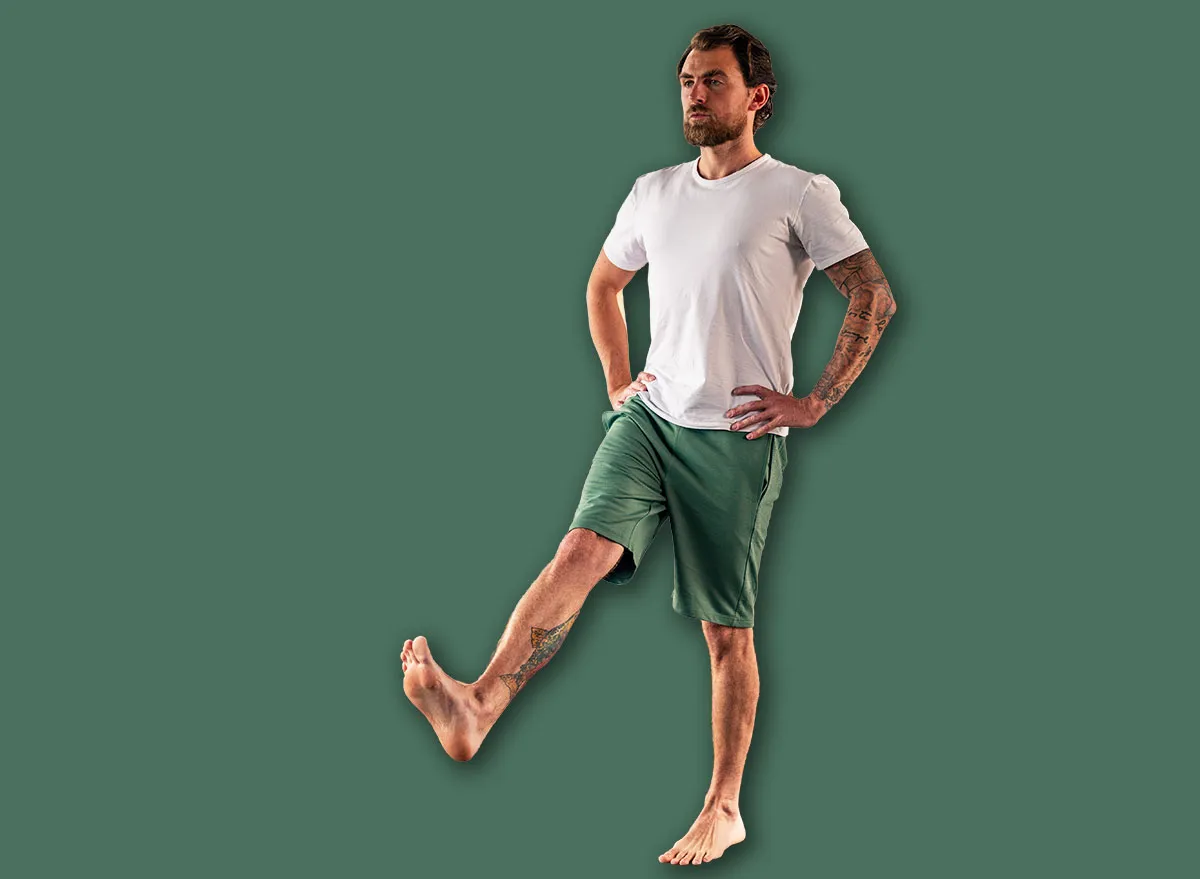
3. Single-Leg Balance Hold
Proprioception is a "use it or lose it" skill. The single-leg balance hold forces the stabilizer muscles around the ankle to fire constantly to keep you upright.
- The Technique: Stand near a wall or counter for safety. Lift one foot slightly off the ground and attempt to maintain your balance for 30 seconds.
- Why it works: This trains the nervous system to coordinate the micro-movements required for stability. It is an essential drill for anyone looking to reduce their risk of falls, which remains the leading cause of injury for adults over 60.
4. Ankle Alphabets
Ankle mobility is just as important as strength. If the joint is stiff, it cannot react to sudden changes in terrain.
- The Technique: While seated, lift one foot off the floor. Use your big toe to "write" the letters of the alphabet in the air.
- Why it works: This moves the joint through its full range of motion in every direction. By keeping the joint fluid, you mitigate the risk of "sideways rolls"—a common cause of acute ankle injuries and fractures in older populations.
The Long-Term Implications of Ankle Neglect
The medical community is increasingly viewing ankle health as a primary marker of "biological age." A person who maintains strong, flexible, and responsive ankles is statistically more likely to remain independent and active well into their 80s and 90s.
Conversely, the "gait shortening" that results from weak ankles leads to a sedentary cycle. When a person no longer feels confident on their feet, they walk less. When they walk less, they lose more muscle mass. This cycle creates a downward trajectory that affects not only physical health but mental well-being and social engagement.
Supporting Data: The Statistics of Stability
Research from the National Institute on Aging highlights that falls are not merely "accidents"; they are often the culmination of cumulative weakness in the lower extremities.
- Fall Incidence: One in four Americans aged 65+ reports falling each year.
- Injury Severity: Falls are the leading cause of injury-related death among adults over 65.
- Prevention: Strength and balance training—specifically those targeting the lower leg—can reduce the risk of falling by up to 30% in high-risk populations.
Integrating Maintenance into Daily Life
The beauty of the exercises mentioned above is that they do not require a specialized time block. Heel raises can be done while waiting for the coffee to brew. Ankle alphabets can be performed while watching the evening news. By shifting the perspective of the ankle from an "accessory" to a "priority," you are making a long-term investment in your autonomy.
"When you take the time to build your foundation, you aren’t just preventing a fall today," says Tateossian. "You are building the architecture that will support your freedom of movement for decades to come."
As with any new exercise program, it is recommended that individuals consult with a physician or physical therapist, particularly if they have a history of ankle injuries or chronic joint pain. However, for most, the journey to a more stable life starts with a simple, deliberate step—or in this case, a simple lift of the heel or toe.
Ultimately, the goal is not to be an athlete in the traditional sense, but to be an "active liver." By respecting the anatomical importance of the ankle, you ensure that you remain the master of your own mobility, capable of navigating the world with the confidence and stability you deserve.