










In a landmark development for regenerative medicine and pediatric cardiology, results from the Phase III HOPE-3 clinical trial have revealed that an investigational cell therapy, deramiocel, significantly slows the progression of both skeletal muscle decline and cardiac dysfunction in patients with advanced Duchenne muscular dystrophy (DMD). Published in The Lancet, the findings represent a major milestone in the quest to treat one of the most debilitating and lethal genetic disorders affecting young males.
The study, conducted by researchers at Cedars-Sinai Health Sciences University, provides the first robust evidence that a cell-based therapy can effectively combat the systemic damage caused by DMD. By demonstrating a 54% reduction in the weakening of skeletal muscles and a 91% slowdown in heart dysfunction, deramiocel has emerged as a potential paradigm-shifting intervention for patients who have historically faced limited therapeutic options as their condition progresses.
Main Facts: A New Frontier in Cell Therapy
Duchenne muscular dystrophy is a severe, X-linked genetic disorder characterized by the progressive wasting of muscles. Because it is caused by mutations on the X chromosome, it predominantly affects boys, leading to the loss of independent mobility and eventually fatal heart and respiratory failure. For decades, the medical community has focused on symptom management, but curative or disease-modifying therapies for advanced-stage patients have remained elusive.
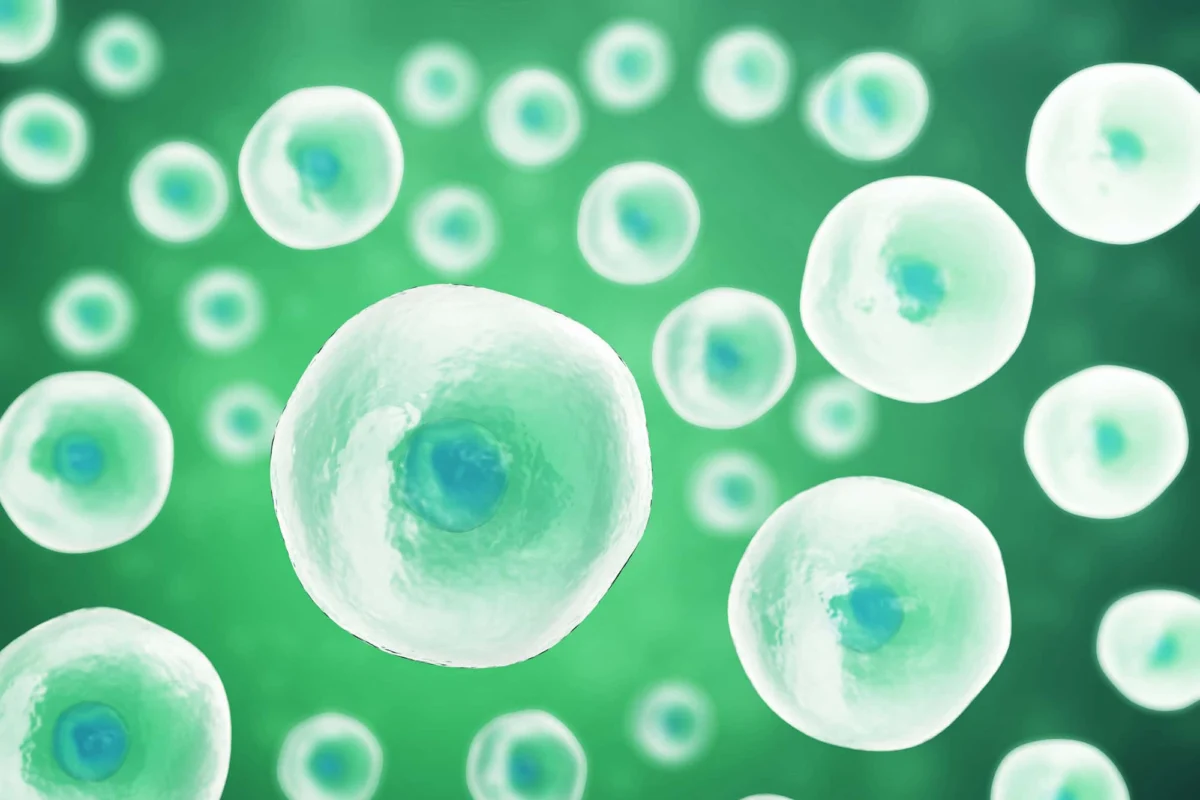
Deramiocel, the therapy at the center of the HOPE-3 trial, is a unique biological treatment composed of cardiosphere-derived cells (CDCs). These cells are harvested from healthy donor heart tissue—specifically from hearts that were deemed unsuitable for transplantation. Unlike traditional pharmaceuticals that might target a single protein or gene pathway, CDCs act as a “biological factory.” They secrete extracellular vesicles containing ribonucleic acid (RNA) molecules and proteins that facilitate tissue repair, reduce inflammation, and combat the fibrosis that characterizes DMD-related muscle deterioration.
The Phase III trial was a randomized, double-blind study involving 106 participants. Over the course of one year, patients received intravenous infusions of either deramiocel or a placebo every three months. The primary endpoints were the preservation of muscle function and the mitigation of cardiac decline, both of which showed statistically significant improvement in the treatment group.
The Chronology of Discovery: Two Decades of Research
The success of the HOPE-3 trial is the culmination of more than 20 years of intensive laboratory and clinical research led by Eduardo Marbán, MD, PhD, executive director of the Smidt Heart Institute at Cedars-Sinai.
- Early Foundations (2000s): Dr. Marbán and his team pioneered the identification and isolation of cardiosphere-derived cells, discovering their unique regenerative properties. Early pre-clinical models suggested that these cells could communicate with and modulate the behavior of surrounding diseased tissue.
- Proof of Concept (2010–2015): Building on early successes, the team transitioned to Phase I and II clinical trials to establish the safety and preliminary efficacy of CDCs. These studies focused on patients with both Duchenne and other forms of heart failure, confirming that the cells were well-tolerated by the human immune system.
- The HOPE-3 Trial (2020–2024): With the technology licensed to Capricor Therapeutics, the pivotal Phase III trial was launched to provide definitive evidence for regulatory bodies. The trial recruited 106 participants, specifically targeting those with advanced disease—a population often excluded from gene therapy trials that require a baseline level of motor function.
- The Lancet Publication (2024): The peer-reviewed publication of the results in The Lancet has solidified the status of deramiocel as a leading candidate in regenerative medicine, setting a new benchmark for how cell therapies are evaluated in clinical settings.
Supporting Data: Quantifying the Impact
The statistical significance of the HOPE-3 data provides a compelling argument for the adoption of deramiocel as a standard of care for advanced DMD.
Skeletal Muscle Preservation
Patients receiving deramiocel experienced a 54% reduction in the rate of skeletal muscle decline. In the context of DMD, where muscle loss is aggressive and unrelenting, this slowing represents a substantial improvement in quality of life. By preserving upper limb function, the therapy allows patients to maintain basic self-care tasks—such as feeding themselves or operating a wheelchair—for a significantly longer duration than they would otherwise.
Cardiac Efficacy
The most striking finding, however, was the 91% reduction in the progression of heart dysfunction. Cardiomyopathy—the weakening of the heart muscle—is the leading cause of mortality in older DMD patients. The trial data indicated that in many participants already diagnosed with cardiomyopathy, deramiocel did not merely slow the decline; it resulted in full preservation or even slight improvements in cardiac pumping capacity. This suggests that the therapy can potentially extend life expectancy by decades, addressing the primary cause of death in this population.
Safety Profile
Throughout the one-year study, the intravenous administration of deramiocel was found to be safe. Because the cells are derived from donor hearts and processed in a controlled laboratory environment, they have a low immunogenic profile, minimizing the risk of adverse rejection reactions often associated with other cell-based or gene-editing therapies.
Official Responses and Expert Commentary
The medical community has reacted to the trial results with significant optimism, viewing them as a vindication of the cell-therapy approach to genetic diseases.
Dr. Eduardo Marbán, the study’s senior author, emphasized the broader implications of the findings: “After more than two decades of hard work, we have demonstrated that deramiocel can slow or even halt not only the loss of upper limb function but also the progression of heart failure. This is the first Phase III trial to show that a cell therapy is effective against a genetic disease, or any type of heart disease.”
Dr. Craig McDonald, the national principal investigator of the HOPE-3 trial and a professor at UC Davis Health, highlighted the human impact: “The benefits we observed could mean important improvements in quality of life in people with advanced Duchenne. If young people maintain their upper limb function, it will help preserve their ability to do normal activities. The heart benefits could reduce mortality.”
Shlomo Melmed, MB, ChB, executive vice president of academic affairs at Cedars-Sinai, praised the team’s persistence: “These results represent an important advance for cell-based therapy, one driven by the relentless scientific pursuit made by Dr. Marbán and his team.”
Implications: A Shift in Managing Progressive Diseases
The successful outcomes of the HOPE-3 trial carry profound implications for the future of medicine, extending far beyond the treatment of Duchenne muscular dystrophy.
1. A New Paradigm for Genetic Disease
While current research in DMD has been dominated by gene-replacement therapies (such as those attempting to insert a functional version of the dystrophin gene), these therapies are often restricted to younger patients who still possess a sufficient amount of muscle tissue. Deramiocel offers a complementary, perhaps even superior, approach for those in advanced stages of the disease, as it does not rely on replacing a defective gene, but rather on biological repair mechanisms that are independent of the underlying genetic mutation.
2. Broadening the Scope of Regenerative Medicine
The efficacy shown in heart failure patients suggests that deramiocel could be adapted to treat other forms of cardiomyopathy, regardless of whether the root cause is genetic or lifestyle-induced. The ability of cardiosphere-derived cells to modulate the heart’s microenvironment opens doors for treating various types of heart damage that were previously considered permanent.
3. Economic and Regulatory Outlook
The backing of Capricor Therapeutics, which licensed the technology from Cedars-Sinai, signals that the therapy is being prepared for commercial scale-up. As regulators review the HOPE-3 data, the focus will likely shift to how the therapy can be integrated into existing healthcare infrastructures. The intravenous delivery method is familiar to hospital systems, which may facilitate a smoother rollout compared to more complex, site-specific surgical procedures.
4. The Path Forward
Researchers are already planning follow-up studies to determine the long-term durability of the treatment and whether repeated dosing can provide indefinite stabilization. Furthermore, the success of this trial serves as a blueprint for future clinical investigations into other neurodegenerative and muscular diseases, proving that even with rare, complex conditions, systematic scientific rigor can unlock transformative solutions.
In summary, the HOPE-3 trial is more than a successful clinical study; it is a beacon of progress. By addressing both the skeletal and cardiac manifestations of Duchenne muscular dystrophy, deramiocel offers a glimpse into a future where "advanced" disease no longer equates to a rapid decline, but rather a manageable condition that allows patients to lead longer, more independent lives.