











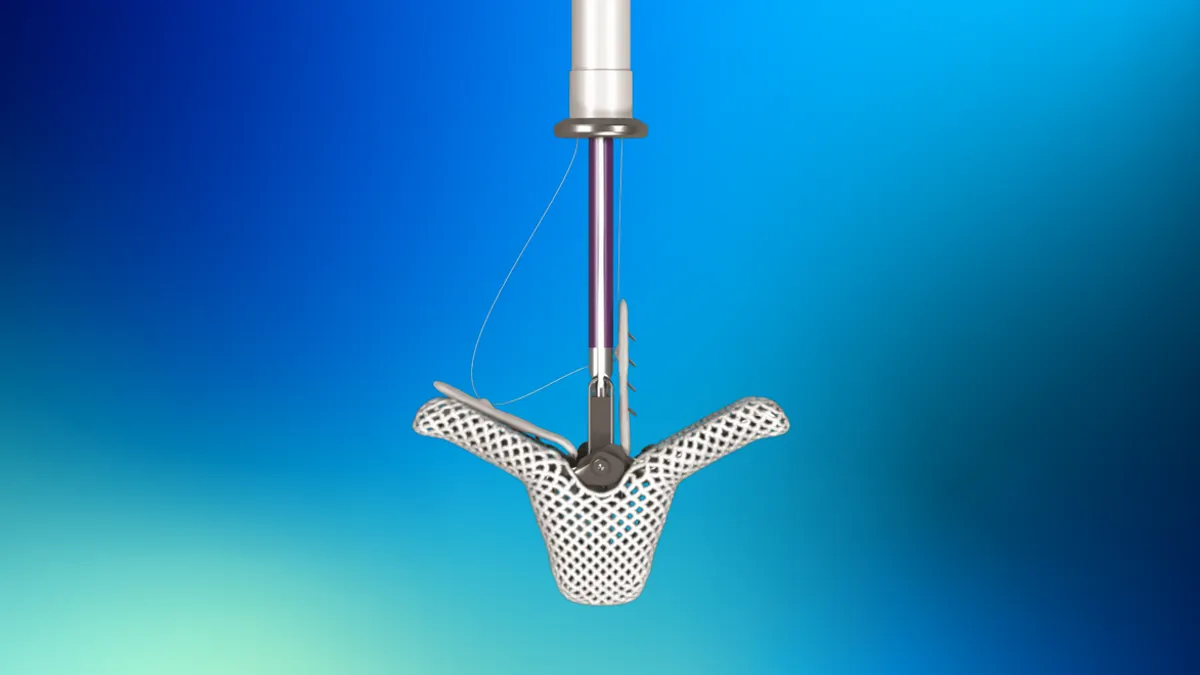
In the high-stakes world of structural heart interventions, Abbott Laboratories is proactively reinforcing its position in the tricuspid valve repair market. As the company faces an intensifying landscape of competition—most notably from rival Edwards Lifesciences—Abbott has launched an expansive, real-world clinical study of its TriClip transcatheter edge-to-edge repair (TEER) system. This move is designed to solidify the device’s clinical standing, provide long-term durability data, and maintain market share as the medical device industry pivots toward minimally invasive cardiac solutions.
The Clinical Imperative: Why the TriClip Study Matters
Tricuspid regurgitation (TR)—a condition where the heart’s tricuspid valve fails to close properly, causing blood to leak backward—has historically been an underserved area in cardiology. For years, patients with symptomatic TR faced limited options, often relegated to high-risk open-heart surgery or conservative medical management that failed to address the underlying structural issue.
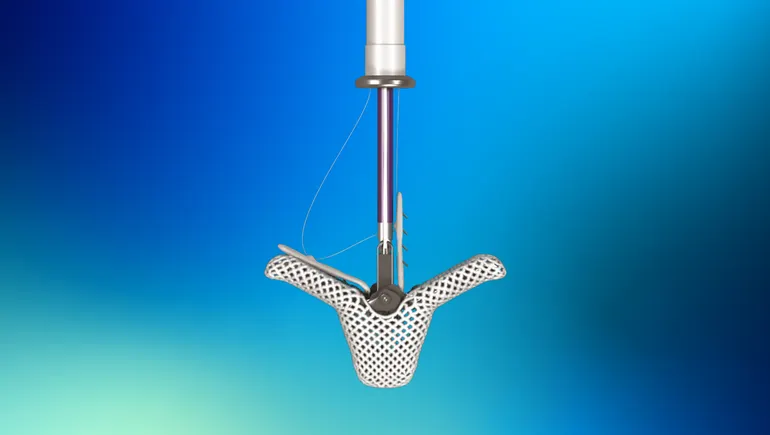
Abbott’s TriClip system, which received FDA approval following overwhelming support from an advisory committee, offers a less invasive alternative. By clipping the leaflets of the tricuspid valve together, the device reduces the severity of the leak and alleviates the heart’s workload. Now, with the launch of a new, large-scale post-market study, Abbott aims to move beyond the initial registration data to demonstrate the device’s performance in a "real-world" environment.
The study, which intends to enroll approximately 1,000 patients across 100 global clinical sites, will track participants for five years. By capturing data on adverse events, TR severity, and quality-of-life improvements at the 30-day mark and beyond, Abbott is looking to create a definitive repository of evidence that physicians can use to inform treatment decisions.
Chronology: From Approval to Market Dominance
The journey of the TriClip device reflects the rapid evolution of transcatheter technologies over the last decade:
- Initial Development and Early Trials: Abbott identified the critical need for a transcatheter solution for TR, building upon the success of its MitraClip technology.
- The FDA Advisory Committee Review: In a landmark meeting, clinical experts reviewed the data, which demonstrated that the device successfully reduced TR severity and provided tangible quality-of-life benefits for patients. The committee’s positive recommendation paved the way for U.S. regulatory clearance.
- FDA Approval: With regulatory hurdles cleared, the TriClip was introduced to the U.S. market, providing a much-needed tool for interventional cardiologists.
- Competitive Entry: As Abbott began to scale its commercial efforts, Edwards Lifesciences emerged as a primary rival, pushing its own Pascal system through the regulatory pipeline.
- The Present: Abbott initiates its 1,000-patient real-world study, signaling a transition from "early adoption" to "standard of care" data gathering, while simultaneously bracing for the imminent U.S. launch of the Pascal device.
Supporting Data and Technical Scope
The significance of the new study lies in its depth. Beyond the standard primary endpoints, the trial incorporates an innovative imaging sub-study involving 250 patients.
Cardiac Remodeling: A Key Metric
One of the most important aspects of this research is the focus on "cardiac remodeling." When the heart is subjected to chronic pressure from a leaky valve, the organ often changes shape or size in a process known as maladaptive remodeling. By tracking these patients for 12 months, researchers hope to determine whether the TriClip does more than just stop the leak—specifically, whether it allows the heart to structurally recover or "reverse" its damaged state.
The three primary endpoints of the study are:
- Safety Profile: Tracking the incidence of major adverse cardiac and cerebrovascular events (MACCE).
- Efficacy: Measuring the reduction in TR severity through standardized echocardiographic assessment.
- Health Status: Utilizing validated questionnaires to quantify improvements in patient functional status and quality of life 30 days post-procedure.
The Competitive Landscape: Abbott vs. Edwards
The race for dominance in the tricuspid space is perhaps the most closely watched development in structural heart medtech this year. Edwards Lifesciences, a titan in the transcatheter aortic valve replacement (TAVR) market, is aggressively moving into the tricuspid arena with its Pascal precision transcatheter valve repair system.
Edwards has already been leveraging the Pascal device in the European market, where it has gained traction among clinicians who cite its "independent grasping" technology as a key differentiator. This feature allows surgeons to grasp leaflets one at a time, providing more control during the complex navigation required to secure the tricuspid valve.
Daveen Chopra, corporate vice president of transcatheter mitral and tricuspid therapies at Edwards, has been vocal about the positive reception of the Pascal system in Europe. During a recent earnings call, Chopra noted that the device’s ease of use and mechanical advantages have led to a steady increase in physician adoption, setting the stage for what is expected to be a fierce battle for market share once the device launches in the United States in the fourth quarter.
Official Responses and Strategic Implications
For Abbott, the stakes could not be higher. During the company’s most recent earnings call, CEO Robert Ford emphasized that the structural heart unit remains a cornerstone of Abbott’s growth strategy.

"We are showing good growth in tricuspid," Ford stated. However, he acknowledged the broader pressures within the company’s heart business. Abbott has faced significant "competitive intensity" in the mitral valve segment, forcing the company to re-evaluate its strategy to defend its turf. The success of the TriClip, therefore, serves a dual purpose: it acts as a primary growth driver to offset challenges in other areas of the portfolio, and it acts as a defensive moat against the encroachment of Edwards.
The Financial and Market Outlook
Industry analysts suggest that the market for tricuspid intervention is vastly under-penetrated. Because the population of patients with moderate-to-severe TR is significant and largely untreated, there is room for both Abbott and Edwards to expand the market. However, as the field matures, the "winner-take-most" dynamic often seen in medical devices will likely reward the company that can prove the superior long-term clinical and economic value of its technology.
Abbott’s commitment to a 1,000-patient, five-year study is a calculated investment. By funding a robust, high-quality clinical trial, the company is not only generating data to satisfy regulatory bodies and reimbursement agencies but is also building a marketing narrative rooted in long-term safety and structural heart health.
Future Outlook
As we look toward the remainder of the year and into 2026, the medical community will be watching two key developments: the initial market response to the U.S. launch of the Edwards Pascal device, and the preliminary findings from Abbott’s new real-world TriClip study.
The battle for the tricuspid valve is about more than just market share; it is about defining the future of interventional cardiology. For physicians, the influx of competition and high-quality data is a win-win, offering more options and a clearer understanding of how to treat the most vulnerable heart patients. For investors, the competition will be the primary barometer for the health of the structural heart market in the coming years.
Abbott’s proactive stance demonstrates a clear recognition that in the modern medical device sector, being first to market is only the beginning. Sustaining that lead requires a continuous, rigorous commitment to evidence-based medicine, ensuring that every clip deployed is backed by a body of data that proves both safety and enduring clinical success.