







Date: July 15, 2026
Introduction: A New Paradigm in Respiratory Medicine
At the close of June 2026, the European Respiratory Society (ERS) marked a historic milestone in the field of pulmonology. The inaugural Respiratory Impact Conference—the first global summit dedicated exclusively to the implementation of evidence-based care—convened in an atmosphere of urgent collaboration. While the medical community has historically excelled at discovering new molecular mechanisms and therapeutic agents, the "translational gap"—the distance between clinical research findings and their actual adoption in routine practice—has remained a persistent obstacle.
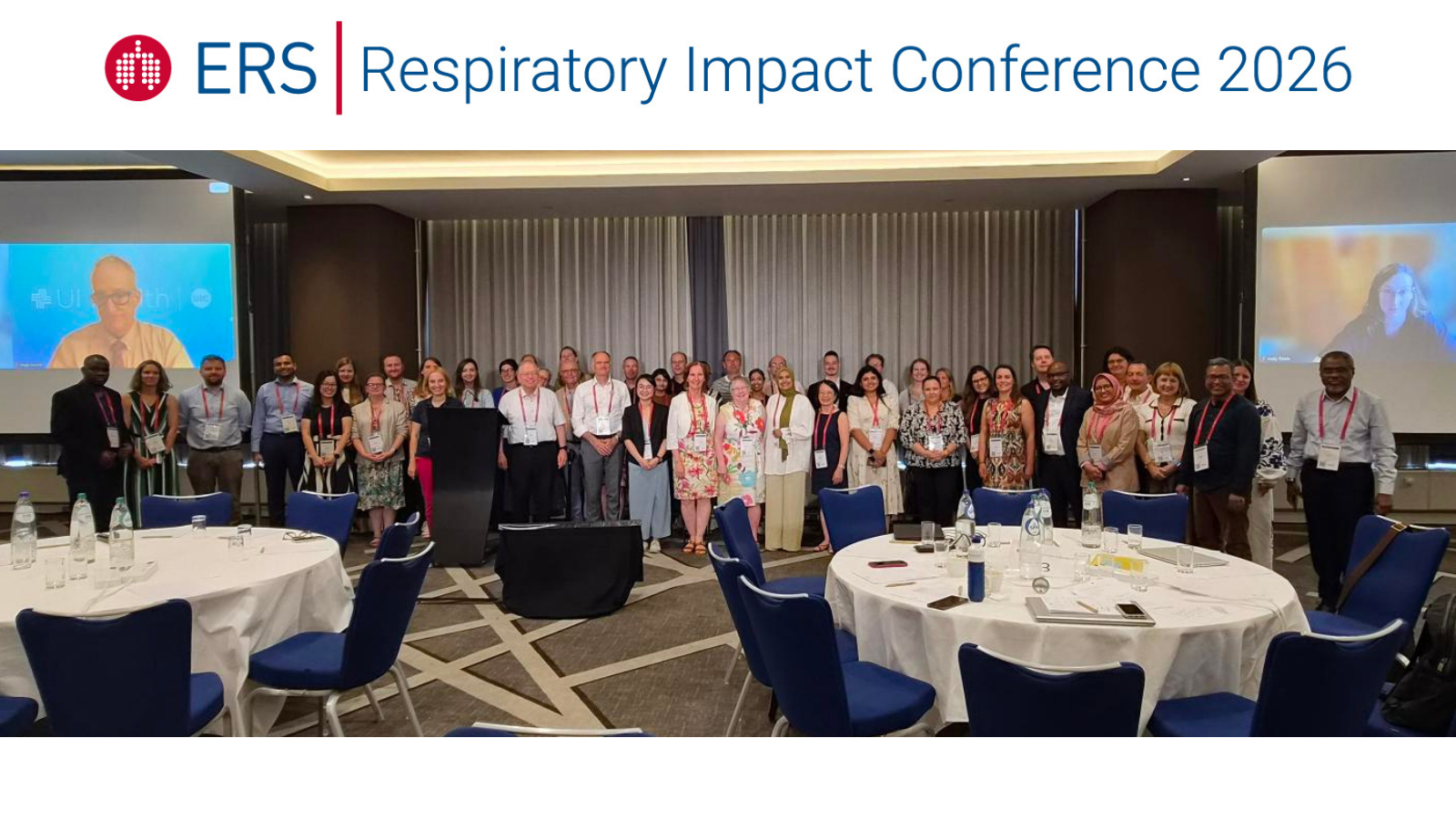
The conference brought together a multidisciplinary cohort of experts from 38 countries, shifting the focus from the laboratory bench to the broader landscape of public health policy and clinical application. By bridging the divide between academic discovery and real-world implementation, the event sought to redefine the trajectory of respiratory health on a global scale.
Main Facts: The Pillars of Implementation
The core mission of the Respiratory Impact Conference was to address how scientific advancements can be systematically integrated into healthcare systems to produce measurable, long-term improvements for patients suffering from respiratory conditions.
The conference was structured around three fundamental pillars:
- Science: The rigorous validation of new treatments and diagnostics.
- Education: The dissemination of best practices to primary care providers, specialists, and patients.
- Advocacy: The mobilization of policy frameworks to ensure that evidence-based care is not only accessible but standard practice.
Attendees represented a diverse cross-section of the medical ecosystem, including clinicians, bench scientists, educators, health policymakers, and—most crucially—patient representatives. This inclusivity ensured that the discourse remained grounded in the lived experience of patients, rather than remaining purely theoretical.
Chronology of the Summit: From Vision to Action
The event unfolded over several days of intensive workshops, keynote presentations, and interactive panel discussions, each designed to dismantle the silos that often separate researchers from those who deliver care.
Opening the Dialogue
The conference commenced with a keynote address by José Luis Castro, Director-General Special Envoy for Chronic Respiratory Diseases for the World Health Organization (WHO). Mr. Castro’s address served as the intellectual foundation for the summit, emphasizing the transition from abstract evidence to actionable policy. His message was clear: in the era of non-communicable diseases, the ability to scale evidence-based interventions is as important as the discovery of the interventions themselves.
Mid-Conference Deliberations
Following the opening, the sessions transitioned into deep dives regarding health system architecture. Participants analyzed case studies from various nations, identifying "bottlenecks" in implementation. Discussions covered everything from the digital transformation of respiratory diagnostics to the integration of respiratory health into primary care settings in resource-limited environments.
Synthesis and Closing
The final sessions focused on the creation of a "Roadmap for Impact." Organizers and participants synthesized the findings from the preceding days, establishing a framework that the ERS intends to track and update in future iterations of the conference.
Supporting Data and the Translational Pathway
To understand the significance of this conference, one must look at the "translational pathway" that the ERS is working to optimize. Historically, the medical community has viewed the trajectory of innovation as a linear process: Discovery → Clinical Trial → Regulatory Approval → Adoption.
However, data presented during the conference suggests that this model is insufficient for modern respiratory health, which faces the dual challenge of aging populations and environmental stressors.
The ERS Strategy
According to the ERS, the Respiratory Impact Conference is designed to complement the long-standing ERS Lung Science Conference. While the Lung Science Conference focuses on the mechanistic, molecular, and cellular roots of respiratory disease, the Impact Conference focuses on the application of these discoveries.
- Discovery Science: Focuses on what works (mechanisms, pathophysiology).
- Implementation Science: Focuses on how to make it work (system integration, patient behavior, policy adoption).
By flanking the Lung Science Conference with the Respiratory Impact Conference, the ERS has effectively closed the loop, ensuring that the full spectrum of respiratory science is covered from the petri dish to the public health policy document.
Official Responses: Insights from Leadership
The leadership of the ERS provided a clear vision of why this conference was necessary at this specific moment in history. Prof. Hilary Pinnock, ERS Education Council Chair and Professor of Primary Care Respiratory Medicine at The University of Edinburgh, served as the Conference Co-Chair. Her perspective highlights the paradigm shift within the Society.
"ERS recognises that the translational pathway extends beyond ‘bench to bedside’ to encompass how effective treatments can be implemented in routine care to benefit the respiratory health of populations," Prof. Pinnock noted.
She elaborated on the interactive nature of the sessions, stating, "The faculty and highly interactive sessions demonstrated that achieving impact relies on the three pillars of ERS working together: science, education, and advocacy. It was inspiring to see so many disciplines coming together with a shared goal of improving respiratory health."
The success of the event was a testament to the collaborative spirit of the organizing committee. The ERS leadership expressed profound gratitude to the speakers and faculty who challenged conventional wisdom and helped build a program that was as practical as it was ambitious.
Implications: A Global Shift in Respiratory Health
The implications of the 2026 Respiratory Impact Conference extend far beyond the walls of the conference venue. By establishing this dedicated forum, the ERS has signaled to the global health community that implementation is now a core competency of medical science.
1. Strengthening Primary Care
One of the most significant implications is the elevation of primary care as the primary site of respiratory health management. The conference emphasized that without effective primary care, even the most groundbreaking specialty therapies will fail to reach the populations that need them most.
2. Policy-Driven Medicine
The inclusion of policymakers indicates a shift toward "evidence-informed legislation." By aligning clinical researchers with those who draft government health budgets, the ERS is positioning itself to be a primary advisor in the creation of national respiratory strategies worldwide.
3. Patient-Centered Outcomes
Perhaps the most lasting impact is the commitment to patient involvement. By including patient representatives in the planning and execution of the conference, the ERS has institutionalized the concept that respiratory health should be measured not just by lung function metrics, but by the quality of life and the ability of the patient to navigate their treatment journey.
Conclusion: The Road Ahead
As the delegates returned to their respective countries in July 2026, the mandate left behind was clear: the work of the Respiratory Impact Conference is not a one-time event, but the beginning of a sustained effort.
The ERS has created a blueprint for the future—a world where the barriers between a discovery in a laboratory and its implementation at the bedside are systematically removed. As the medical community moves forward, the success of this inaugural conference will be measured by the adoption of these strategies in national healthcare plans, the reduction in disparities in respiratory care, and, ultimately, the improved health outcomes for millions of patients around the globe.
The Respiratory Impact Conference of 2026 will be remembered as the moment the respiratory community stopped simply asking "what can we discover?" and started asking "how can we make it matter?" For the ERS, this is not just an organizational goal—it is a moral imperative.