









By Kari McBride
The milestones of motherhood are often mythologized: the first tooth, the first word, the unsteady, heart-stopping grace of the first steps. I remember my daughter’s first steps as if they were a film reel playing on a loop in my mind. After 18 months of relentless medical appointments, sterile hospital corridors, and the exhausting cadence of physical therapy sessions, those small, tentative feet finally found their footing. Watching her swagger and sway down the hallway—a chaotic, triumphant dance of gravity and determination—I was struck by a profound, overwhelming sense of joy. In that fleeting instant, I felt the sharp, intoxicating clarity of a moment I vowed to anchor in my memory forever.
People often offer the advice, "Savor this moment; it won’t happen again." As a younger parent, I believed I understood the weight of that sentiment. I thought it was a call to document, to photograph, to record. I realize now that I was missing the point entirely. Savoring is not about preservation; it is about presence. Today, as I navigate the complex, often grueling reality of living with chronic pain—both my own and my daughter’s—I have discovered that the art of savoring is not found in the monumental "firsts," but in the quiet, mundane intervals that punctuate a life defined by medical necessity.
The Evolution of a Quiet Ritual: From Chore to Sanctuary
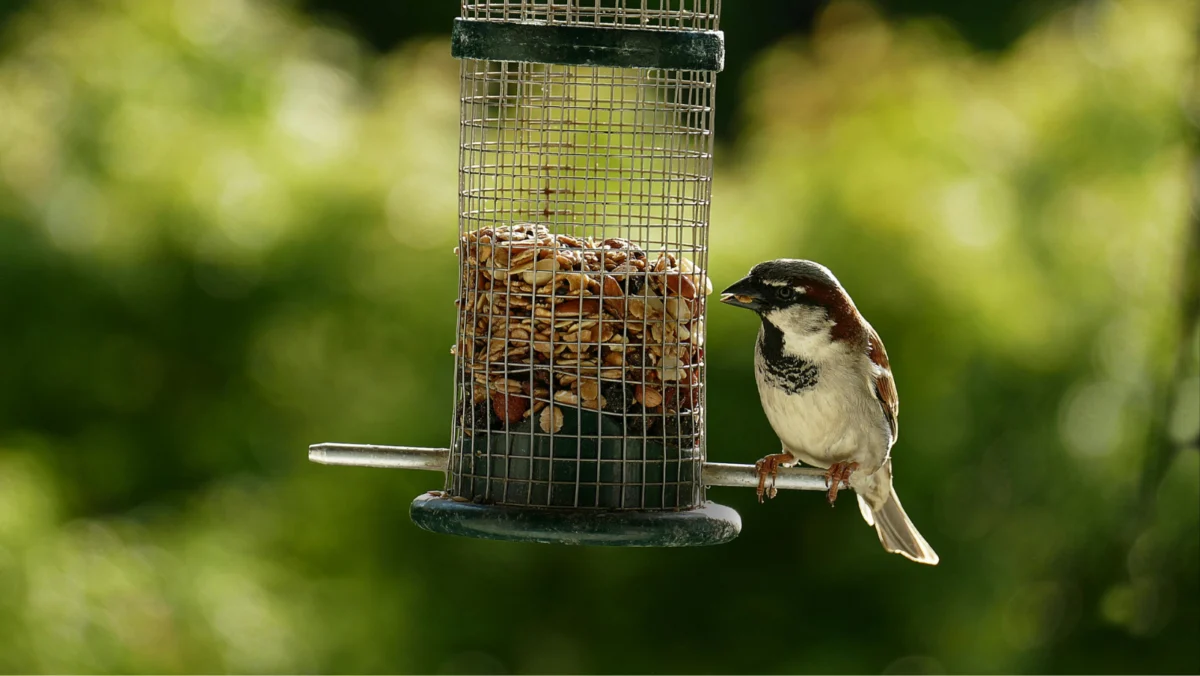
My daughter is a teenager now. The challenges we face have shifted from developmental milestones to the persistent, invisible hurdles of chronic health issues. Recently, she made a request that seemed, at first glance, like a simple distraction: she insisted we install bird feeders to attract the local avian population to our home.
After a period of negotiation—the kind of back-and-forth common between a mother and a teenager—I relented. We now have bird feeders stationed in both the front and back yards. Initially, I approached this task with the pragmatic, slightly cynical mindset of an overwhelmed parent. I saw the feeders as yet another line item on an already insurmountable to-do list: refilling the seed, cleaning the hardware, managing the mess. I expected a chore; what I received was a sanctuary.
Chronology of a Shift in Perspective
To understand how a bird feeder transformed from a task into a therapeutic anchor, one must look at the progression of our daily lives.
- The Early Years (The Era of Firsts): Our lives were dictated by clinical schedules. Time was measured in physical therapy appointments and recovery milestones. The focus was entirely on the "next big step."
- The Mid-Years (The Onset of Chronic Pain): As my daughter transitioned into adolescence, the landscape of our health changed. Chronic pain became a persistent, uninvited guest. The joy of the "firsts" was replaced by the endurance of the "always."
- The Current Phase (The Bird Feeder Initiative): The introduction of the feeders provided a structural change to our environment. It forced a rhythmic pause in our days.
- The Synthesis: The realization that by intentionally observing the birds, we were creating a cognitive buffer against the constant sensory input of pain.
Supporting Data: The Psychology of "Micro-Moments"
While my experience is deeply personal, it aligns with emerging research in the fields of environmental psychology and pain management. According to studies on "soft fascination"—a concept rooted in Attention Restoration Theory (ART)—nature-based stimuli, such as watching birds or swaying trees, allow the brain’s directed-attention mechanism to rest.
For individuals living with chronic pain, the nervous system is often in a state of high alert. The constant processing of physical discomfort consumes significant cognitive resources. By shifting focus to the erratic, charming, and gentle movements of a dove landing on the grass or a mockingbird hopping along the fence line, one engages in a form of mindfulness that requires no formal training.
The data suggests that these "micro-moments" of awe or simple observation can lower cortisol levels and provide a brief, chemical reprieve from the pain cycle. It is not a cure, but it is a coping mechanism that alters the patient’s relationship with their own discomfort.
Official Perspectives: The Role of Mindfulness in Pain Management
Medical professionals are increasingly advocating for the integration of "savoring" as a legitimate clinical strategy for patients with chronic conditions. Dr. Elena Vance, a specialist in pain management, notes: "Chronic pain is an all-encompassing experience. It demands the patient’s full attention, which creates a cycle of anticipation and fear. When we encourage patients to engage in intentional observation—whether it is birdwatching, gardening, or any sensory-rich, low-impact activity—we are essentially training the brain to shift its focus away from the pain signal. We are creating space where the pain is no longer the sole inhabitant of the consciousness."
This is not to imply that the pain is "all in the head," but rather to acknowledge the plasticity of the brain. By cultivating these small moments, patients can reclaim a degree of agency over their emotional states, even when their physical states remain compromised.
The Anatomy of a Savoring Moment
There is something inherently soothing about the predictability of the birds. A bird arrives, it eats, it departs. Each creature displays its own unique personality: the boldness of the jay, the skittishness of the sparrow, the methodical nature of the dove.
For those few quiet moments, I find myself standing still. I am not thinking about the next doctor’s appointment or the cost of medication. I am not bracing for the next flare-up. I am simply watching, breathing, and noticing. In these instants, the pain and the uncertainty that typically define my days start to loosen their grip. The intensity of the discomfort does not vanish, but its dominance over my psychological landscape wanes.
These moments, by their nature, are fleeting. The birds fly away; the wind shifts; the phone rings. Reality, with its persistent demands, inevitably draws me back inward. However, the transient nature of these moments does not diminish their value. In fact, it reinforces it.
Implications: Changing the Definition of Success
We live in a culture that prizes the "big win." We are taught to measure our lives by graduations, career advancements, and grand achievements. When illness or chronic pain enters the equation, this framework can be devastating. If one can no longer achieve the "big" things, does life lose its meaning?
My experience with the bird feeders has taught me that the opposite is true. The implications of this shift are profound:
- Redefining Milestones: Success is no longer about the marathon; it is about the interval. It is about the ability to find a breath of air in a room that feels like it is closing in.
- The Power of Agency: Choosing to look at the bird, rather than at the screen or the medicine cabinet, is an act of rebellion against the constraints of pain.
- Connection Through Shared Observation: The bird feeder has become a point of connection between my daughter and me. We share the observation, the quiet, and the relief. We have built a common ground that is not defined by our symptoms, but by our shared interest in the world outside our window.
Conclusion: The Choice to Stop and See
I am learning that savoring is a skill that requires practice. It is not an involuntary reaction to a "big" event. It is a conscious, deliberate choice to stop and see.
Maybe this is what it truly means to savor a moment. It is the realization that while the pain may not go away, the beauty of the world has not gone away either. It is still there, landing on the grass, hopping along the edge of the fence, waiting for us to notice. These moments may not be as dramatic as a child’s first steps, but they are just as vital. They are the stitches that hold the fabric of our days together when the weight of our challenges threatens to pull it apart.
I no longer look for the "firsts." Instead, I look for the fleeting. I look for the quiet. And in those moments, I find that I am not just surviving my life—I am inhabiting it, one small, winged, wondrous moment at a time.