





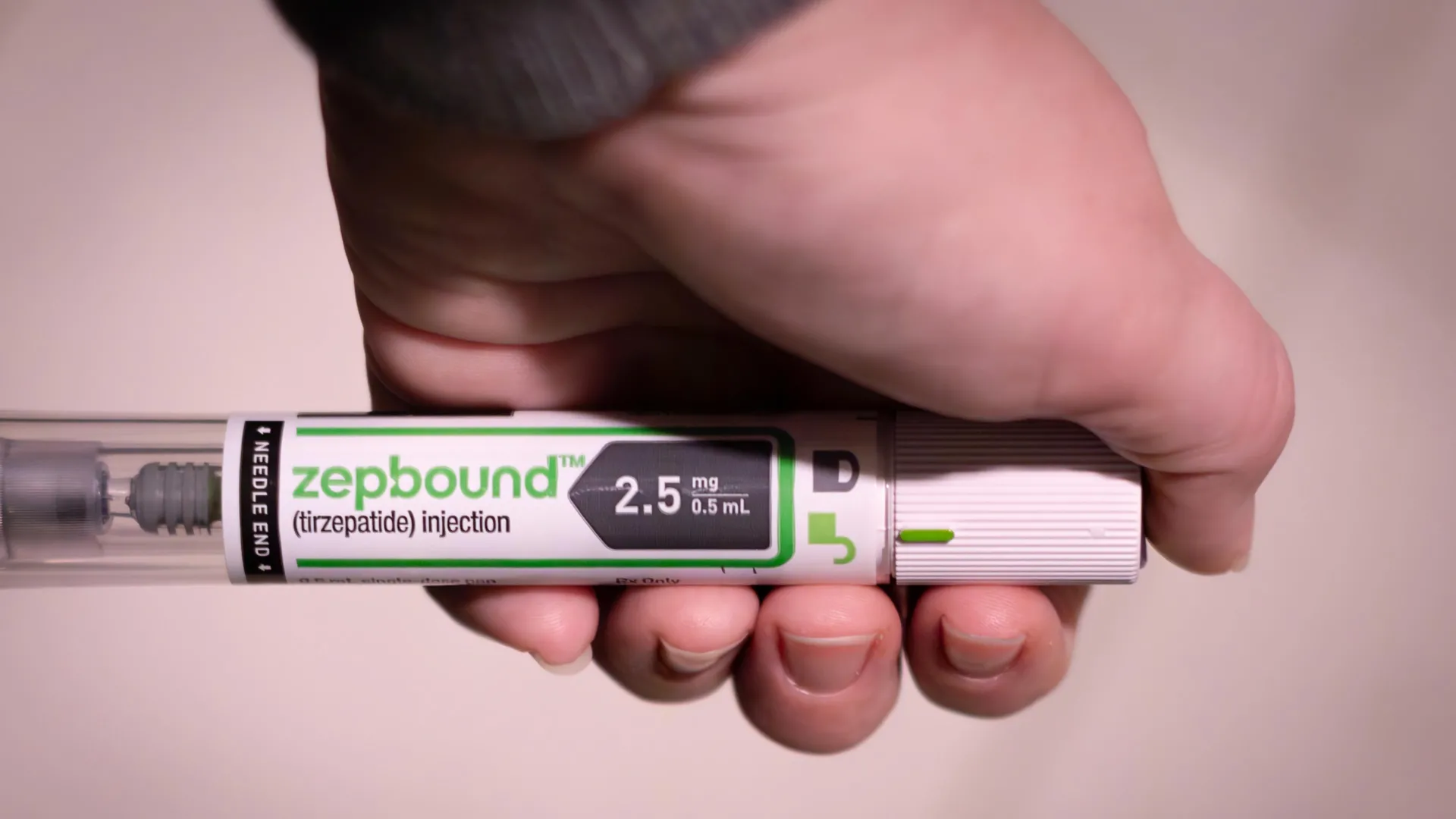
In the rapidly evolving landscape of metabolic medicine, few pharmacological breakthroughs have captured the global imagination quite like tirzepatide. Marketed under the brand name Mounjaro, this dual-receptor agonist has become a cornerstone in the management of obesity and type 2 diabetes. While its ability to curb appetite and induce significant weight loss is well-documented, a new study led by researchers at the University of Barcelona offers a compelling, deeper explanation for its efficacy. The findings suggest that tirzepatide may do more than just silence hunger; it may actively "reprogram" the body’s metabolism by stimulating brown adipose tissue (BAT), a specialized form of fat that functions as an energy-burning furnace.
The Dual-Action Mechanism: A New Era in Metabolic Care
To understand the significance of this discovery, one must first look at what distinguishes tirzepatide from its predecessors. Traditional weight-loss drugs often focused on a single pathway—typically mimicking the satiety-inducing hormone glucagon-like peptide-1 (GLP-1). Tirzepatide, however, represents a "dual-agonist" approach. It simultaneously targets the receptors for GLP-1 and glucose-dependent insulinotropic polypeptide (GIP).
This dual-hormone strategy is the primary driver behind the drug’s clinical success. By signaling to the brain to reduce caloric intake and simultaneously modulating insulin secretion, the drug creates a powerful metabolic synergy. However, clinicians and researchers have long suspected that the weight loss observed in patients could not be entirely attributed to the reduction in food consumption alone. The question remained: does the drug exert a direct, systemic effect on how the body utilizes energy?
Investigating the Metabolic "Hidden Variable"
The research team, led by Dr. Marion Peyrou—a Ramón y Cajal researcher at the Faculty of Biology and the Institute of Biomedicine of the University of Barcelona (IBUB), in collaboration with the Sant Joan de Déu Research Institute (IRSJD) and CIBEROBN—set out to isolate the metabolic effects of tirzepatide from the side effect of appetite suppression.
The study employed an experimental mouse model, a common gold standard for physiological research where precise control over variables is possible. The researchers fed obese mice a high-fat diet, inducing a metabolic state similar to human obesity. These mice were then treated with tirzepatide.
Crucially, the team introduced a control group: mice that were not given the drug but were restricted to the same amount of food as the treated group. This "pair-feeding" design was essential. By keeping caloric intake identical between the two groups, the researchers could definitively conclude that any physiological differences observed were a direct result of the medication’s chemical activity rather than the simple consequence of eating less.
The Discovery: Turning on the Internal Furnace
The results of the tissue analysis were striking. The researchers discovered that tirzepatide activated brown adipose tissue (BAT). Unlike white adipose tissue, which acts as the body’s energy reservoir—and often becomes a source of inflammation and metabolic distress in obesity—brown fat is metabolically active. Its primary function is thermogenesis: the process of burning calories to generate heat.
"This activation is associated with an increased capacity to burn metabolic energy and with the production of ‘batokines’—signaling molecules released by brown adipose tissue that are highly beneficial for overall metabolic health," explains Dr. Peyrou.
This discovery marks a shift in how we perceive the drug’s potential. If tirzepatide is indeed activating brown fat, it implies that the body is being prompted to consume its own fuel stores (glucose and fat) at an accelerated rate, independent of the volume of food consumed. This could explain why patients on tirzepatide often see profound improvements in blood glucose levels and lipid profiles that seem to outpace the rate of weight loss itself.
Historical Context: The Challenge of Brown Fat Activation
The activation of brown fat has been a "holy grail" for metabolic researchers for decades. Scientists have long hypothesized that if they could safely "switch on" these energy-burning tissues, they could treat obesity without requiring extreme caloric restriction.
However, historical efforts in this area have been fraught with failure. Previous pharmacological attempts to stimulate BAT often resulted in dangerous side effects, most notably adverse reactions in the cardiovascular system, such as elevated heart rate or blood pressure.
Tirzepatide appears to have bypassed this hurdle. "This drug not only reduces body weight, but also has beneficial effects on metabolism," says Dr. Peyrou. "Active brown adipose tissue burns glucose and fat within the body, which contributes to its positive effect in lowering blood glucose and fat levels. Unlike previous attempts, tirzepatide does not have the negative cardiovascular side effects associated with earlier BAT-activation strategies; in fact, it shows cardiovascular benefits."
Implications for Future Obesity Treatment
The implications of this research are vast, potentially changing the clinical approach to metabolic syndrome. If the findings are replicated in human clinical trials, it would reinforce the necessity of a multi-pronged approach to weight management. Rather than focusing solely on appetite suppression, future therapies may be designed to "re-tune" the body’s energy expenditure.
1. Moving Toward Personalized Medicine
One of the most exciting potential outcomes of this study is the prospect of personalized medicine. If researchers can identify which patient profiles—such as those with compromised energy expenditure—respond best to the BAT-activating properties of tirzepatide, clinicians could move toward a more tailored treatment plan. This would shift the focus from a "one-size-fits-all" weight loss goal to a comprehensive management strategy based on the patient’s overall metabolic status.
2. A Broader Therapeutic Strategy
The study supports the growing scientific consensus that obesity is not merely a behavioral issue related to calorie intake, but a complex physiological dysregulation. Treating it requires targeting several physiological processes at once. By addressing both appetite and energy expenditure, drugs like tirzepatide may provide a more robust solution for patients who have historically struggled to maintain weight loss through lifestyle changes alone.
A Word of Caution: The Translational Gap
While the results are undeniably promising, the research team remains professionally cautious. Translating findings from mice to humans is a notoriously complex process. Mouse metabolism, while a useful model, does not perfectly mirror the human system. Variations in adipose tissue distribution, hormonal regulation, and general physiological responses to medication mean that these results must be viewed as a critical "first step" rather than a definitive conclusion.
"As this is a study conducted on mice, we must be cautious," Dr. Peyrou emphasizes. "There may be significant differences between species in terms of metabolism regulation and response to drugs. We need more clinical evidence on the action of these drugs on fat tissue in humans to confirm these findings."
Looking Ahead
As the medical community continues to analyze the long-term impact of GLP-1 and GIP receptor agonists, this study provides a crucial piece of the puzzle. It invites a new conversation about the potential of these medications to act as metabolic regulators rather than just appetite suppressants.
For the millions of individuals living with obesity and type 2 diabetes, the hope is that this research will pave the way for more effective, sustainable, and personalized treatment options. By uncovering the mechanisms by which tirzepatide interacts with our internal biology, scientists are not just helping patients lose weight—they are helping them restore a healthier metabolic balance, one that is governed by the body’s own capacity to burn energy effectively.
As the research progresses toward human clinical observation, the goal remains clear: to transition from treating the symptoms of metabolic disease to correcting the fundamental biological processes that underlie it. The activation of brown fat may well be a key to that future.