





In the rapidly evolving landscape of oncology, Chimeric Antigen Receptor (CAR) T-cell therapy has emerged as a beacon of hope for patients with large B-cell lymphoma (LBCL). By reprogramming a patient’s own immune cells to identify and eradicate malignant cells, this "living drug" has turned once-terminal diagnoses into stories of remission. Yet, for a significant cohort of patients, this triumph is often temporary.
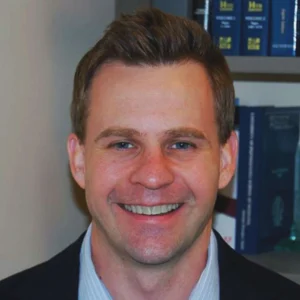
Dr. Sandeep Raj, a distinguished physician-scientist at the Memorial Sloan Kettering Cancer Center (MSKCC), is at the vanguard of a new movement to understand why these life-saving therapies falter. His research represents a critical pivot in hematology-oncology: moving beyond the initial excitement of CAR T-cell efficacy to address the biological "blind spots" that allow cancer to return.
The Reality of Treatment Failure
Despite the monumental success of CAR T-cell therapy, the statistics remain sobering. Approximately 50% of patients diagnosed with LBCL who undergo CAR T-cell treatment will eventually experience a recurrence.
"Roughly half of patients will see their cancer return, and we do not fully understand why," says Dr. Raj. This high rate of relapse is not merely a medical statistic; it is a clinical hurdle that defines the current limit of cellular immunotherapy. Dr. Raj’s work is centered on the hypothesis that the tumor microenvironment—the complex ecosystem of cells, molecules, and blood vessels surrounding a tumor—plays a more active role in "shielding" cancer cells than previously understood.
A Personal Mission: The Roots of a Physician-Scientist
For Dr. Raj, the drive to solve the puzzle of lymphoma is not merely academic; it is deeply personal. His commitment to the field was ignited during his formative years when a close family member was diagnosed with lymphoma.
He recalls the emotional turbulence of that period—the paralyzing anxiety and the overwhelming uncertainty that accompanies such a diagnosis. However, it was the conduct of the treating oncologist that proved transformative. The physician’s ability to combine "calm confidence" with "compassion and warmth" didn’t just guide his family member toward remission; it set the trajectory for Dr. Raj’s own career.
"I’ve always been led back to studying lymphoma, contributing toward finding a cure, and hoping that I can provide the same compassionate and thoughtful care my family once received," Dr. Raj reflects. This dual identity as a clinician and researcher informs his "bench-to-bedside" approach, ensuring that every laboratory breakthrough is filtered through the lens of patient quality of life.
The Mechanics of Resistance: Investigating the Immune Landscape
To understand why CAR T-cells stop working, Dr. Raj is focusing his investigation on the intricate interplay between the immune system and the tumor. His research program, supported by foundational grants, is examining how the immune environment might suppress the activity of the modified T-cells or, worse, provide a protective barrier that allows cancer cells to evade detection.
The Role of Inflammation
One of the most promising avenues of Dr. Raj’s research involves the prophylactic use of anti-inflammatory and antiviral medications. The theory is that the immune system, in its attempt to regulate the powerful response generated by CAR T-cells, may inadvertently dampen their effectiveness. By identifying which patients are at the highest risk of treatment failure, Dr. Raj hopes to implement "pre-emptive" strategies. These interventions could theoretically reshape the immune environment, creating a more hospitable landscape for CAR T-cells to function optimally and sustain their attack on the malignancy.
Quantitative Biology and Clinical Innovation
Dr. Raj’s laboratory utilizes a multidisciplinary framework that merges quantitative biology with cancer immunology. By analyzing massive datasets derived from patient blood samples and tumor biopsies, he is building predictive models that can flag potential relapse before it manifests clinically. This is the essence of "precision oncology"—moving away from a one-size-fits-all approach toward a personalized protocol based on the patient’s unique biological signature.
A Chronology of Progress: From Bench to Bedside
The advancement of CAR T-cell therapy has been a journey of decades, and Dr. Raj’s current work stands as the latest chapter in this evolution:
- Early 2010s: The initial success of CAR T-cell trials proves that synthetic receptors can successfully target CD19-positive lymphoma cells.
- Mid-2010s: FDA approvals for commercial CAR T-cell products bring the therapy into standard practice for LBCL.
- Late 2010s: Clinical data confirms that while many achieve remission, long-term durability remains elusive for half of the patient population.
- 2020s: Physician-scientists like Dr. Raj begin the transition from "broad application" to "mechanism-based improvement," focusing on the tumor microenvironment and immune modulation.
- Present Day: Dr. Raj’s multidisciplinary research program at MSKCC aims to integrate digital data analysis with real-time patient care, establishing a feedback loop that informs future clinical trials.
Implications for Future Oncology
The implications of Dr. Raj’s work extend far beyond the specific treatment of LBCL. By unraveling the mechanisms of CAR T-cell resistance, he is contributing to a foundational understanding of how cellular therapies interact with the human body.
Shaping the Future of Care
If Dr. Raj’s team successfully identifies the biomarkers that predict failure, the paradigm of care will shift significantly. Patients identified as high-risk could receive secondary, supportive therapies alongside their CAR T-cell infusion, potentially preventing relapse before it ever begins. This would represent a monumental shift from reactive to proactive cancer care.
The Power of Multidisciplinary Research
Dr. Raj emphasizes that the complexity of modern cancer care requires a team-based approach. "It is an absolute privilege to be able to work at the intersection of quantitative biology, cancer immunology, and cellular therapy," he notes. By fostering collaboration between computational scientists, immunologists, and clinicians, he is proving that the next breakthrough in cancer research will not come from a single discipline, but from the gaps between them.
A Call to Action for the Scientific Community
The support of the Lymphoma Foundation and other research bodies has been instrumental in allowing Dr. Raj to scale his vision. His program is designed to be cyclical: insights from the computer inform the laboratory experiments, which are then refined at the bedside, with the resulting data flowing back into the system to refine the models.
This "computer-to-lab-to-bedside" loop is the gold standard for 21st-century medicine. As the field moves forward, the success of these treatments will depend on the ability of researchers to listen to the patients who experience both the triumph of remission and the tragedy of relapse.
Final Reflections: The Human Element
Despite the high-tech nature of his work, Dr. Raj remains grounded in the human experience. He understands that for the patient, the "data" in his models represents a life, a family, and a future. His commitment to bringing the same compassion he witnessed in his own family’s journey to his patients is what drives his rigorous research schedule.
As he continues to push the boundaries of what is possible in the treatment of LBCL, Dr. Raj stands as a testament to the power of the physician-scientist. In the silence of the laboratory and the activity of the clinic, he is searching for the key to unlocking the full potential of immunotherapy—ensuring that for more patients, the first treatment is the only treatment they ever need.
In the final analysis, Dr. Raj’s work is not just about extending lives; it is about restoring the quality of life, removing the fear of recurrence, and ensuring that the promise of the "cancer cure" is a reality for everyone, not just the lucky few.