









In the high-stakes world of emergency cardiology, time is the ultimate arbiter of survival. When a heart attack strikes, medical intervention is traditionally focused on a singular goal: clearing the blockage. Yet, even after blood flow is restored, the aftermath often leaves the heart muscle irreparably scarred, setting the stage for a slow, debilitating decline into congestive heart failure. Now, a pioneering development from the University of California San Diego (UCSD) promises to shift the paradigm from mere damage control to active, systemic regeneration.
Bioengineers and physicians have developed an injectable, intravascular biomaterial capable of traveling through the bloodstream to target and repair damaged tissue from the inside out. This innovative therapy, which has shown significant promise in both rodent and porcine models, represents a leap forward in regenerative medicine, offering a potential lifeline for patients suffering from myocardial infarction and, potentially, a host of other inflammatory conditions.
The Challenge of the Scar: Why Current Treatments Fall Short
Heart attacks, or acute myocardial infarctions, affect approximately 785,000 Americans annually. The biological tragedy of a heart attack is not just the initial loss of oxygen, but the body’s subsequent, imperfect healing process. When cardiac tissue dies, the body replaces it with non-contractile scar tissue. Unlike healthy heart muscle, which beats in a coordinated, rhythmic fashion, scar tissue is inert and rigid. Over months and years, this accumulation of "dead weight" forces the heart to work harder, eventually leading to the structural remodeling and weakening that characterizes chronic heart failure.
Currently, the medical establishment is remarkably limited in how it treats this damage. "Coronary artery disease, acute myocardial infarction, and congestive heart failure continue to be the most burdensome public health problems affecting our society today," notes Dr. Ryan R. Reeves, a physician in the UC San Diego Division of Cardiovascular Medicine. "As an interventional cardiologist, who treats patients with coronary artery disease and congestive heart failure on a daily basis, I would love to have another therapy to improve patient outcomes and reduce debilitating symptoms."
Standard care focuses on "revascularization"—the restoration of blood flow via angioplasty or bypass surgery. While life-saving, these procedures address the plumbing, not the tissue damage. Until now, there has been no clinically established therapy that directly repairs the damaged cardiac architecture.
A Chronology of Innovation: From Catheters to Nanoparticles
The roots of this breakthrough lie in a decade of research into the extracellular matrix (ECM)—the natural scaffolding that supports cells within the body.
The First Generation: VentriGel
Under the leadership of Professor Karen Christman, the UCSD team initially pioneered a hydrogel derived from decellularized cardiac tissue. This material, dubbed "VentriGel," was designed to be injected directly into the heart muscle via a catheter. It provided a supportive environment for new cell growth, essentially acting as a biological patch.
In 2019, the team reported the results of a successful Phase 1 clinical trial. The study confirmed that direct intramyocardial injection was safe and feasible in patients with post-heart attack left ventricular dysfunction. However, the team identified a critical bottleneck: direct injection requires a needle-based procedure into the heart muscle itself, which is invasive and carries inherent risks, particularly in the immediate aftermath of a heart attack when the tissue is most fragile.
The Pivot: Intravascular Delivery
Recognizing these limitations, the team began to rethink the delivery mechanism. If they could not bring the gel to the heart through a needle, could they use the body’s existing highway—the bloodstream—to deliver the repair material?
The research path shifted toward creating a material that could be infused through a coronary artery or an IV line. This required a fundamental redesign of the hydrogel’s physical properties. The original VentriGel contained particles too large to circulate effectively or penetrate damaged microvasculature. By utilizing centrifuge processing to isolate nano-sized particles and subsequently freeze-drying the material into a powder, the team created a version that could be reconstituted with sterile water and infused intravenously.
The Mechanism: Closing the Gaps
The 2022 study published in Nature Biomedical Engineering revealed a surprising biological interaction. The researchers hypothesized that the material would simply permeate the leaky, inflamed blood vessels surrounding an injured heart. Instead, they discovered a more active healing process.
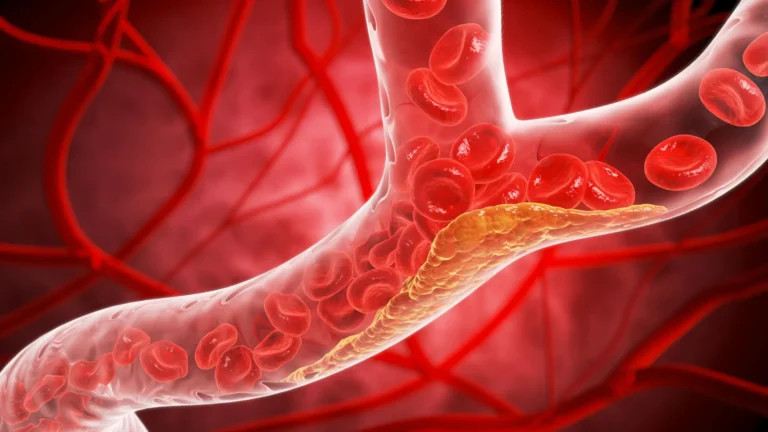
The biomaterial appeared to "bind" to the endothelial cells—the cells that line the blood vessels—helping to seal the gaps that form after an injury. By stabilizing these vessels, the material reduced inflammation, which is a primary driver of ongoing tissue destruction. This "smart" localization allows the biomaterial to reach areas that are otherwise physically unreachable by surgeons.
Supporting Data: Evidence of Repair
The efficacy of the material was validated across multiple animal models. In both rats and pigs, researchers observed:
- Improved Hemodynamics: Reductions in left ventricular volumes, suggesting the heart was not dilating or weakening as severely as the control groups.
- Enhanced Wall Motion: Improved mechanical movement of the heart muscle, a key indicator of functional recovery.
- Gene Expression Shifts: Molecular analysis revealed changes in gene activity associated with active tissue repair and anti-inflammatory signaling.
This was further bolstered by a 2025 study published in Nature Communications, which used advanced spatial transcriptomics and single-nucleus RNA sequencing to map the healing process. The research confirmed that these ECM-based biomaterials trigger a cascade of "pro-repair" signals, including immune modulation, the growth of new lymphatic and blood vessels, and the promotion of myocardial salvage.
Official Responses and Clinical Outlook
The research team, led by Professor Christman, remains optimistic about the transition to human trials. While the intravascular biomaterial is still in the experimental phase, the foundational science behind ECM therapies is already advancing.
"This biomaterial allows for treating damaged tissue from the inside out," said Karen Christman, a professor of bioengineering at UC San Diego and lead developer of the technology. "It’s a new approach to regenerative engineering."
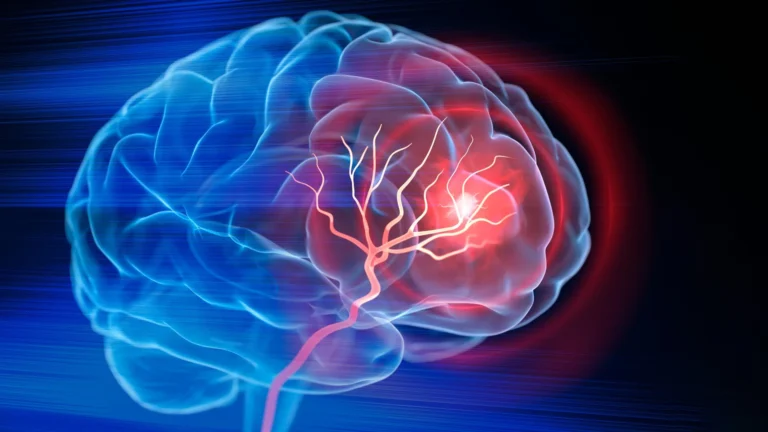
The potential utility of this approach is not limited to the heart. Because the material relies on the bloodstream for delivery, it could theoretically be used to treat any organ with vascular access. Preliminary experiments have already indicated potential applications for traumatic brain injury and pulmonary arterial hypertension, conditions where direct surgical intervention is often impossible or high-risk.
Ventrix Bio, Inc., the startup co-founded by Christman, is currently working to advance these technologies. While they have recently focused on clinical trials for VentriGel in pediatric patients with hypoplastic left heart syndrome, the data gathered from these studies will likely inform the regulatory pathway for the intravascular infusion material.
The Path Forward: Implications for Medicine
The implications of an injectable regenerative therapy are profound. If successful in human trials, this approach would represent a seismic shift in how we manage heart disease.
- Reduced Invasiveness: By utilizing IV infusion or existing stenting procedures, the therapy could be administered during the same session as a standard angioplasty, sparing patients from additional surgeries.
- Broad Applicability: Because the material targets the inflammatory response—a common denominator in many severe illnesses—the platform could potentially address diseases of the lungs, brain, and beyond.
- Preventative Potential: By mitigating the formation of scar tissue immediately after an event, the therapy could prevent the long-term, irreversible progression to heart failure, potentially saving the healthcare system billions in long-term chronic care costs.
"One major reason we treat severe coronary artery disease and myocardial infarction is to prevent left ventricular dysfunction and progression to congestive heart failure," Dr. Reeves stated. "This easy-to-administer therapy has the potential to play a significant role in our treatment approach."
As the team prepares to seek FDA authorization for clinical testing of the intravascular material, the medical community watches with cautious optimism. If the translation from animal models to human patients proves successful, the "inside-out" approach may soon become a cornerstone of regenerative medicine, turning the tide on the aftermath of cardiac emergencies and offering hope where there was once only the inevitability of a failing heart.