








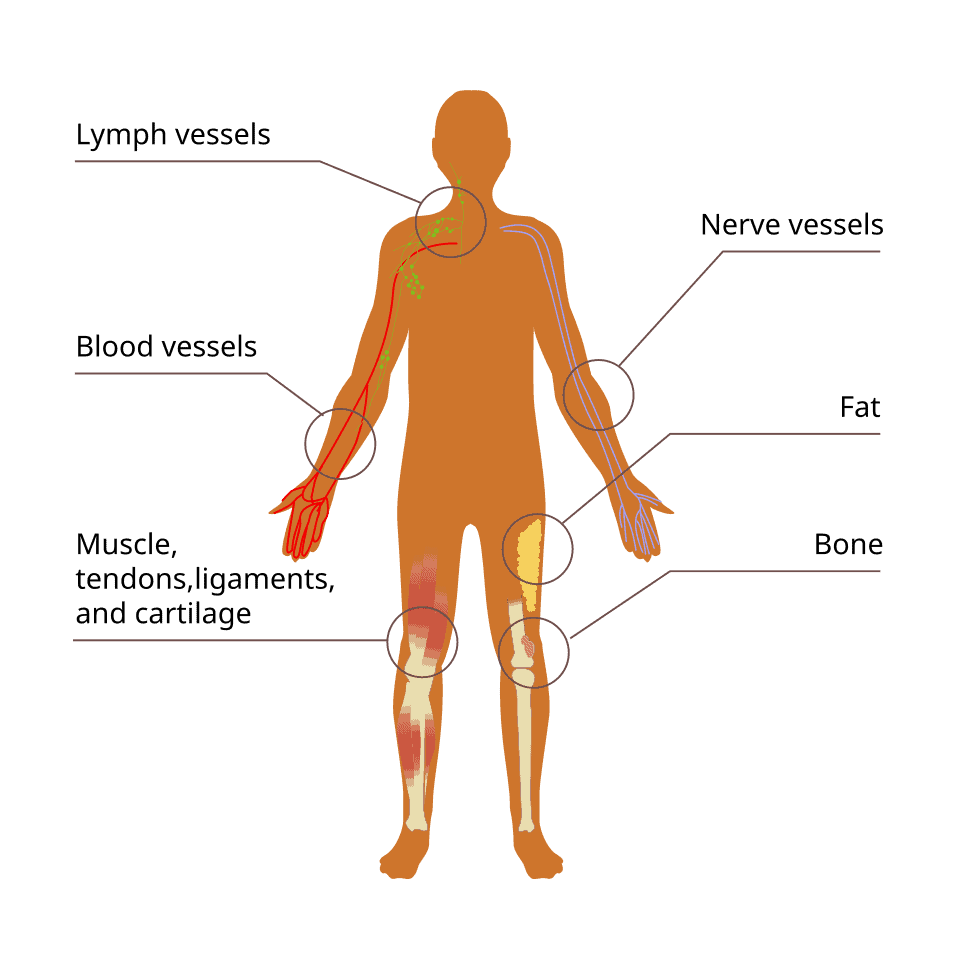
A diagnosis of sarcoma is an encounter with the rare, the complex, and the unknown. Unlike carcinomas, which arise in the epithelial cells of organs like the lungs or breasts, sarcomas emerge from the body’s connective and supportive tissues—bone, muscle, fat, tendons, and blood vessels. Because these tissues are distributed throughout the entire human anatomy, a sarcoma can manifest almost anywhere, making it a uniquely challenging diagnostic and therapeutic puzzle.
While surgery, chemotherapy, and radiation remain the gold standards of care, these traditional modalities often hit a ceiling of efficacy. However, as we observe Sarcoma Awareness Month, the medical community is witnessing a paradigm shift. Immunotherapy—a revolutionary class of treatments that empowers the body’s own immune system to identify and eradicate malignant cells—is beginning to redraw the map of what is possible for patients.
The Nature of the Beast: Understanding Sarcoma
Sarcoma is not a single disease; it is an umbrella term for more than 70 distinct subtypes, broadly categorized into soft-tissue sarcomas and bone sarcomas (osteosarcomas). Each subtype possesses a unique genetic signature, biological behavior, and clinical trajectory. This heterogeneity is the primary reason why a "one-size-fits-all" approach to treatment is fundamentally impossible in the context of sarcoma.
The Diagnostic Challenge
The clinical presentation of sarcoma is notoriously deceptive. Because these tumors frequently develop deep within the body’s structural tissues, they often remain asymptomatic until they have reached a significant size. Medical professionals advise that any new, unexplained lump—particularly one that is growing, persistent, or larger than a golf ball—should be subjected to rigorous diagnostic evaluation. While the vast majority of such masses are benign, the window for effective surgical intervention in malignant cases is often narrow.
Risk Factors and Genetic Complexity
While the etiology of most sarcomas remains shrouded in mystery, epidemiological research has identified several contributing factors. These include:
- Genetic Predisposition: Inherited syndromes, such as Li-Fraumeni syndrome, can significantly elevate risk.
- Radiation Exposure: Previous therapeutic radiation for unrelated cancers can, in rare instances, induce secondary sarcomas years later.
- Chemical Exposure: Certain industrial chemicals and herbicides have been correlated with increased incidence.
- Chronic Lymphedema: Long-term swelling can occasionally provide the environment for specific rare sarcomas to emerge.
The Historical Genesis: From "Coley’s Toxins" to Modern Precision
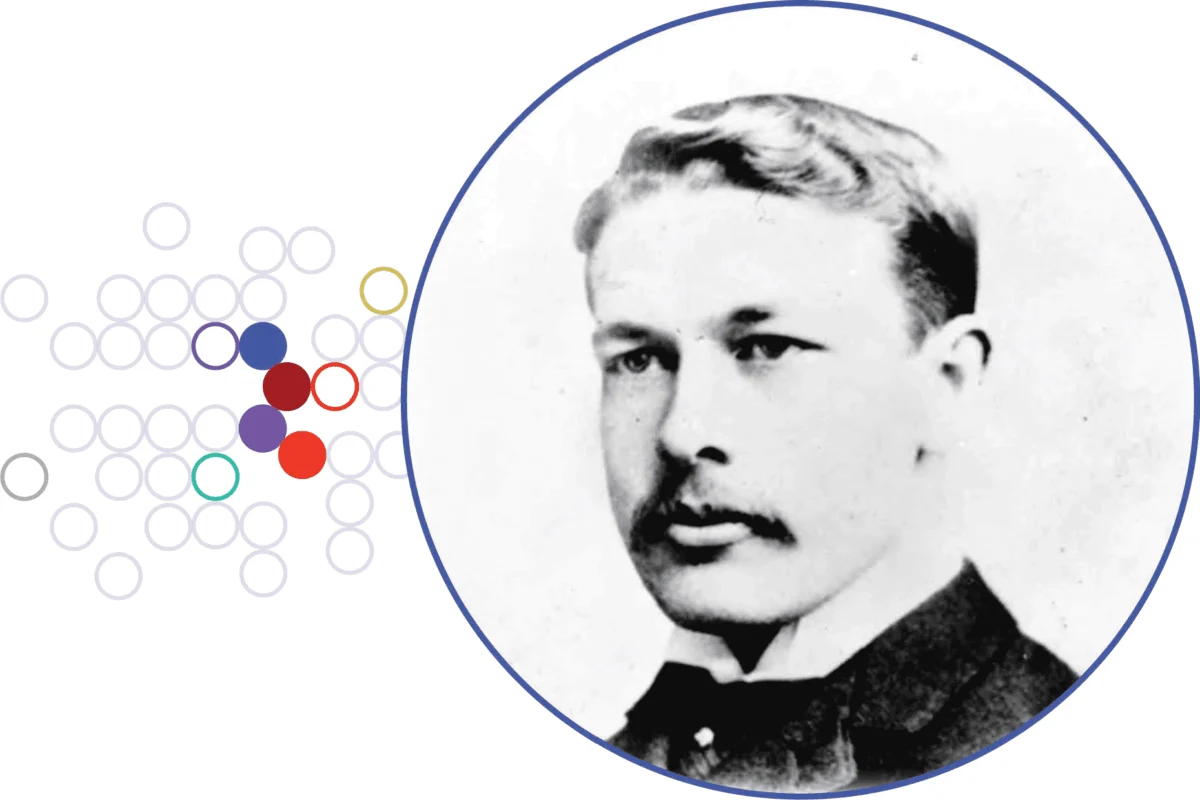
In a remarkable historical irony, the roots of modern cancer immunotherapy are inextricably linked to sarcoma. In the late 19th century, Dr. William B. Coley, a New York surgeon, observed a patient whose sarcoma appeared to regress after an acute bacterial infection. Recognizing a potential link between the immune response to infection and tumor suppression, Dr. Coley began injecting patients with "Coley’s toxins"—a mixture of killed bacteria—to stimulate the immune system.
Though his methods were primitive by modern standards and eventually overshadowed by the rise of radiation and chemotherapy, Dr. Coley’s work was fundamentally correct. It established the bedrock principle that the immune system, if properly coached, could be a potent anti-cancer weapon. His legacy lives on today through the Cancer Research Institute (CRI), which continues to champion the immunotherapy approaches he first envisioned over a century ago.
Immunotherapy: Unleashing the Immune System
At its core, immunotherapy acts as a "molecular flashlight." Cancer cells are experts at camouflage; they often produce proteins that effectively hide them from T-cells, or they secrete signals that cause immune cells to "switch off." Immunotherapy removes these deceptive barriers.
Mechanisms of Action
The current immunotherapy landscape includes several key strategies:
- Checkpoint Inhibitors: These drugs block the "brakes" (checkpoints) that cancer cells use to turn off the immune system, effectively keeping the immune response in the "on" position.
- Adoptive Cell Therapy: This involves extracting a patient’s T-cells, engineering them in a laboratory to better recognize specific tumor markers, and re-infusing them into the patient.
- Cancer Vaccines: These aim to train the immune system to recognize specific tumor-associated antigens.
The Challenge of Heterogeneity
Despite its success in cancers like melanoma or lung cancer, immunotherapy faces a steeper climb in the sarcoma space. Because sarcoma subtypes vary so wildly in their "immunogenicity"—how easily the immune system can "see" them—many patients do not respond to standard checkpoint inhibitors. Consequently, current FDA approvals for immunotherapy in sarcoma are limited to specific subtypes or tumors with particular genetic markers, such as those with high tumor mutational burden or specific protein expression levels.
Ongoing Research and the Road Ahead
The scientific community is currently in an era of rapid expansion. Researchers are moving beyond single-agent therapies to investigate synergistic combinations.
Combining Modalities
One of the most promising areas of study involves the "priming" of tumors. Scientists are testing whether traditional treatments like radiation can act as a catalyst for immunotherapy. By damaging the tumor cells, radiation can release neoantigens that alert the immune system, effectively acting as an "in-situ vaccine" that allows subsequent immunotherapy agents to work more effectively.
CRI-Funded Breakthroughs
Scientists funded by the Cancer Research Institute are currently exploring:
- CAR-T Cell Therapy for Solid Tumors: Adapting successful blood-cancer therapies to target the specific physical microenvironments of sarcomas.
- Microenvironment Modulation: Researching ways to alter the "tumor microenvironment"—the area surrounding the tumor—which is often hostile to immune cells, to make it more receptive to attack.
- Biomarker Discovery: Developing advanced diagnostic tools that can predict which patients will respond to immunotherapy before treatment begins, saving time and avoiding unnecessary side effects.
Implications for Patients: A New Standard of Care
The evolving nature of these treatments has significant implications for patients and their families. The days of accepting a "one-size-fits-all" treatment plan are waning.
The Importance of Specialized Care
For those facing a sarcoma diagnosis, the first step is seeking care at a center of excellence. Sarcoma is a rare disease; therefore, oncologists who specialize in this specific field are far more likely to be aware of the latest clinical trials and immunotherapy protocols.
Advocacy and Clinical Trials
Clinical trials represent the vanguard of cancer research. They offer patients access to the latest breakthroughs—such as novel combination therapies—while simultaneously contributing to the global body of knowledge that will eventually turn sarcoma into a manageable or curable condition. Patients are encouraged to engage in proactive dialogue with their medical teams:
- "Is my tumor profile eligible for immunotherapy?"
- "Are there open clinical trials for my specific subtype?"
- "What are the genetic markers of my tumor that might guide treatment selection?"
Conclusion
While the journey through a sarcoma diagnosis remains fraught with uncertainty, the landscape is shifting from one of limited options to one of burgeoning potential. The historical bridge built by Dr. William B. Coley has led us to a future where the immune system is a central pillar of cancer treatment. As research continues to unravel the complexities of these 70+ distinct diseases, the goal remains clear: to ensure that for every patient, regardless of their diagnosis, the immune system can be empowered to mount an effective defense.
By prioritizing early detection, seeking specialized care, and staying informed about the rapid advancements in immunotherapy, patients and their families are not just surviving—they are participating in the next great chapter of oncology. The fight against sarcoma is no longer just about the drugs we use; it is about the biology we are learning to command.