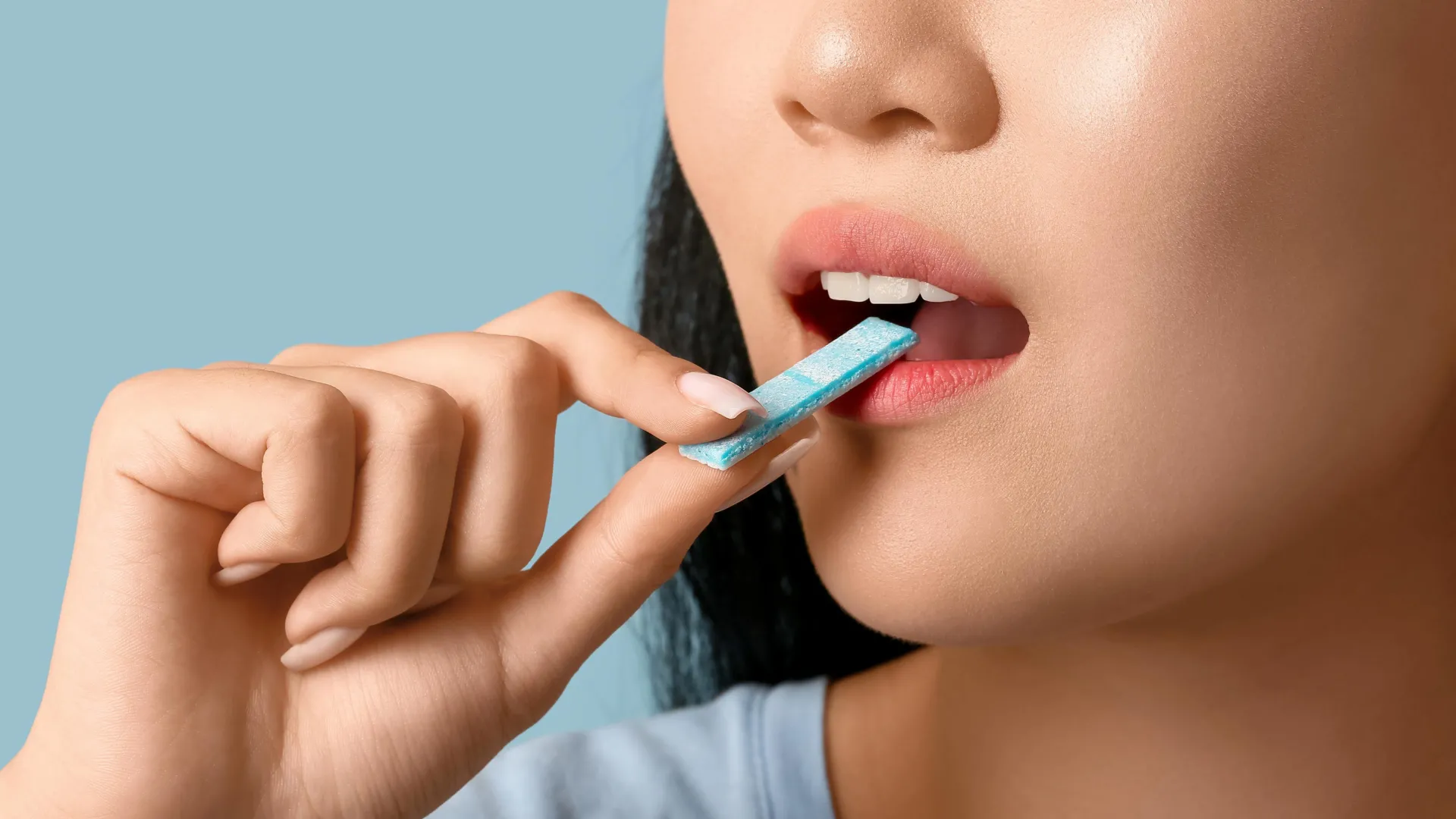
In a surprising intersection of culinary habits and cardiovascular physiology, researchers at King’s College London have identified an unconventional link between the consumption of sugary gum and the body’s ability to process dietary nitrates. The study, published in the British Journal of Clinical Pharmacology, suggests that the acidity levels in the mouth—often influenced by what we eat and chew—play a pivotal, previously underestimated role in how we derive blood-pressure-lowering benefits from nitrate-rich vegetables like beetroot, spinach, and kale.
While the findings are scientifically significant, they come with a major caveat: this is not a medical recommendation to increase sugar intake. Instead, the research offers a "proof of concept" that could eventually lead to new, health-conscious ways to optimize how the human body processes the vital nutrients found in plant-based diets.
The Nitrate-Nitrite Pathway: A Biological Engine
To understand the significance of this discovery, one must first look at the body’s internal chemistry. Dietary nitrate, which accumulates in vegetables from the soil, is essentially "inactive" when first ingested. To unlock its cardiovascular benefits, it must be converted into nitrite.
This process begins in the mouth. Oral bacteria act as a biological factory, reducing nitrate into nitrite. Once swallowed, this nitrite enters the bloodstream and helps the body produce nitric oxide, a signaling molecule that relaxes and widens blood vessels—a process known as vasodilation. Improved blood flow and relaxed vessels are key factors in maintaining healthy blood pressure levels.
For years, the scientific community has sought to understand how to make this conversion more efficient. If the conversion process is sluggish, the body misses out on the full cardiovascular potential of a nitrate-rich meal. Researchers hypothesized that the pH level of the oral cavity—its acidity—might act as a biological switch, either accelerating or hindering the bacterial conversion process.
Chronology of a Discovery: The Beetroot and Gum Study
The research team, led by Dr. Andrew Webb, Clinical Senior Lecturer in the School of Cardiovascular & Metabolic Medicine & Sciences at King’s College London, designed a crossover study to test the impact of oral acidity on nitrate metabolism.
The Methodology
The study recruited healthy volunteers to participate in two separate sessions, separated by a one-week washout period. In each session, participants consumed a shot of beetroot juice—a concentrated source of dietary nitrate. Immediately following the juice, participants were assigned to chew either a sugar-containing gum (Hubba Bubba®) or a sugar-free gum (Wrigley’s Extra®).
The chewing period lasted between three and six hours. Throughout this duration, the research team conducted a rigorous monitoring process:
- Sampling: Frequent collection of blood and saliva samples to track the concentration of nitrate and nitrite.
- Hemodynamic Monitoring: Continuous tracking of blood pressure levels to observe immediate physiological responses.
The Findings
The results were stark. The group chewing the sugar-containing gum experienced a measurable change in their oral environment. The sugary gum lowered the pH of the saliva by an average of 1.4 points, creating a more acidic environment.
This shift in acidity yielded impressive results:
- Increased Conversion: The acidic environment triggered a 45% increase in nitrite levels within the mouth.
- Systemic Uptake: This translated to a 25% increase in the amount of nitrite circulating throughout the body.
- Blood Pressure Reduction: The physiological impact was tangible. Participants chewing the sugary gum saw their systolic blood pressure drop by nearly 3 mmHg, while diastolic blood pressure fell by almost 2 mmHg compared to those using sugar-free alternatives.
Data Analysis: Why Sugar Matters
The study addresses a fundamental question that had been largely ignored in previous literature. Dr. Webb noted, "Whether and how the acidity of the saliva in the mouth impacts the conversion of the inactive nitrate to the more active nitrite is a fundamental question, as it impacts a range of important physiological functions including blood pressure."
While previous research had often focused on the negative effects of acidity—most studies suggesting that acidity inhibits nitrate conversion—this investigation looked at the "whole-body" effect over several hours.
The researchers noted that the sugar-containing gum was particularly effective because it remains in the mouth for an extended period, continuously influencing the oral pH. This provides a constant, localized environment that favors the bacterial conversion of nitrate. Interestingly, this aligns with the historical culinary tradition of following a main course of nitrate-rich vegetables with a sweet dessert—an accidental, age-old health hack that may have been boosting cardiovascular health for generations.
Official Responses and Scientific Context
The research team was careful to temper the excitement of the findings with clear warnings regarding metabolic health.
"The effects were only short-term, lasting several hours, and long-term use of sugar-containing products would not be recommended for dental health," Dr. Webb stated. The team emphasized that sugar consumption is linked to dental decay and various metabolic issues, making the use of sugary gum an impractical and unhealthy long-term strategy for blood pressure management.
Dr. Charlotte Mills, co-author of the study from the University of Reading, underscored the importance of the study as a developmental milestone rather than a dietary prescription.
"We are certainly not suggesting that people should start chewing sugary gum regularly," Dr. Mills clarified. "Frequent sugar consumption is harmful for dental health and is also detrimental to cardiometabolic health when consumed in excess. Instead, our findings provide a proof of concept that we may be able to improve how the body processes dietary nitrate."
The goal, according to Dr. Mills, is to move beyond the sugar-based method and identify "tooth-friendly, metabolically sound" alternatives that can achieve the same acidification of the oral cavity without the side effects of sugar.
Future Implications: The Athlete’s Edge
Perhaps the most immediate practical application of this research lies in the world of professional sports. Dietary nitrate is already a well-established ergogenic aid—a substance that enhances performance—used by endurance athletes to improve oxygen efficiency and exercise tolerance.
If researchers can determine a way to optimize the conversion of nitrate to nitrite using a non-sugary, safe additive, it could significantly boost the efficacy of nitrate-rich pre-workout supplements. By manipulating the oral environment, athletes could potentially extract more "bang for their buck" from the same amount of beetroot juice.
The research team is already looking toward the next phase of the project: a larger-scale study focusing specifically on athletes. This study will examine whether the blood-pressure-lowering effects and the metabolic improvements observed in the initial trial translate into measurable improvements in exercise performance.
Conclusion: A New Frontier in Nutrient Optimization
The King’s College London study serves as a fascinating reminder of the complexity of the human microbiome. The bacteria residing in our mouths are not mere bystanders; they are active participants in our metabolic health, capable of transforming the food we eat into powerful physiological agents.
While we should not rush to the store to buy sugary gum for our heart health, the discovery marks a vital shift in nutritional science. By understanding the "how" and "why" of nutrient conversion, researchers are moving closer to personalized, highly efficient dietary strategies.
As Dr. Mills concluded, "The challenge now is to identify alternative strategies that are both effective and appropriate for long-term use." Until such a solution is found, the study stands as a testament to the power of basic science in revealing the hidden mechanisms that keep us healthy—and the potential for future innovation to make those benefits accessible to everyone, without the sugar.