






In an era defined by rapid technological advancement and often overwhelming lifestyle stressors, the pursuit of holistic well-being has never been more critical. As we transition into 2024, the Department of Nutrition at the Harvard T.H. Chan School of Public Health has released its highly anticipated fourth edition of the Healthy Living Guide. This year’s publication serves as a bridge between rigorous scientific inquiry and practical, daily application, emphasizing that our health is not merely a personal endeavor, but a reflection of our connection to the broader environment.
Guided by the philosophical resonance of Thich Nhat Hanh—who famously remarked, “The apple in your hand is the body of the cosmos”—this year’s edition marks a pivotal shift in how we conceptualize nutrition and lifestyle. It invites readers to view their daily habits not just as maintenance, but as an active engagement with planetary health.
Main Facts: A Holistic Blueprint for the New Year
The 2023–2024 Healthy Living Guide acts as a centralized repository for the latest evidence-based insights into human longevity and vitality. At its core, the guide is structured around three non-negotiable pillars of health: Nutrition, Physical Activity, and Sleep.
The Integration of Mindfulness
The defining feature of this year’s release is the explicit integration of mindfulness. This follows the landmark launch of the Thich Nhat Hanh Center for Mindfulness in Public Health. Unlike previous iterations that focused primarily on physiological outcomes, this guide bridges the gap between internal awareness and external health. By practicing "mindful eating," individuals are encouraged to recognize the origin of their food, the ethics of its production, and the physiological response their bodies exhibit during consumption.
A Data-Driven Approach
The guide provides more than just lifestyle "hacks"; it offers a roadmap grounded in longitudinal research. From analyzing the neurological impacts of ultra-processed foods to deconstructing the science of circadian rhythms, the 2023–2024 edition provides a comprehensive look at how modern life influences biological systems. It is designed as a downloadable, printable resource, ensuring that these insights remain accessible to individuals regardless of their digital connectivity.
Chronology: The Evolution of the Guide
The trajectory of the Healthy Living Guide mirrors the evolving priorities of public health science over the last four years.
- 2020–2021 (The Foundation): The inaugural edition was released during a period of global upheaval. The primary focus was on establishing fundamental nutritional guidelines and stress-management techniques to navigate a global pandemic.
- 2021–2022 (Expansion): As the world began to stabilize, the guide expanded its scope to include mental health, recognizing that physical nutrition is inextricably linked to cognitive well-being.
- 2022–2023 (Refinement): This period saw the introduction of specific "knowledge check" quizzes and deeper dives into the correlation between diet quality and chronic disease prevention.
- 2023–2024 (Synthesis): The current edition marks a shift toward systemic health. It highlights the work of the newly established Thich Nhat Hanh Center, focusing on how mindfulness can be scaled to benefit population-level public health.
Supporting Data: Examining the Research Pillars
The Healthy Living Guide is bolstered by recent, peer-reviewed findings that challenge conventional wisdom and highlight the complexity of human health.
1. The Ultra-Processed Food (UPF) Crisis
One of the most significant sections of the guide addresses the rise of ultra-processed foods. Recent data highlighted in the guide suggests that the consumption of these products is not merely a matter of caloric excess, but a direct contributor to inflammation and cognitive decline. Research cited indicates that high intake of UPFs disrupts gut-brain signaling, leading to dysregulated satiety hormones.
2. Physical Activity: The Zumba Phenomenon
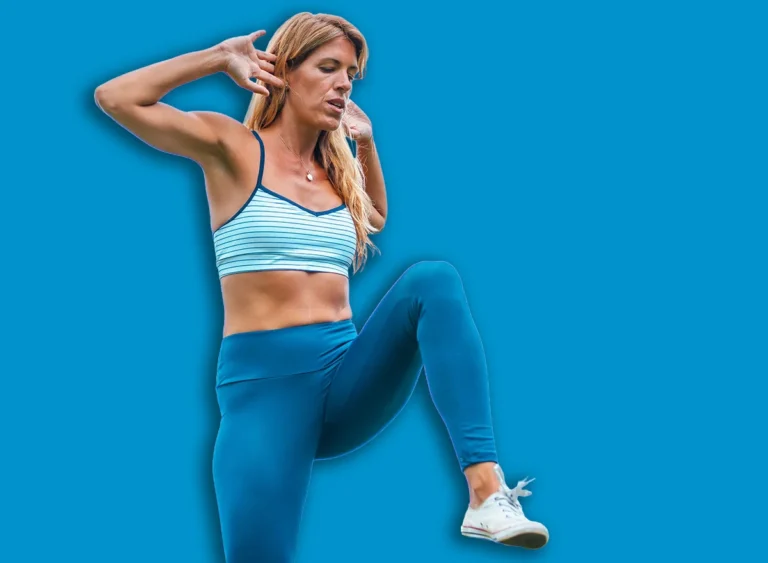
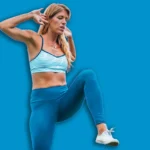
The guide moves beyond traditional recommendations for aerobic exercise. It highlights the emerging evidence that "social-rhythmic" exercise, such as Zumba, provides unique benefits. By combining cardiovascular exertion with rhythmic music and social engagement, these activities stimulate neuroplasticity in ways that solitary treadmill workouts may not.
3. Chronobiology and Sleep Architecture
The 2023–2024 guide provides a fascinating deep dive into "chronotypes"—the biological predisposition to wakefulness or sleepiness at specific times. The research emphasizes that forcing a "night owl" into a rigid "early bird" schedule can lead to significant metabolic disruption. The guide suggests that aligning work and social schedules with one’s natural circadian rhythm is a key, yet underutilized, strategy for metabolic health.
Official Responses: The Philosophy of the Thich Nhat Hanh Center
The establishment of the Thich Nhat Hanh Center for Mindfulness in Public Health represents an institutional commitment to addressing the "silent epidemic" of modern stress. Officials from the Department of Nutrition have articulated a vision that moves beyond individual health.
"We are looking at mindfulness not as a luxury or a meditative practice for the few, but as a public health intervention," says a spokesperson for the Department. "When we apply mindfulness to the food system, we are considering the environmental cost of agriculture, the labor practices involved in food production, and the nutritional impact on the consumer. The ‘apple’ is indeed the cosmos; when we nourish ourselves, we are participating in a global ecosystem."
This response signals a move away from the reductive "calories in, calories out" model of the early 21st century toward a more sophisticated, ecological approach to human biology.
Implications: A New Era of Health Advocacy
The release of this guide carries profound implications for both individual health seekers and public policy makers.
For the Individual
The primary implication is one of empowerment. By providing printable tip sheets and actionable summaries, the guide reduces the "barrier to entry" for healthy living. Readers are encouraged to start small—perhaps by adjusting their sleep environment based on their chronotype or by practicing one session of mindful eating per day. The guide rejects the "all-or-nothing" mentality, advocating for sustainable, long-term habit formation.
For the Public Health Sector
The focus on "population-level" mindfulness suggests a shifting paradigm in health policy. If the Harvard research continues to yield positive results regarding the impact of mindfulness on large groups, we may see a transition in how public health messaging is delivered. Rather than simply issuing warnings about "bad" foods, health organizations might shift toward teaching the public how to engage with their food environment more intentionally.
The Planetary Connection
Perhaps the most significant implication is the alignment of personal health with planetary health. As the climate crisis intensifies, the Healthy Living Guide argues that a diet centered on whole, minimally processed, and mindfully sourced foods is the single most effective action an individual can take for the planet. This reframes the act of "eating well" as an act of environmental stewardship.
Conclusion: Moving Forward with Intent
The 2023–2024 Healthy Living Guide is more than a brochure; it is a call to action. It asks us to look at the food on our plates, the movement of our bodies, and the quality of our rest with a newfound sense of curiosity and responsibility.
As we navigate the uncertainties of 2024, the guide offers a grounding force. Whether you are a student of nutrition, a healthcare professional, or simply an individual seeking a more balanced life, the resources provided in this edition serve as a testament to the power of informed, mindful living.
Recommended Action Steps:
- Download the Guide: Access the PDF via the official Harvard Nutrition Source website.
- Self-Audit: Use the provided tip sheets to evaluate your current sleep and physical activity patterns.
- Engage the Community: Test your knowledge by reviewing the quizzes and discussing the findings with peers or family members.
In the words of the contributors to this year’s edition: "May your journey into 2024 be healthy, fulfilling, and profoundly mindful." By shifting our perspective from the individual to the collective, we not only improve our own longevity but contribute to the stability and health of the world we share.