










Published July 30, 2026
In the modern yoga studio, the narrative is often dominated by the pursuit of aesthetic perfection—the "Instagram-ready" alignment of a Dancer’s Pose or the deep, cathartic release of a hamstring stretch in Downward-Facing Dog. Practitioners frequently find themselves hyper-fixated on managing internal states, such as navigating anxiety or processing anger, often at the expense of body awareness. Yet, in this internal and external quest for mastery, we frequently ignore the very foundation of our weight-bearing practice: the wrists.
While we may mentally berate ourselves during a challenging Plank or silently count the seconds until we can drop from a strenuous arm balance, we often overlook the physical warning signs in our wrists. This oversight is not merely a technical error; it is a physiological risk factor that turns a healing practice into a site of chronic strain.
The Modern Anatomy of Wrist Strain
The crisis of the modern wrist does not begin on the yoga mat. It begins at our desks, in our cars, and in the palms of our hands as we navigate a hyper-connected digital existence. Our daily lives are defined by repetitive, low-impact movements: the rhythmic tapping on mechanical keyboards and the constant, repetitive thumb-scrolling required for smartphone usage.
According to data from the National Institutes of Health and various ergonomic studies, these repetitive motions contribute to significant tightness and weakness in the small, complex joints of the wrist. By the time the average student steps onto their yoga mat, their wrists are already operating at a deficit. When these compromised joints are tasked with supporting a significant percentage of body weight in poses like Crow, Plank, or Downward-Facing Dog, the result is predictable: pain, inflammation, and potential long-term injury.
The Physics of the Mat: Why "Strength" Isn’t Enough
The common misconception among practitioners is that wrist pain is a sign of general physical weakness. However, experts suggest the issue is rarely a lack of overall strength; rather, it is a lack of wrist-specific stability and a failure to understand the mechanics of weight distribution.
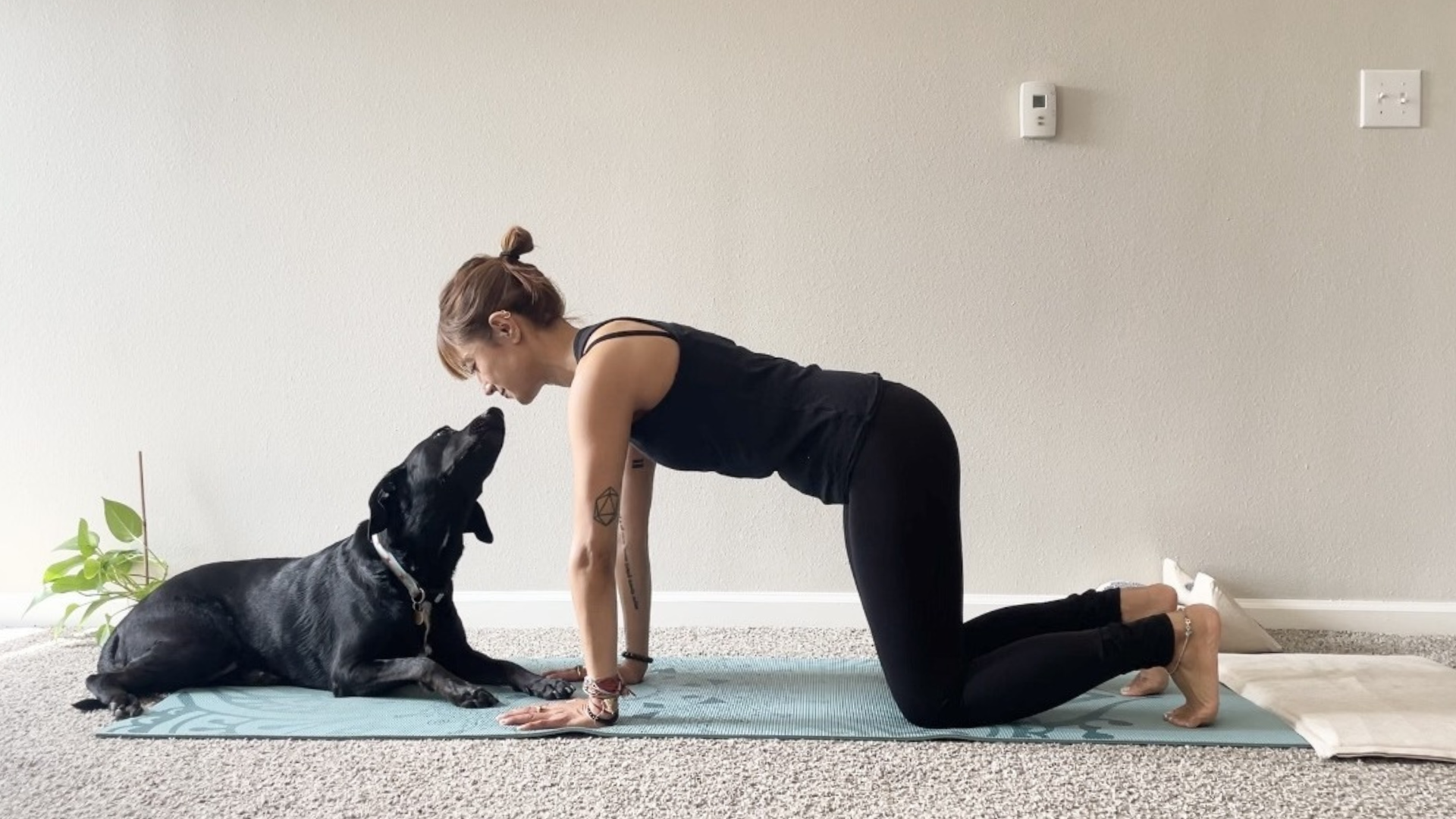
When a practitioner flattens their hand on the mat and aligns their shoulders directly above their wrists, they create a 90-degree angle between the hand and the forearm. Clinical research published in the Journal of Bone and Joint Surgery highlights a startling reality: if the surrounding muscles are not actively engaged, this specific positioning can increase the load on the carpal tunnel and wrist ligaments by up to 1,000 percent.
Without the proper activation of the forearm and hand musculature, the weight of the body "collapses" into the heels of the hands. This passive dumping of weight puts extreme, localized stress on the delicate carpal tunnel, which is not designed to bear such immense, unbuffered pressure.
Hasta Bandha: The Yogic Solution to Joint Compression
The antidote to this mechanical failure is an ancient technique known as Hasta Bandha, or the "hand lock." This practice involves an active, conscious engagement of the hands against the floor. By spreading the fingers wide and pressing firmly through the knuckles—specifically the base of the index fingers and the thumbs—the practitioner creates a foundation of support.
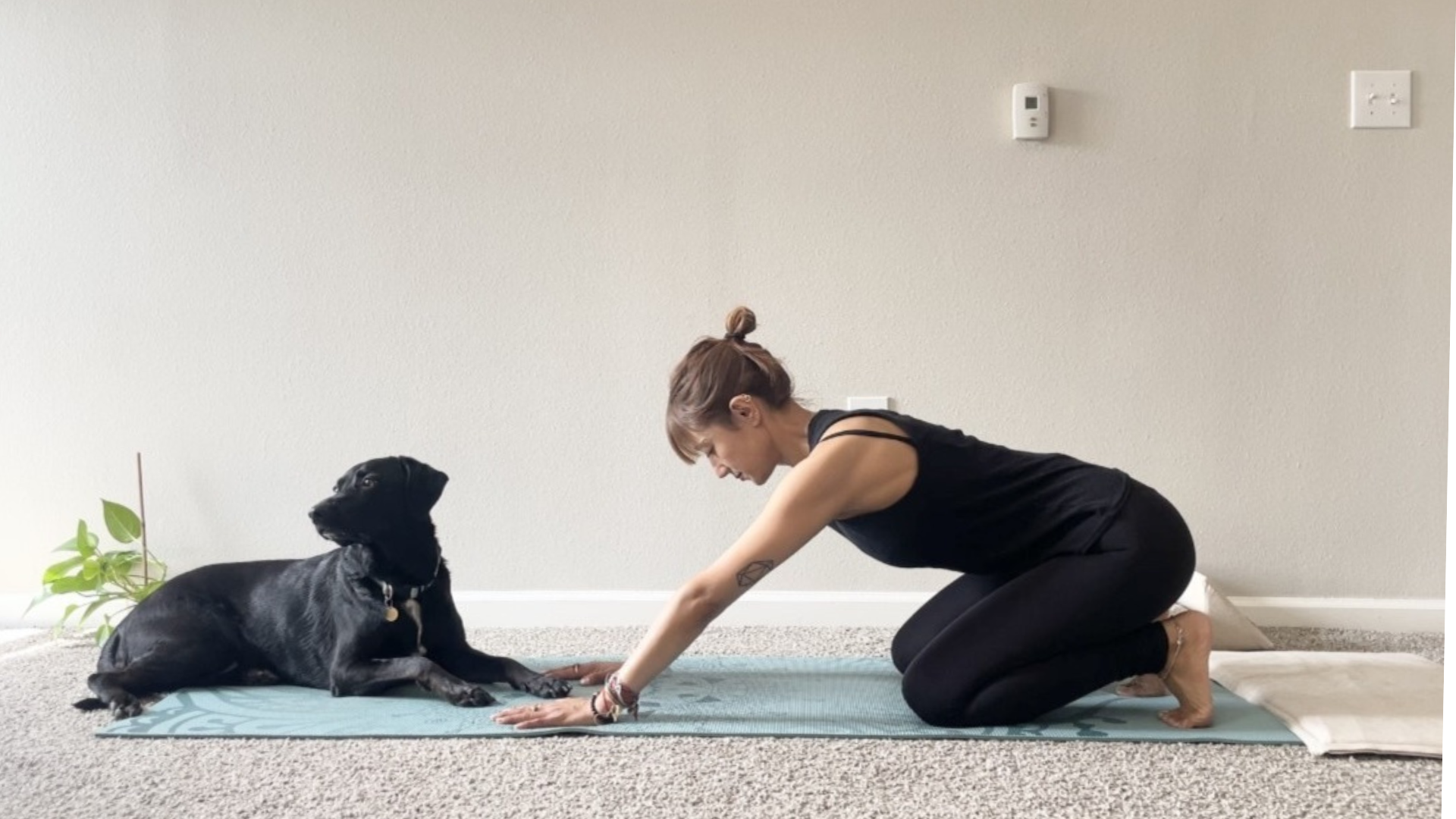
Rather than letting the body weight sink into the vulnerable heel of the hand, Hasta Bandha requires the muscles of the hand and forearm to work in concert. This engagement acts as a shock absorber, distributing the load more evenly across the entire palm and up into the larger muscle groups of the arms and shoulders.
Five Essential Wrist-Strengthening Exercises
Building resilience in the wrists does not require a radical overhaul of your lifestyle. Just five minutes of dedicated preparation before or during your practice can mean the difference between injury and longevity.
1. Tabletop Rocking: Building Tolerance
This movement is designed to gradually introduce pressure to the wrists, allowing the body to adapt to weight-bearing in a controlled environment.
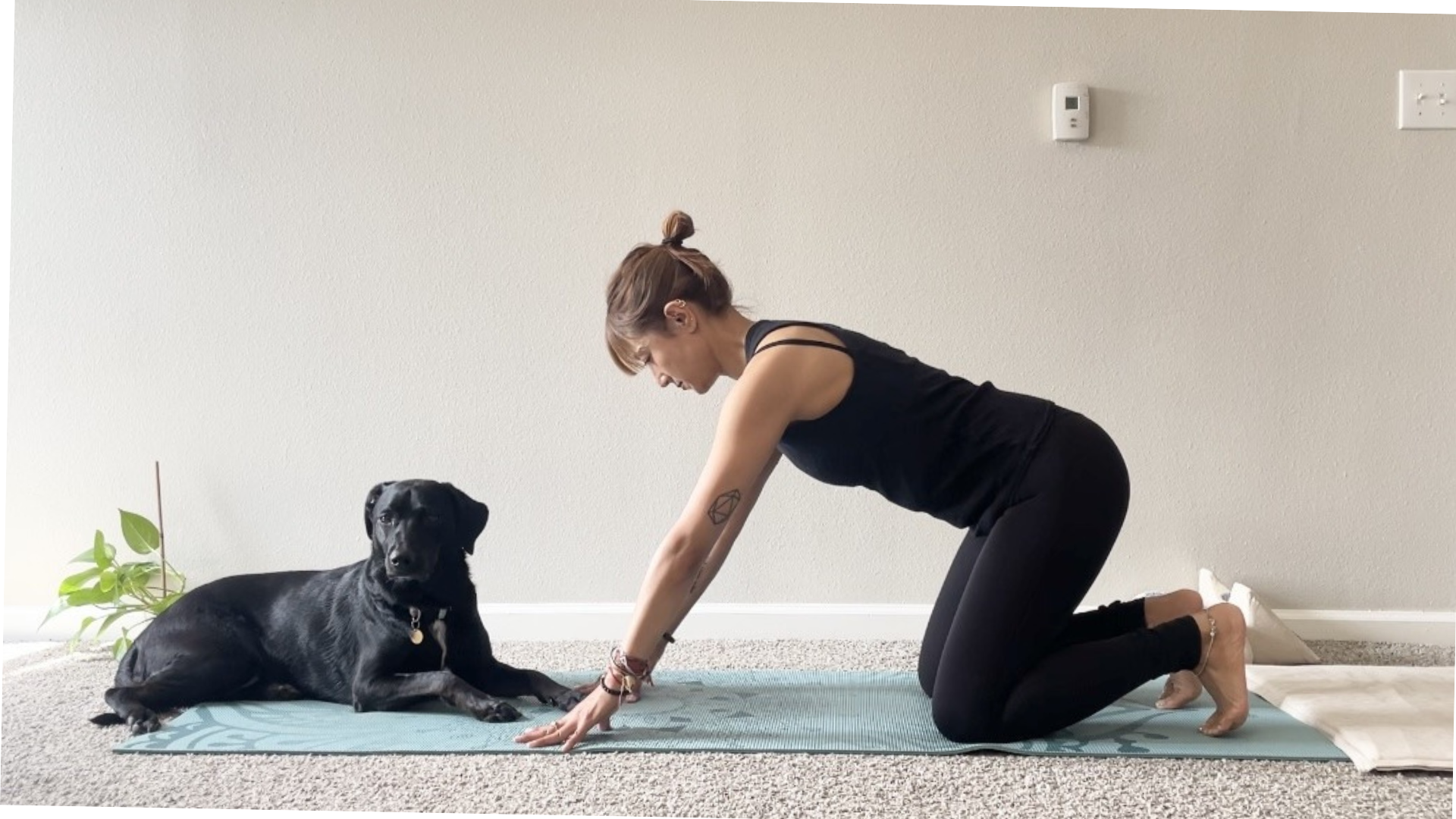
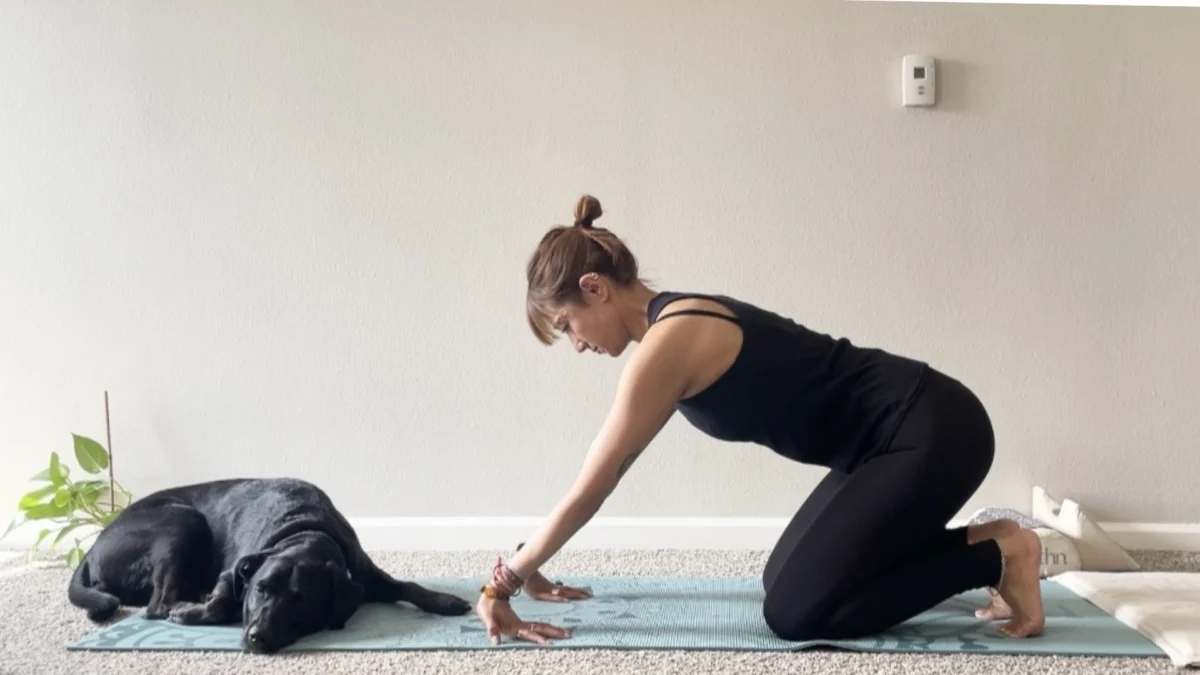
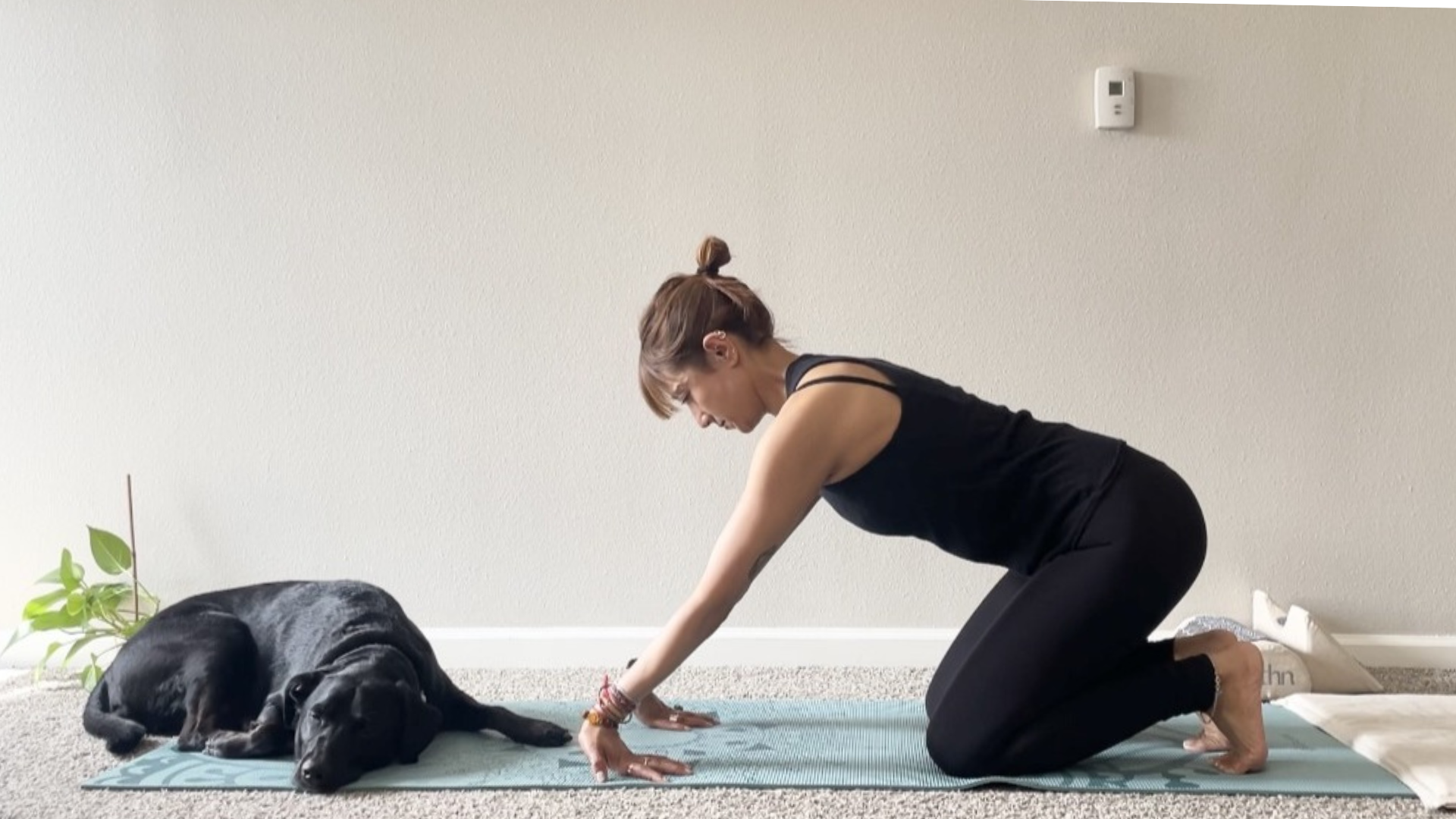
- The Method: Start in a neutral Tabletop position. Spread your fingers wide, pressing firmly through the knuckles. Slowly rock your hips backward, shifting the center of gravity, then return to the starting position.
- The Focus: Ensure the index finger base and thumb remain glued to the mat to prevent the wrists from rolling outward.
2. Active Finger Pulses: Activating the Gripping Muscles
This exercise targets the muscles responsible for grip, which are crucial for stabilizing the wrist during inversions.
- The Method: From a Tabletop position, keep your fingers firmly anchored. Pulse the heels of your hands away from the mat while balancing on your fingers and knuckles.
- The Focus: Avoid bending the fingers backward; maintain a "clawed" grip that forces the forearm muscles to fire.
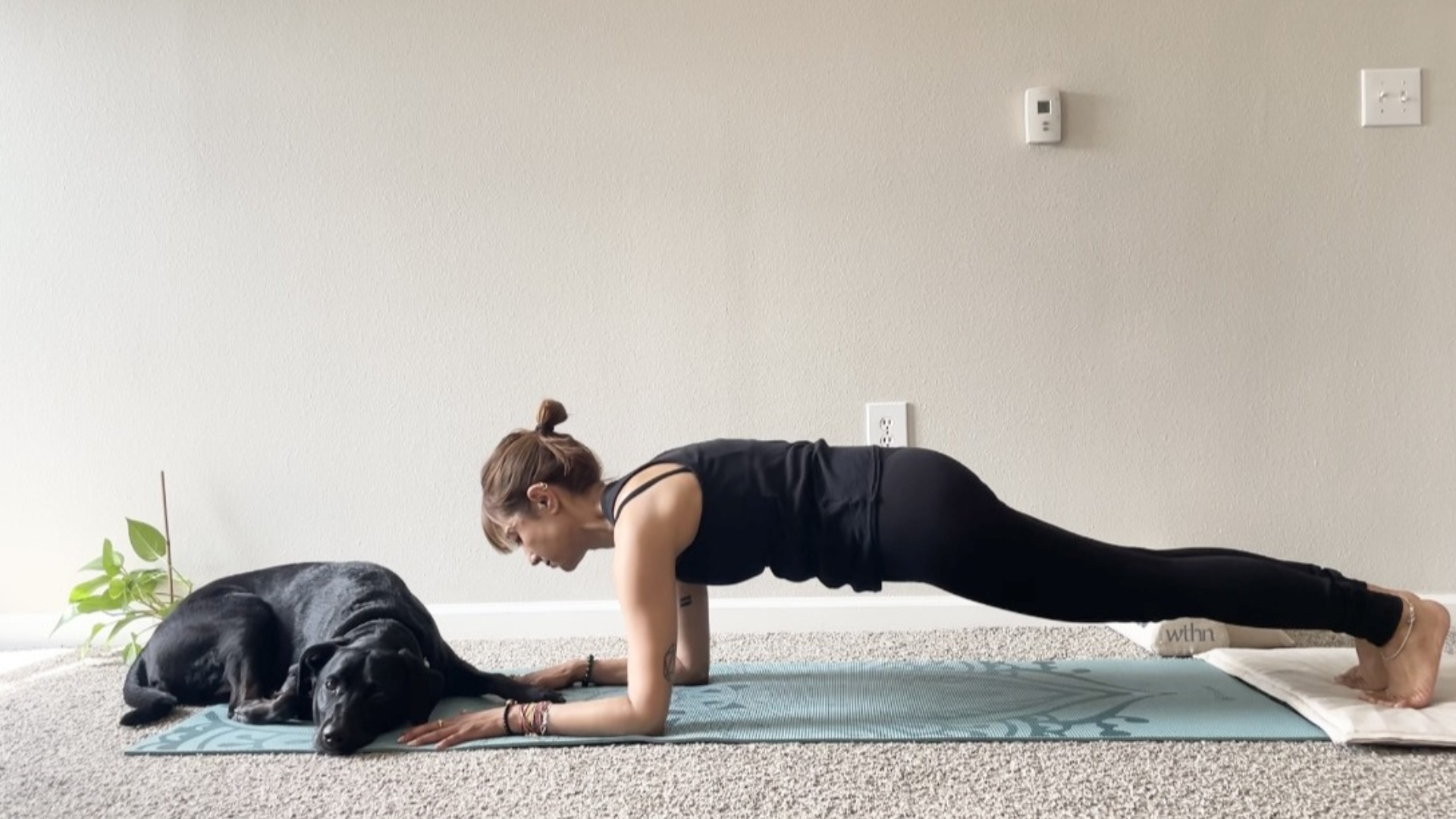
3. Forearm Plank: Shoulder-Driven Stability
Often, wrist pain is a symptom of weak shoulders. When the shoulders lack the strength to "push away" from the floor, the wrists are forced to compensate.
- The Method: Lower to a Forearm Plank, keeping the core engaged and the shoulder blades wide.
- The Focus: Visualize pushing the floor away. This shoulder protraction builds the structural integrity needed to sustain body weight without relying on the small joints of the wrist.
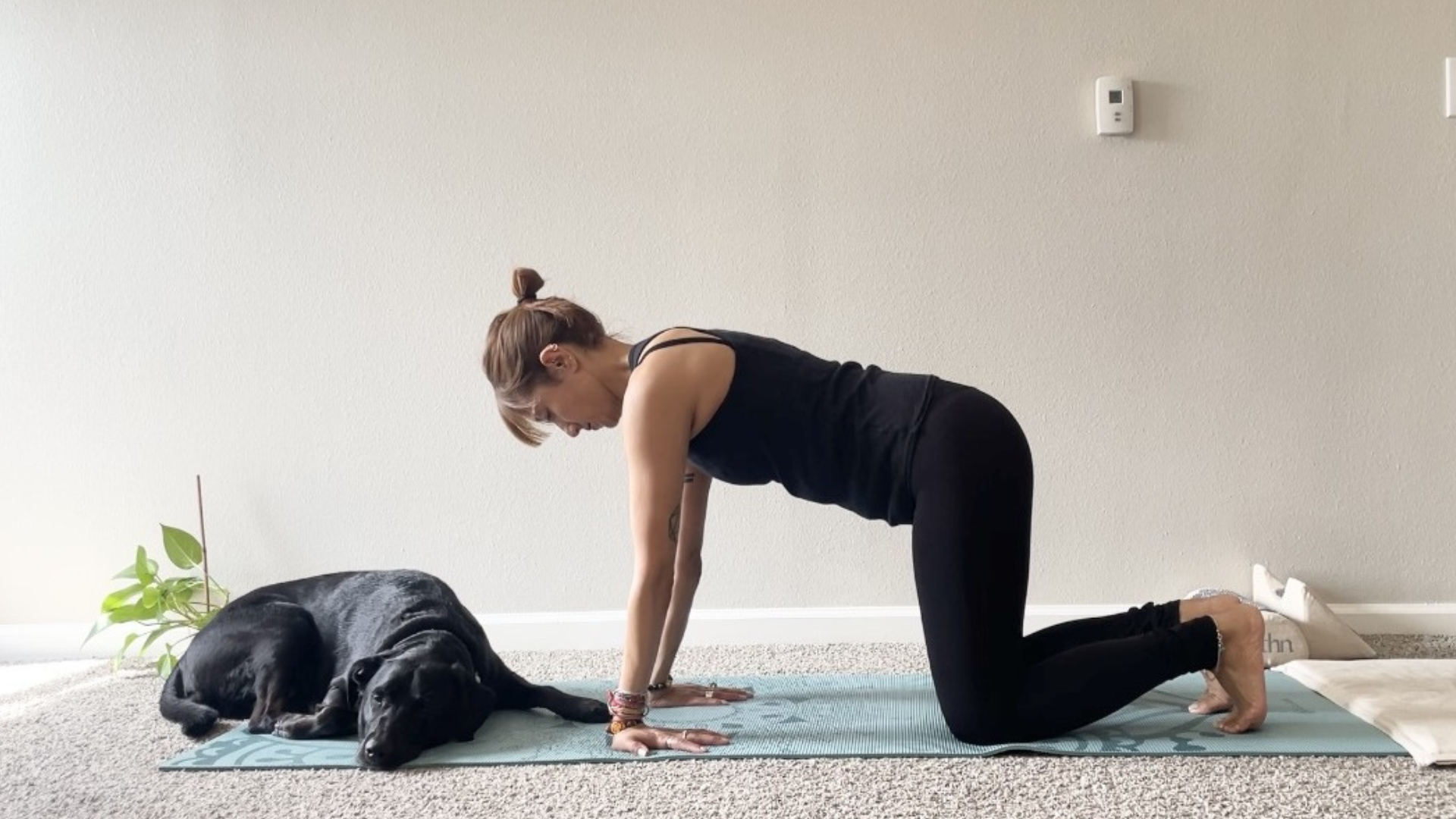
4. Flipped-Palm Pulses: Reversing the Digital Toll
Given our reliance on devices, the wrist extensor muscles—located on the back of the forearm—are frequently overtaxed and shortened.
- The Method: From a kneeling position, flip the hands so the backs of the palms face the mat with fingers pointing toward the knees. Pulse gently.
- The Focus: This provides a necessary stretch for the extensors, counteracting the tension built up by hours of typing and texting.
5. Isometric Hand-Pressing: Strengthening Through Stasis
Isometric exercise is highly effective for joint stability because it builds muscle without requiring joint movement.
- The Method: Sit in Anjali Mudra (prayer position). Inhale to lengthen the spine, then exhale as you press your palms together with maximum force.
- The Focus: Ensure the force is equal across all fingers, not just the base of the palm. Feel the contraction from the chest through the biceps and into the forearms.
Implications for the Future of Practice
As yoga continues to evolve into a mainstream discipline, the focus on preventative care must mirror the focus on advanced asana. The implications for ignoring wrist health are clear: chronic carpal tunnel syndrome, ligament strain, and premature cessation of practice.
Conversely, by integrating these strengthening protocols, practitioners can extend their mobility well into their later years. The goal of yoga is to foster a relationship between the mind and body that is sustainable, healing, and empowering. By recognizing that even the smallest joints—like the wrists—deserve our attention and care, we move closer to a practice that truly supports the longevity of the whole human system.
Ultimately, we must remember that the mat is not a place for suffering. If your wrists are screaming, it is not a sign of "toughness"; it is a sign that your foundation needs to be rebuilt. With the right tools and a shift in focus, you can transform your wrists from a point of failure into a source of enduring strength.