












In the fitness world, the plank is often touted as the ultimate test of grit. Gym culture frequently encourages "gutting it out"—holding that static position until your muscles tremble, your face turns red, and the timer finally beeps. While this "no pain, no gain" mentality might be a rite of passage for a twenty-year-old athlete, it is a fundamentally flawed approach for those over 60.
For the mature population, the goal of exercise is not just to break records, but to build functional resilience. When you prioritize duration over form, your lower back often pays the price. As the hips sag and the lumbar spine arches, the core muscles disengage, leaving the vertebrae vulnerable to unnecessary strain.
However, a new paradigm is shifting the way we think about core training. By moving away from "maximum duration" and toward "progressive, quality-focused endurance," older adults can safely and effectively reclaim their core stability. This article explores a trainer-designed, five-day plank challenge that prioritizes structural integrity over ego-driven timing.
The Anatomy of the Problem: Why Standard Plank Advice Fails
To understand why many seniors struggle with planks, we must look at the biomechanics of aging. Over time, muscle mass naturally decreases (sarcopenia), and spinal flexibility may fluctuate. A "long-hold" plank forces the rectus abdominis and the deep stabilizing muscles of the spine to operate under fatigue for extended periods.
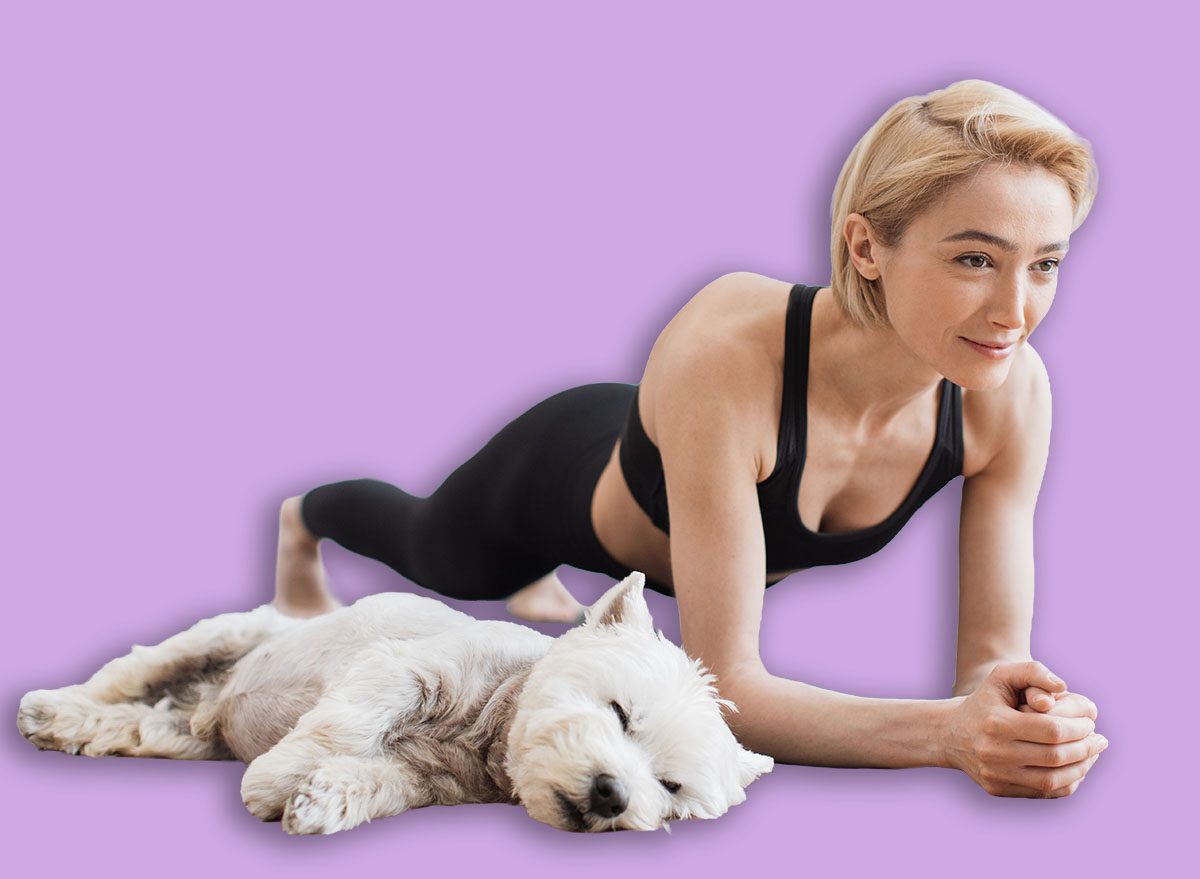
When the core tires, the body naturally looks for "cheat codes" to keep the position. These usually manifest as:
- Anterior Pelvic Tilt: The stomach drops toward the floor, putting direct, crushing pressure on the lower back.
- Shoulder Protraction: The shoulders collapse, placing undue stress on the rotator cuffs and neck.
- Breath Holding: Many individuals hold their breath to stabilize, which causes spikes in blood pressure—a significant concern for those managing cardiovascular health.
James Brady, a Certified Personal Trainer (CPT) at OriGym, emphasizes that the goal of a plank is to create a "braced" cylinder. "If you cannot maintain a straight line from your head to your heels, you are not working your core; you are stressing your joints," Brady notes. "The secret isn’t in how long you stay up, but in how effectively you recruit your muscles during the time you are up."
The 5-Day Progression: A Blueprint for Success
The challenge outlined below is designed for neurological and muscular adaptation. By increasing the duration by just five seconds per day, you allow your nervous system to adjust to the increased demand without triggering the compensation patterns that lead to injury.
Day 1: Establishing the Baseline
The first day is not about fatigue; it is about "positional awareness."

- The Goal: 20 seconds per set.
- The Structure: Perform three sets of 20 seconds, with a 30 to 40-second recovery period between each.
- Focus: Think about pulling your belly button toward your spine and squeezing your glutes as hard as you can.
Day 2: Building Momentum
Having established the baseline, we add five seconds. This minimal increase is rarely noticed by the muscles but is highly effective for long-term progress.
- The Goal: 25 seconds per set.
- The Structure: Three sets of 25 seconds, resting 30 to 40 seconds between rounds.
Day 3: The Mid-Point Test
By the third day, you may feel slight fatigue in the shoulders or abdominal wall. This is a good sign. It means your muscles are beginning to adapt to the metabolic stress.
- The Goal: 30 seconds per set.
- The Structure: Three sets of 30 seconds, maintaining a 30 to 40-second rest.
Day 4: Consolidating Gains
At this stage, the focus shifts to maintaining form under moderate fatigue. If you feel your hips dipping, do not try to push through the last five seconds. Stop, rest, and reset.
- The Goal: 35 seconds per set.
- The Structure: Three sets of 35 seconds.
Day 5: The Completion Goal
You have now doubled your initial duration. You are not just stronger; you have developed the mental discipline to maintain a neutral spine under increasing tension.
- The Goal: 40 seconds per set.
- The Structure: Three sets of 40 seconds.
Technical Execution: How to Plank Properly
As Brady explains, the setup is the most critical factor. Without proper positioning, the benefits of the exercise are negated.
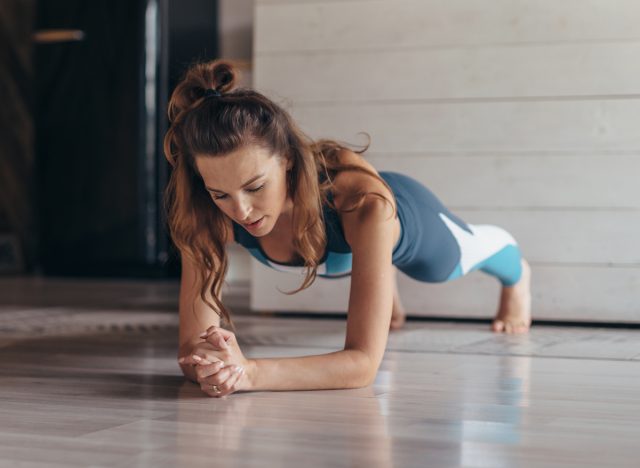
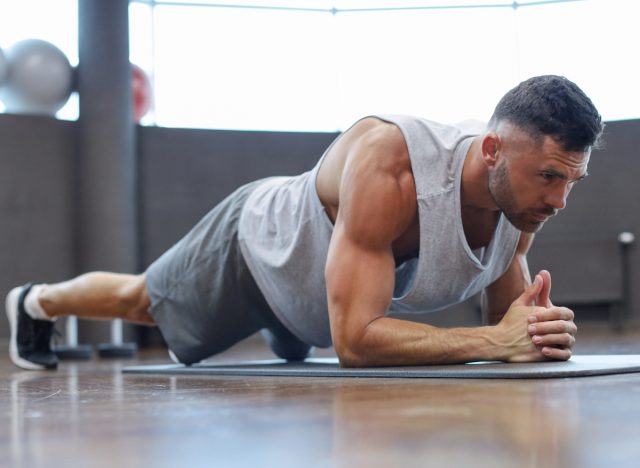
- Forearm Alignment: Place your forearms on the floor, parallel to each other. Your elbows should be positioned directly underneath your shoulders. This creates a stable base and prevents the shoulders from sliding.
- The "Straight Line" Rule: Your body should form a rigid bridge from your head to your heels. Imagine a broomstick running along your spine; it should touch the back of your head, your upper back, and your glutes simultaneously.
- Active Engagement: This is the "secret sauce." Don’t just hold the position; actively squeeze your glutes and draw your elbows toward your toes (without actually moving them). This creates internal tension that fires up the core muscles significantly more than a passive hold.
- Breathing: Never hold your breath. Use rhythmic, steady diaphragmatic breathing. This helps maintain core pressure and keeps your heart rate stable.
Supporting Data: The Science of Core Strength for Seniors
Research published by the CDC and various geriatric health organizations consistently highlights that core stability is a primary determinant of quality of life in later years. A strong core acts as a stabilizer for the entire musculoskeletal system, reducing the risk of falls and chronic lower-back pain.
A study in the Journal of Aging and Physical Activity suggests that core-specific training—when performed with proper technique—can significantly improve balance and gait speed. Furthermore, the National Institute on Aging notes that core strength is essential for performing activities of daily living (ADLs), such as reaching for high shelves, carrying groceries, or getting in and out of a car.
The plank, specifically, is a "closed-kinetic chain" exercise. This means the hands and feet are in a fixed position, which is safer for joints than "open-chain" exercises (like leg extensions or sit-ups) that can put shearing forces on the spine. By choosing the plank over the traditional sit-up, you are opting for an exercise that mimics how your body actually moves in the real world.
Expert Insights: Addressing Common Concerns
We asked James Brady what he tells clients who feel they aren’t "doing enough" because they aren’t holding the plank for minutes at a time.
"I tell them that vanity metrics are the enemy of longevity," says Brady. "When I work with clients over 60, we aren’t looking for a six-pack; we are looking for a spine that stays upright, a pelvis that stays aligned, and a body that doesn’t feel fragile. You get that through consistency and quality. If you can hold a perfect 40-second plank, you are doing more for your long-term health than someone who holds a sloppy 3-minute plank while their back arches toward the floor."
Brady also advises that if you experience sharp pain—specifically in the lower back—you must stop immediately. "Discomfort from muscle fatigue is normal. Sharp, shooting pain is a signal to stop. If you feel pain, try elevating your hands on a sturdy chair or a kitchen counter instead of the floor. This ‘incline plank’ is a fantastic way to build strength while reducing the load on the lumbar spine."
Implications: What Comes After Day 5?
The beauty of this five-day challenge is its scalability. Once you have reached the 40-second mark for three sets, you have achieved a significant milestone in your physical conditioning.

Moving Forward:
- Maintenance: You do not need to keep adding time. Keeping your target at three sets of 40 seconds, three to four times a week, is more than enough to maintain your gains.
- Progression: If you feel comfortable and want to advance, you can restart the cycle, beginning your first day at 30 seconds and working your way up to a 60-second hold over another five-day period.
- Integration: Core strength is only one pillar of health. Combine this plank routine with a consistent walking program, flexibility work, and resistance training for the upper and lower body to create a comprehensive fitness strategy.
The shift toward a healthier, more stable body does not require a gym membership or hours of training. It requires a commitment to the process, an attention to detail, and a respect for your body’s limits. By adopting this trainer-approved, progressive approach to the plank, you are not just exercising; you are investing in the stability, balance, and independence that will serve you for years to come.