











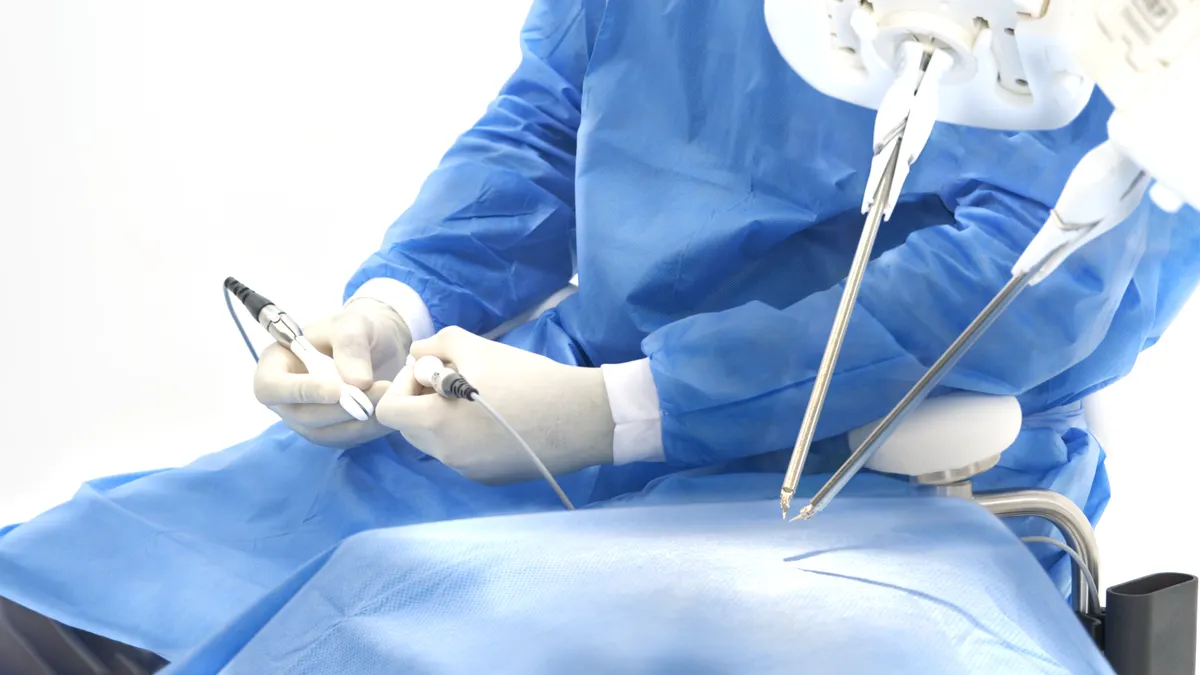
In a move that signals a potential paradigm shift in neurodegenerative disease treatment, the U.S. Food and Drug Administration (FDA) has granted approval for MMI (Medical Microinstruments, Inc.) to expand patient enrollment in its feasibility trial studying the use of the Symani Surgical System. This cutting-edge robotic platform, designed for delicate microsurgery, is currently being evaluated for its ability to restore lymphatic drainage pathways in the necks of patients suffering from mild to moderate Alzheimer’s disease.
The trial, known as the REMIND study, is testing a radical hypothesis: that by optimizing the drainage of deep cervical lymph nodes, surgeons can facilitate the clearance of neurotoxic proteins—specifically amyloid-beta and phosphorylated tau—that are widely considered the primary drivers of cognitive decline in Alzheimer’s patients.
The Main Facts: A New Surgical Paradigm
The Symani system is the first and only commercially available robotic platform specifically engineered for microsurgical applications. Unlike traditional robotic systems used for general surgery, the Symani is capable of manipulating structures smaller than one millimeter, such as tiny lymphatic and blood vessels, with a level of precision that exceeds the capabilities of the human hand.
The FDA’s decision to allow for an expanded participant pool follows a rigorous review of 30-day safety data from the initial cohort of patients treated in the study. By permitting more patients to enter the trial, the FDA is essentially providing a green light to continue exploring whether physical surgical intervention can address the underlying physiological mechanisms of Alzheimer’s. If successful, this could transition the surgical community from a passive role in neurology to an active, interventionist role in clearing the brain’s "waste management" system.
A Chronological Evolution of the Symani Platform
To understand the significance of the REMIND trial, one must examine the rapid evolution of MMI’s technology over the last several years. The trajectory of the Symani robot demonstrates a deliberate progression from foundational microsurgical approval to high-complexity, experimental clinical applications.
- 2024: The De Novo Milestone: The FDA granted the Symani system a de novo classification for microsurgical use, marking the official entry of the robot into the US market. This initial clearance focused on the platform’s ability to perform complex vessel reconstructions, setting the stage for more advanced procedures.
- 2025: Expanding the Scope: Recognizing the potential for the platform to assist in broader surgical suites, the FDA granted subsequent clearance for the inclusion of soft tissue dissection. This expansion allowed the robot to be used in more invasive procedures, including head and neck oncology surgeries.
- Late 2025 – Early 2026: The Alzheimer’s Pivot: As preclinical data regarding the glymphatic system and brain drainage pathways gained traction in academic journals, MMI pivoted to apply the Symani’s precision to neuro-drainage.
- May 2026: The first patient was successfully treated using the Symani system at Baptist Health in Jacksonville, Florida. This event served as the "proof-of-concept" moment for the REMIND study.
- Present Day: Following the successful review of early safety data, the FDA has authorized the expansion of the study, allowing MMI to increase the number of enrolled patients to gather more robust evidence on the procedure’s long-term safety and efficacy.
Technological Foundations: How Symani Works
The efficacy of the Symani system lies in its proprietary "OperaAir" controllers. These handheld interfaces allow surgeons to control micro-instruments with extreme fluidity. The system effectively filters out the natural tremors of the human hand—a critical feature when operating on vessels that are often microscopic.
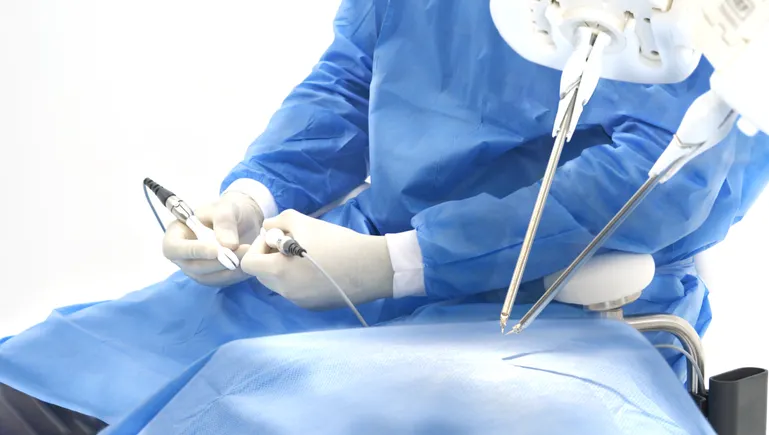
The robot translates the surgeon’s hand and wrist motions into scaled-down, precise robotic movements. This "motion scaling" means that a large movement by the surgeon at the console results in a minute, highly accurate movement by the robotic arm. Furthermore, the system is designed with an open-console architecture, allowing the surgeon to remain either at the patient’s bedside or at a distance within the operating room, maintaining the tactile and visual connection that is traditional in microsurgical practice.
Supporting Data and Clinical Breadth
The REMIND trial is not an isolated endeavor. MMI has been aggressively expanding the Symani’s footprint across various surgical specialties to build a body of clinical evidence that demonstrates the system’s reliability. The robot has already been deployed in:
- Reconstructive Microsurgery: Used extensively in head and neck procedures, particularly for cancer patients requiring tissue flaps and vascular reconnection.
- Transplant Surgery: The system has been utilized in complex liver transplantation procedures where the reconnection of tiny vessels is essential for graft survival.
- Specialized Neurology and Otolaryngology: Beyond the Alzheimer’s study, the robot has been tested in intracranial brain surgery and cochlear implant procedures, where the risk of damaging delicate nerve fibers is high.
- Ophthalmology and Spine Surgery: Its application in spine tumor removal and eye surgery demonstrates the versatility of the miniaturized instruments.
The data gathered from these diverse applications provide the necessary clinical validation that surgeons need to adopt a new technology. By proving that the Symani can handle the rigors of tumor removal and tissue transplantation, MMI has effectively "de-risked" the technology for the highly experimental Alzheimer’s trial.
Official Responses and Industry Perspective
MMI CEO Mark Toland has been vocal about the transformative nature of this technology. In recent discussions regarding the company’s roadmap, Toland described the Alzheimer’s procedure as "pushing the boundaries of medicine."
"We are not merely iterating on existing tools; we are creating a new category of surgery," Toland noted. "By enabling surgeons to access and repair the deep cervical lymphatic system—a feat previously deemed impossible or too dangerous—we are opening a door that has been closed for decades."
The medical community, while cautious, has expressed significant interest. Surgeons involved in the REMIND trial at centers like Baptist Health have pointed out that the procedure’s success relies on the symbiosis between the human surgeon’s clinical judgment and the robot’s mechanical fidelity. The FDA’s approval of the trial’s expansion is seen by many analysts as a vote of confidence in the initial safety profile of the procedure.

Implications for the Future of Healthcare
The implications of this trial are far-reaching. If the REMIND study produces positive results, it could lead to a massive pivot in the standard of care for Alzheimer’s. Currently, most pharmaceutical interventions focus on the chemical modulation of the brain. A surgical intervention that addresses the physical clearance of neurotoxins would represent a "mechanical" approach to a disease that has historically been managed only through neurology and pharmacology.
1. Shift in Patient Demographics
If successful, surgery for Alzheimer’s would require a new collaboration between neurosurgeons, neurologists, and microsurgical specialists. This would necessitate training a new generation of surgeons proficient in both neuroanatomy and advanced robotics.
2. Economic and Health System Impact
While the initial cost of robotic systems like the Symani is high, the potential to slow the progression of Alzheimer’s could result in massive long-term savings for health systems. By reducing the duration of severe cognitive decline, the burden on long-term care facilities and the immense societal costs associated with late-stage dementia could be significantly mitigated.
3. Future Clinical Trials
Should the feasibility study meet its endpoints, the path is clear for a larger, multi-center pivotal trial. Such a trial would likely compare the surgical intervention against standard-of-care pharmacological treatments, providing the definitive data required for widespread insurance coverage and clinical adoption.
Conclusion
The expansion of the REMIND study is more than a regulatory update; it is a signal that the field of microsurgery is entering a new era. By leveraging the precision of the Symani robot, MMI is attempting to solve one of the most stubborn medical mysteries of our time. As the trial moves forward, the medical world will be watching closely to see if the delicate dance of robotic micro-instruments can indeed clear the path toward a future where Alzheimer’s disease is not just managed, but potentially disrupted at its physical source.
For MMI, the road ahead involves not only proving the efficacy of the REMIND protocol but also continuing to demonstrate the reliability of the Symani system across its growing list of surgical indications. In the intersection of robotic precision and human ingenuity, a new chapter in neurological care is being written, one millimeter at a time.