For many, the narrative surrounding aging is one of inevitable decline—a slow retreat from the activities that once defined our independence. However, emerging research in gerontology and physical therapy suggests that this narrative is not only incomplete but entirely reversible. Strength after 70 is not a myth; it is a physiological reality that can be unlocked, often with surprising speed.
The secret to maintaining autonomy in one’s eighth decade and beyond does not lie in grueling gym sessions or complicated floor exercises. Instead, it is found in the deliberate, functional strengthening of the body in the positions we occupy most: standing and moving.
The Core Philosophy: Why "Upright" Matters
Traditional exercise programs often emphasize getting down to the floor for core work or specialized stretches. While floor-based exercise has its place, it is not the most efficient or accessible starting point for those over 70. Getting up and down can be a hurdle, and for many, the floor is an environment that feels disconnected from the realities of daily life.
By focusing on standing exercises, we train the body in a gravity-dependent environment. This mimics the challenges of real-world movement—carrying groceries, navigating uneven sidewalks, or reaching for a high shelf. These exercises target the "kinetic chain," ensuring that the legs, hips, core, and posture work in concert. When these systems are strong, the result is a profound increase in confidence. A more stable gait, a stronger grip, and an improved ability to manage one’s own weight are the hallmarks of sustained independence.
Chronology of Progress: From Shaky to Steady
Building strength after 70 is a process of neuromuscular adaptation. It is not merely about muscle hypertrophy—the physical size of the muscle—but rather about "neuromuscular efficiency."
- The Initial Phase (Weeks 1-2): During the first few sessions, the primary goal is coordination. You may feel "shaky" or unsure. This is not a sign of weakness, but rather the nervous system learning new movement patterns.
- The Stabilization Phase (Weeks 3-6): As the body adapts, the "shakiness" begins to subside. Movements that felt laborious now feel smoother. This is the stage where confidence begins to soar, as the brain realizes it can rely on the muscles to support the skeletal structure under load.
- The Empowerment Phase (Week 7 and beyond): This is where functional gains become apparent. You notice you are no longer holding your breath while standing; you are moving with intention and ease. The "small wins"—like carrying a bag of laundry without fatigue—become the new normal.
Supporting Data: The Science of Functional Strength
Scientific literature consistently supports the necessity of resistance training for older adults. A study published in the Journal of Aging and Physical Activity highlights that resistance training significantly improves physical function, muscle mass, and even cognitive health in the elderly.
Furthermore, research published via the National Center for Biotechnology Information (NCBI) emphasizes that "functional resistance training"—exercises that replicate daily tasks—is superior to isolated machine training for improving quality of life. By focusing on multi-joint, standing movements, you are not just exercising a muscle; you are training a movement pattern that keeps you upright and mobile.
The Four Pillars of Standing Strength
To maximize results, integrate these four exercises into your routine two to four days per week. Always ensure you have a stable surface nearby for support.
1. The Suitcase Carry March
The suitcase carry march is deceptively simple but incredibly effective. By holding a weight on one side, you force the body to resist lateral tilting.
- The Benefit: It strengthens the obliques and the deep core while training the hips to stabilize the body under an uneven load.
- Form Tip: Imagine a string pulling the top of your head toward the ceiling. Keep your shoulders level, resisting the urge to lean toward the weighted side.
2. Counter-Supported Split Squat
This movement is the "gold standard" for leg strength. By using a counter or a sturdy chair for balance, you remove the fear of falling, allowing you to focus entirely on the strength of your quadriceps, hamstrings, and glutes.
- The Benefit: It directly translates to improved stair climbing and easier transitions from seated positions to standing.
- Form Tip: Focus on the "down" phase. Keep the movement slow and controlled to maximize muscle engagement.
3. Standing Band Pallof Press
The Pallof press is the premier anti-rotation exercise. By anchoring a resistance band and pressing your hands away from your chest, you challenge your core to remain perfectly still despite the resistance pulling you sideways.
- The Benefit: It builds the exact type of core stability required to prevent falls during sudden movements or stumbles.
- Form Tip: Ensure your ribs remain tucked and your hips stay square to the anchor point throughout the entire press.
4. Goblet Squat to Calf Raise
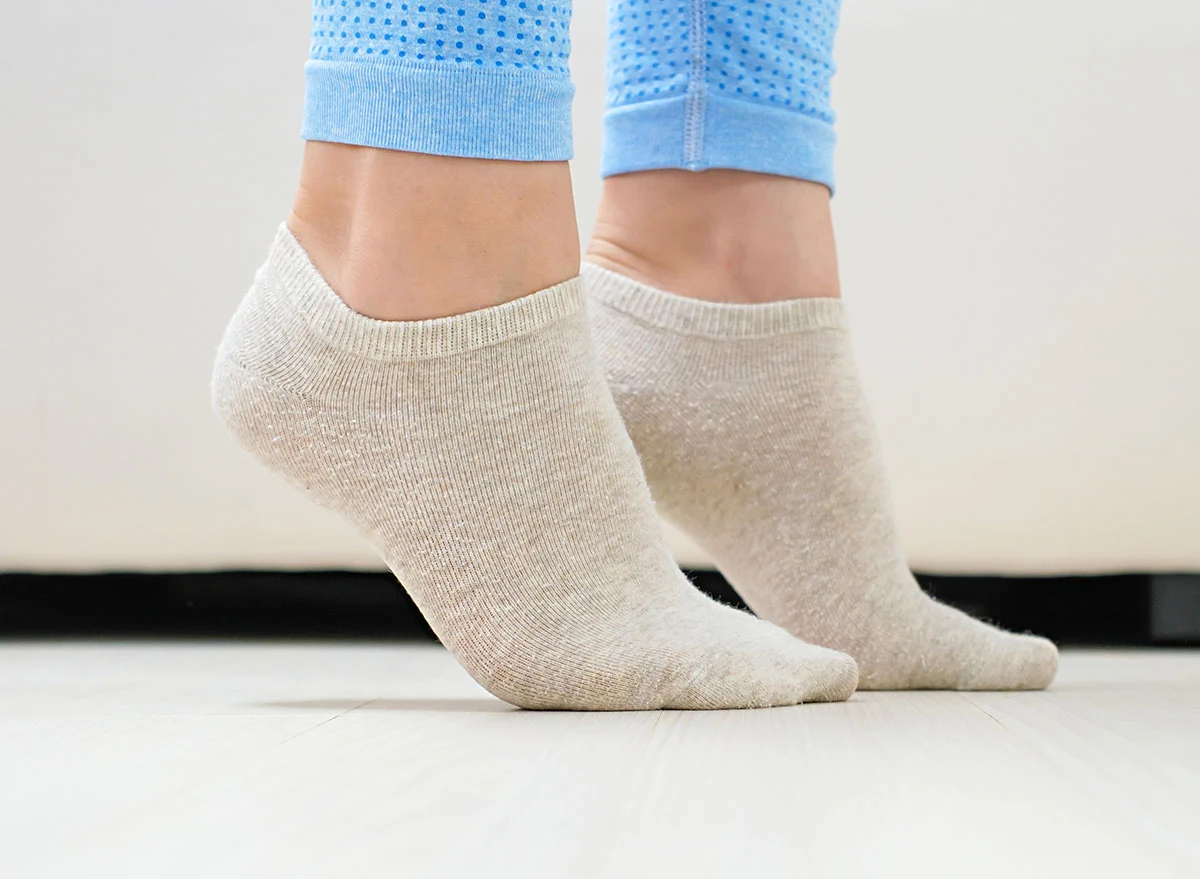
This is a comprehensive, full-body movement. The goblet position (holding a weight close to the chest) provides a natural counterbalance, making the squat more accessible, while the calf raise at the end targets the often-neglected muscles of the lower leg.
- The Benefit: This sequence builds explosive power for the feet and ankles, which is essential for walking and navigating terrain.
- Form Tip: Pause for one second at the top of the calf raise to emphasize balance before lowering your heels with control.
Official Perspectives: The Professional Consensus
Physical therapists and geriatric specialists increasingly advocate for "preventative strength." The consensus is clear: the goal of exercise after 70 is not to compete with the younger version of oneself, but to build a body that feels capable of handling the day’s demands.
Dr. Elena Rossi, a specialist in mobility for older adults, notes: "When we focus on standing stability, we are essentially ‘future-proofing’ the body. By training the core to resist force and the legs to handle load, we are actively reducing the risk of falls—the leading cause of loss of independence in the aging population."
Implications: Building a Life of Movement
The implications of adopting a standing-strength routine are profound. It is not just about the numbers on a scale or the weight of a dumbbell; it is about the freedom to move through the world without constant self-monitoring or fear.
When you increase your strength, you change your physiological baseline. You find that you can travel more comfortably, play with grandchildren without exhaustion, and participate in social activities that require standing or walking.
Implementation Strategy
For the best results, treat these exercises as a "circuit."
- Complete one set of each exercise back-to-back.
- Rest for 60 to 90 seconds.
- Repeat the circuit two to three times.
As you progress, the key is not necessarily to add more weight, but to improve the quality of the movement. Focus on smoother transitions, deeper control, and longer holds. Strength after 70 is a marathon, not a sprint. It is about building a body that you can trust, a body that remains a reliable vehicle for your life’s experiences.
In conclusion, the path to strength is under your feet. By prioritizing these four standing movements, you are making a commitment to your future self—a commitment to remain upright, steady, and, most importantly, free. Start light, remain consistent, and enjoy the confidence that comes with every steady step you take.