











Date: July 2, 2026
Location: Brussels, Belgium
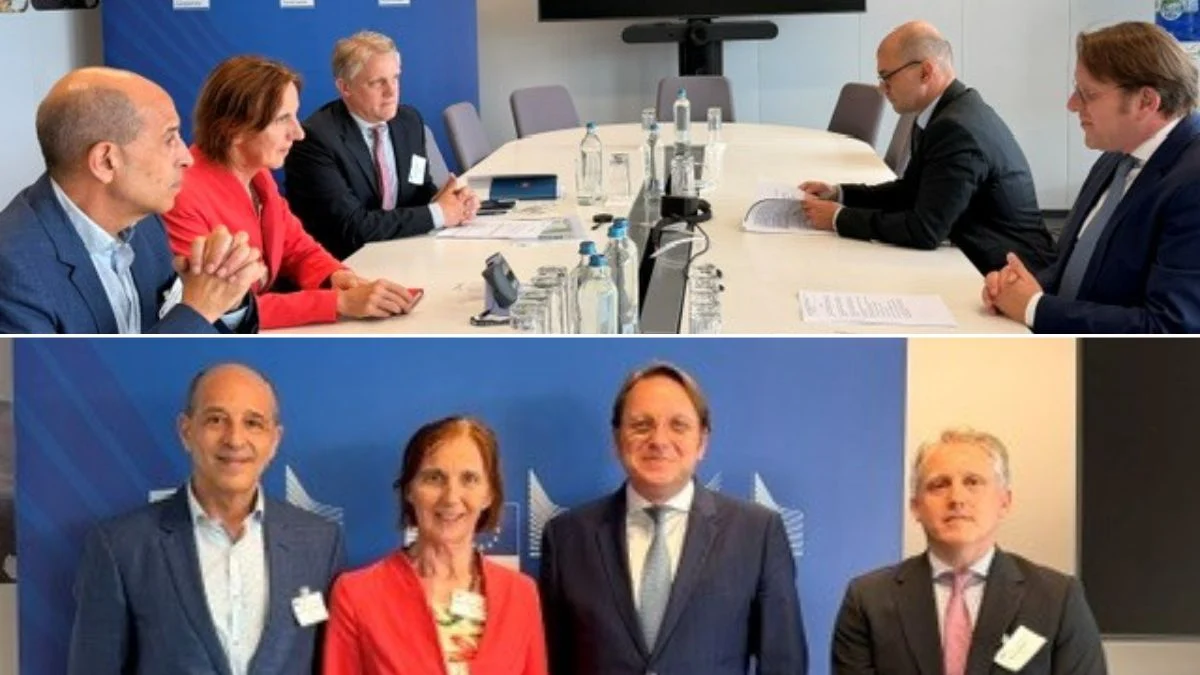
In a pivotal moment for European public health policy, senior representatives from the European Respiratory Society (ERS) convened this week with Olivér Várhelyi, the European Commissioner for Health and Animal Welfare. The meeting, held at the heart of the European Union’s executive branch, served as a high-level platform for the ERS to advocate for a paradigm shift in how respiratory diseases—often overshadowed by other chronic conditions—are prioritized within the EU’s legislative framework.
As Europe faces an aging population, the escalating impacts of climate change on air quality, and the persistent, evolving threats posed by infectious diseases, the ERS leadership presented a strategic roadmap designed to integrate respiratory health into the center of the European health policy agenda.
The Core Mandate: Main Facts of the Engagement
The delegation representing the ERS was led by Secretary General Prof. Ildikó Horváth, accompanied by President-Elect Dr. Marc Miravitlles and the Director of Advocacy and European Affairs, Brian Ward. The objective of the meeting was twofold: to provide Commissioner Várhelyi with evidence-based insights into the current burden of respiratory disease in Europe and to urge the Commission to commit to stronger regulatory and funding mechanisms to combat these challenges.
Respiratory diseases represent one of the largest contributors to global and European mortality and morbidity. Conditions such as Chronic Obstructive Pulmonary Disease (COPD), asthma, lung cancer, and the long-term sequelae of respiratory infections impose a massive socioeconomic burden, leading to productivity loss, long-term disability, and high costs for healthcare systems. The ERS delegation emphasized that respiratory health is not merely a medical issue but a foundational pillar of economic productivity and societal well-being.
Chronology of Advocacy: A Sustained Effort
The meeting with Commissioner Várhelyi is the latest in a series of strategic engagements by the ERS. To understand the significance of this interaction, one must look at the timeline of the society’s advocacy efforts over the past decade:
- 2020–2022: The ERS played a critical role in providing clinical and scientific guidance during the COVID-19 pandemic. This period solidified the society’s reputation as an essential consultative body for EU health policy.
- 2023: Following the pandemic, the ERS shifted its focus toward the "Long COVID" phenomenon and the need for structural improvements in respiratory diagnostics across Member States.
- 2024: The Society launched the "Clean Air for Health" initiative, aligning clinical data with the EU’s Green Deal objectives, arguing that air pollution is the primary driver of preventable respiratory disease.
- 2025: Throughout the last year, ERS leadership facilitated a series of technical briefings for the European Parliament’s Committee on the Environment, Public Health and Food Safety (ENVI).
- July 2, 2026: The meeting with Commissioner Várhelyi marks the culmination of these efforts, moving the conversation from technical advisory roles to direct political prioritization at the Commissioner level.
The Burden of Disease: Supporting Data and Scientific Context
The ERS presented the Commissioner with a comprehensive briefing document, highlighting the alarming trajectory of respiratory conditions across the continent. According to the data shared, the following points illustrate the urgency of the situation:
The Socioeconomic Impact
Respiratory diseases account for approximately 15% of all deaths in Europe. Beyond mortality, the morbidity associated with these conditions is staggering. Chronic respiratory diseases are a leading cause of work absenteeism and early retirement. The ERS argued that by investing in early diagnosis and patient-centered management, the EU could potentially save billions of euros in annual healthcare expenditure.
Environmental Determinants
The correlation between air quality and respiratory health is undeniable. The ERS presented the latest figures on particulate matter (PM2.5) and nitrogen dioxide (NO2) exposure in European urban centers. Despite EU-wide directives, millions of European citizens continue to live in areas where air quality standards are systematically breached. The Society underscored that the "Zero Pollution" ambition of the EU must prioritize respiratory health as a key performance indicator.
The Innovation Gap
While pharmaceutical and technological advancements in respiratory medicine have progressed, the implementation of these innovations remains inconsistent across Member States. The ERS called for a "European Respiratory Strategy" that ensures equitable access to cutting-edge diagnostics—such as advanced lung imaging and genomic testing—regardless of the patient’s country of residence.
Official Responses and Strategic Dialogue
The meeting was characterized by a robust exchange of ideas. While the European Commission must balance a vast portfolio of competing health interests, the ERS delegation successfully framed respiratory health as a "horizontal" issue—one that affects aging, economic growth, environmental justice, and social equity.
Commissioner Várhelyi acknowledged the society’s expertise, noting that the Commission is currently reviewing its health promotion and disease prevention strategies. The Commissioner expressed interest in the ERS’s proposals regarding digital health integration. The ERS proposed that a standardized European electronic health record system, specifically tailored for respiratory patients, would significantly improve longitudinal care and research outcomes.
Brian Ward, the ERS Director of Advocacy, commented following the session: "Our dialogue with Commissioner Várhelyi was constructive and forward-looking. We are not just asking for more funding; we are asking for a systemic shift that integrates respiratory health into every relevant policy area, from environmental regulations to the digitalization of our healthcare systems."
Implications: A New Era for European Respiratory Health
The implications of this meeting are significant for both the medical community and European citizens. By elevating respiratory health, the ERS is pushing for a future where:
- Policy Coherence: Air quality policies will be explicitly linked to respiratory health outcomes, moving away from fragmented environmental and health mandates.
- Increased Research Investment: The ERS is advocating for dedicated funding streams within the Horizon Europe framework to support research into personalized respiratory medicine.
- Cross-Border Collaboration: The meeting paves the way for a more unified European approach to managing respiratory crises, ensuring that Member States can rely on a coordinated response rather than isolated national efforts.
- Patient-Centric Advocacy: By engaging at the Commissioner level, the ERS ensures that the "patient voice" is at the table when policy is drafted, rather than being an afterthought during the implementation phase.
Looking Ahead
The ERS leadership has committed to providing the Commission with a detailed policy white paper by the end of the year, outlining specific legislative amendments and policy recommendations based on the topics discussed. The society plans to maintain this momentum by continuing its engagement with the European Parliament and national health ministries.
As the European Union navigates the complex challenges of the late 2020s, the ERS remains steadfast in its belief that respiratory health is a fundamental right. The meeting with Commissioner Várhelyi is not the end of a process, but rather the beginning of a concerted effort to ensure that the air we breathe—and the health of our lungs—remains a top-tier priority for the European political establishment.
For the millions of Europeans living with chronic respiratory conditions, the outcome of these high-level discussions could translate into better access to care, cleaner air, and a significantly improved quality of life. The ERS, through its unwavering advocacy, has firmly placed the respiratory health agenda in the spotlight, where it will remain until tangible policy shifts are achieved.
For more information on the ERS’s ongoing advocacy initiatives, or to review the policy briefings presented to the European Commission, visit the ERS Advocacy Portal.