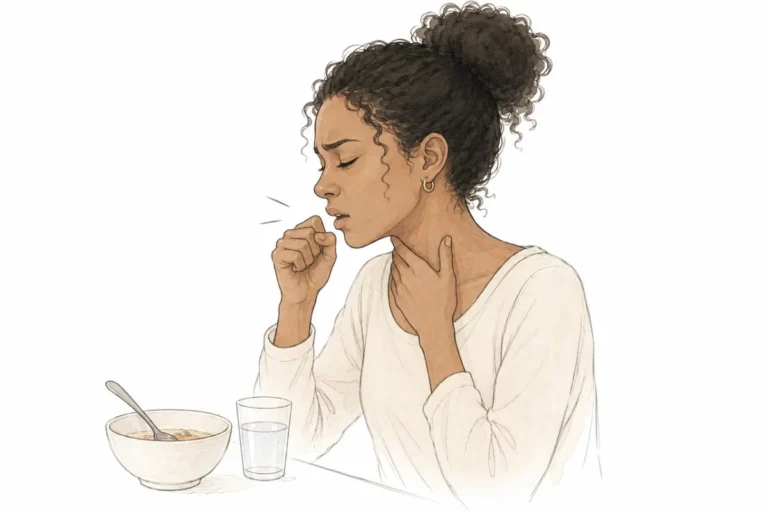










The landscape of respiratory medicine is undergoing a profound shift. For decades, chronic cough was relegated to the status of a secondary symptom—a mere indicator of an underlying pathology like asthma, gastroesophageal reflux, or post-nasal drip. However, at the inaugural European Respiratory Society (ERS) Cough Conference held recently in London, the global medical community reached a consensus: chronic cough is, in many instances, a distinct and debilitating condition in its own right.
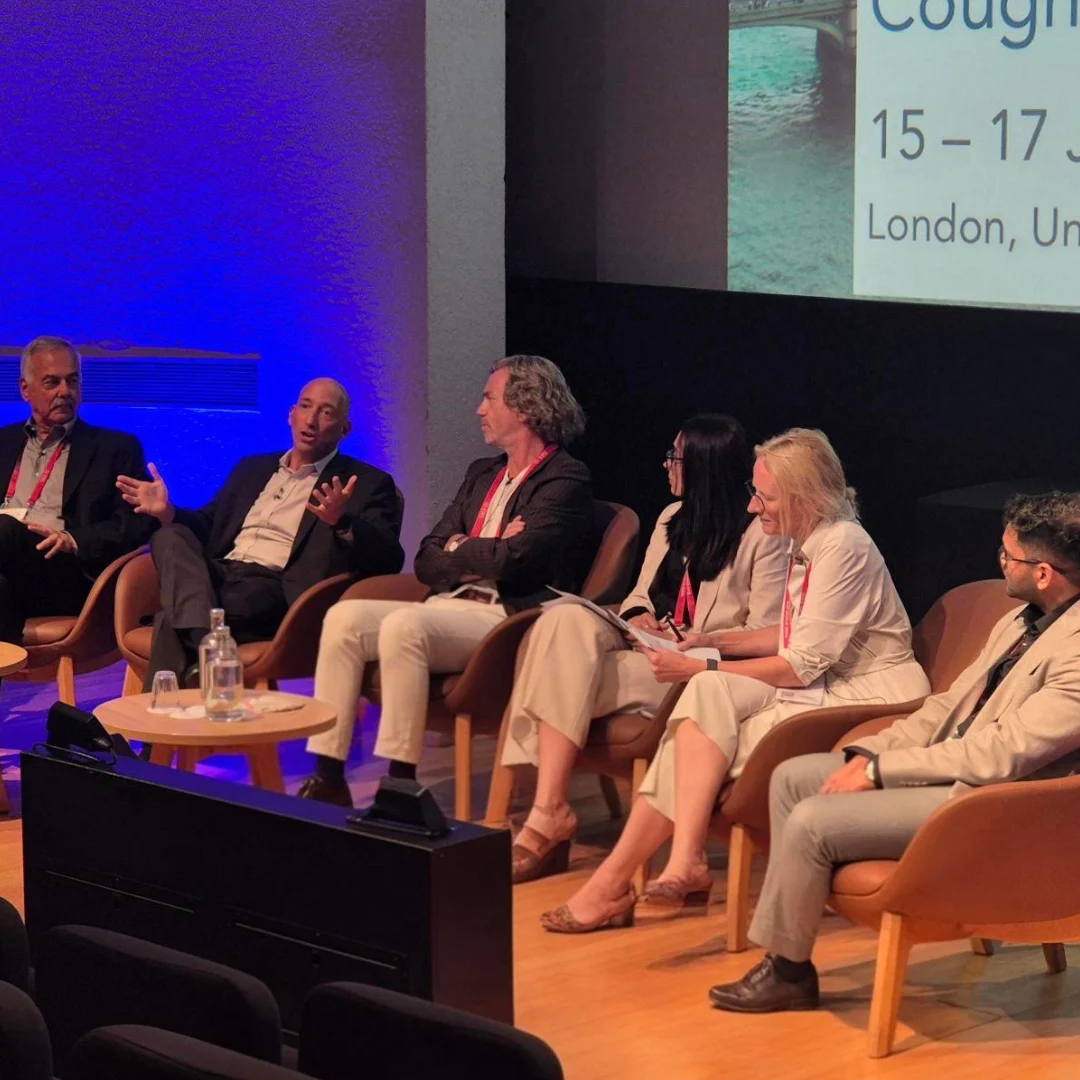
Drawing over 350 delegates from 59 countries, the hybrid event served as a landmark moment for pulmonology, integrating cutting-edge biological research with the lived experiences of patients. By elevating the profile of chronic cough, the conference aimed to bridge the gap between clinical bench science and the daily, often invisible, struggles of those living with the condition.
Main Facts: A New Diagnostic Paradigm
The primary takeaway from the ERS gathering was the clinical imperative to reclassify chronic cough. Researchers presented evidence suggesting that for a significant subset of patients, the cough reflex itself becomes hypersensitive—a phenomenon often described as "cough hypersensitivity syndrome."
In this framework, the nervous system becomes hyper-reactive to environmental stimuli, such as temperature changes, strong odors, or even talking. This biological recalibration means that the cough is no longer just a warning bell for another disease; it is the disease itself.
Key themes emerging from the conference included:
- Neurological Involvement: A heavy focus on the role of the nervous system and sensory pathways in driving persistent, non-responsive coughing.
- The Burden of Misunderstanding: The significant social and psychological toll of chronic coughing, which often goes unrecognized due to its "invisible" nature.
- Standardization Challenges: The urgent need for universal diagnostic criteria and measurement tools to allow for better data comparison across international research trials.
Chronology: The Evolution of the Discourse
The lead-up to the conference was marked by intense preparatory work from the European Lung Foundation (ELF) and its Chronic Cough Patient Advisory Group (PAG).
Pre-Conference (Phase 1): In the weeks leading up to the London summit, patient representatives Ruth Last and Andrew Lothian spearheaded a series of initiatives aimed at preparing the medical community for the "patient voice." Through the ELF blog, they set the stage, emphasizing that clinical trials without patient input often miss the most critical quality-of-life metrics.
Conference Days (Phase 2): The event itself followed a rigorous schedule of plenary sessions and informal workshops. Researchers presented the latest findings on cough neurobiology, while patient representatives were integrated directly into panel discussions. This was not a passive conference; it was a collaborative forum where patient representatives challenged researchers to define "success" not just by cough frequency, but by the ability to engage in social activities, sleep, and maintain employment.
Post-Conference (Phase 3): The immediate aftermath has seen a push for the dissemination of these findings. The call for better patient-reported outcome measures (PROMs) is already being incorporated into prospective research agendas, ensuring that the dialogue between patients and scientists remains an ongoing feedback loop.
Supporting Data and Scientific Insights
The scientific rigor of the ERS conference was highlighted by sessions focusing on the mechanisms of chronic cough, particularly its relationship with other respiratory conditions such as bronchiectasis.
The Role of Airway Clearance
In cases of bronchiectasis, the function of a cough is complex. While it serves as a necessary mechanism to clear excess mucus, persistent, non-productive coughing serves no physiological benefit and instead inflicts damage on the airway linings. Speakers noted that early recognition of bronchiectasis—and distinguishing it from idiopathic chronic cough—is vital for effective management.
The Measurement Gap
A recurring point of frustration among researchers is the lack of uniformity in measuring "cough burden." Currently, studies rely on varied metrics, ranging from digital cough counters to subjective diaries. The conference concluded that without a standardized, internationally accepted toolkit for measuring patient-reported outcomes, the efficacy of new therapeutic interventions remains difficult to quantify. The consensus was clear: the development of a validated, universal PROM is a top-tier research priority for the next five years.
Official Responses and Stakeholder Perspectives
The inclusion of patient voices provided the most poignant moments of the event. Ruth Last and Andrew Lothian, representing the ELF, were instrumental in shifting the focus from "treating the airways" to "treating the person."
The Caregiver’s Perspective
One of the most impactful sessions featured Lynda, the wife of Andrew Lothian. In an informal roundtable, she articulated the "hidden" nature of the condition. "People see a cough and think it’s just a cold or a temporary irritation," she explained. "They don’t see the exhaustion, the social isolation, or the strain on relationships that comes when someone is coughing for hours on end every single day."
This testimony resonated with clinicians, many of whom admitted that the psychological impact of chronic cough—the anxiety, the avoidance of public spaces, and the impact on career progression—is rarely discussed in the standard ten-minute clinical consultation.
The Medical Community’s Stance
Healthcare professionals acknowledged the need for a paradigm shift in education. The consensus among the experts was that medical schools and professional training programs often treat cough as a symptom to be "cleared up," leading to a culture where patients are often told to "just live with it" after routine tests come back normal. The ERS conference aimed to dismantle this complacency, arguing that "nothing to see on the X-ray" does not mean "nothing is wrong."
Implications: A Roadmap for Future Care
The implications of the ERS Cough Conference are far-reaching, promising to influence both clinical policy and the trajectory of pharmaceutical research.
Reducing Stigma through Awareness
The conference highlighted that stigma is a primary barrier to care. Because chronic cough is often dismissed, patients delay seeking specialized help. By reframing the condition as a chronic illness, the ERS hopes to empower both patients to advocate for their health and doctors to refer patients to specialists earlier.
Informing Future Research
With a clearer understanding of the nervous system’s role in cough hypersensitivity, the pharmaceutical industry is better positioned to target specific neural pathways. The conference served as a clearinghouse for ideas, with many speakers suggesting that future therapies will likely focus on neuromodulators rather than traditional cough suppressants, which have historically shown limited efficacy.
Sustaining the Partnership
Perhaps the most lasting legacy of the London event is the institutionalization of the patient-researcher partnership. The ELF’s commitment to its Patient Advisory Groups ensures that future research projects will be "patient-informed by design." This means that from the initial formulation of a research question to the final analysis of data, the patient experience will be at the core.
How to Stay Engaged
For those living with the condition or medical professionals seeking to update their practice, the ERS and ELF have provided a wealth of resources. The Chronic Cough Information Hub remains the primary repository for evidence-based information, while the PAGs continue to serve as a vital network for those seeking support and wanting to influence the future of respiratory care.
As the conference concluded, the message was unambiguous: the era of dismissing chronic cough is over. By aligning scientific investigation with the lived reality of patients, the respiratory community is finally moving toward a future where this debilitating condition is not just recognized, but effectively managed and eventually, perhaps, solved.
Get Involved
The journey toward better care for chronic cough is a collective effort. Whether you are a patient, a caregiver, or a healthcare professional, your involvement is crucial. For more information on upcoming campaigns or to join a Patient Advisory Group, visit the European Lung Foundation website or contact the team at [email protected]. Together, we can turn the tide on chronic cough and ensure that the voices of those affected continue to shape the research of tomorrow.