







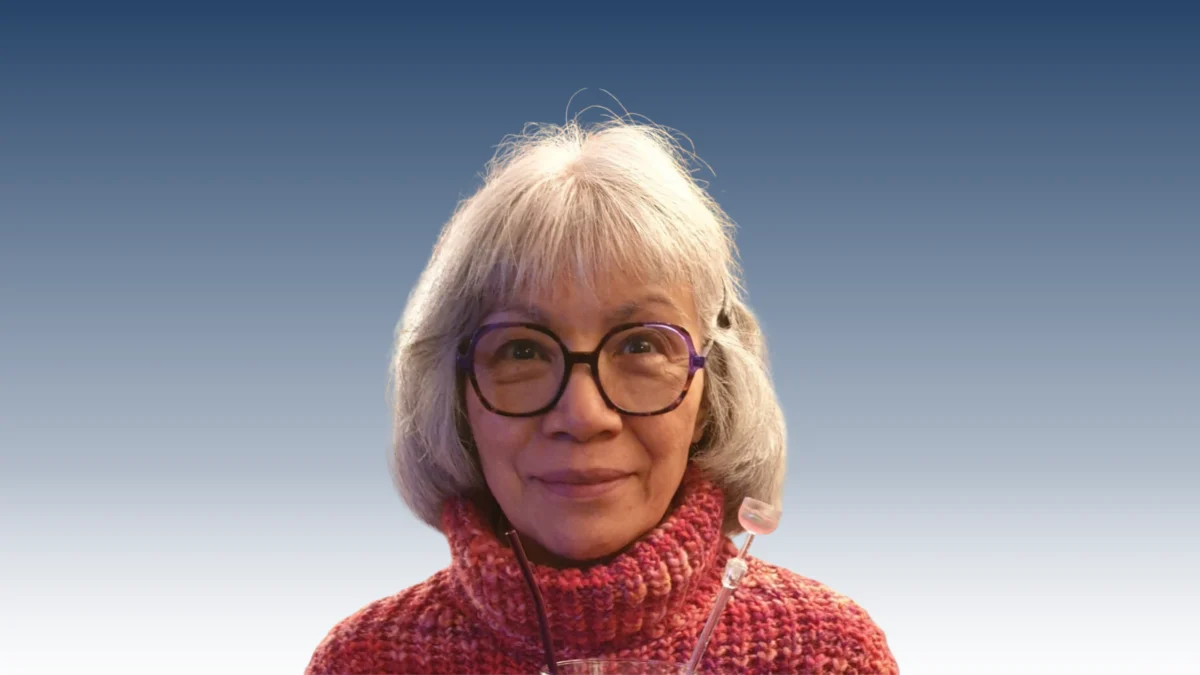
For many, the routine act of breathing is taken for granted. For Justine Hamaïde, a retired Telecom Engineer and change management consultant living in Paris, breathing became a complex, daily battle against an elusive and often misunderstood adversary: Non-Tuberculous Mycobacteria Pulmonary Disease (NTM-PD).
Hamaïde’s story is not merely one of personal medical struggle; it is a blueprint for patient advocacy. By founding MNT Mon Poumon Mon Air, she has transitioned from a patient seeking answers to a leader shaping the future of pulmonary care. Her journey highlights the critical need for earlier diagnosis, increased research funding, and a collaborative approach between patients, clinicians, and policymakers.
The Silent Struggle: Main Facts of NTM-PD
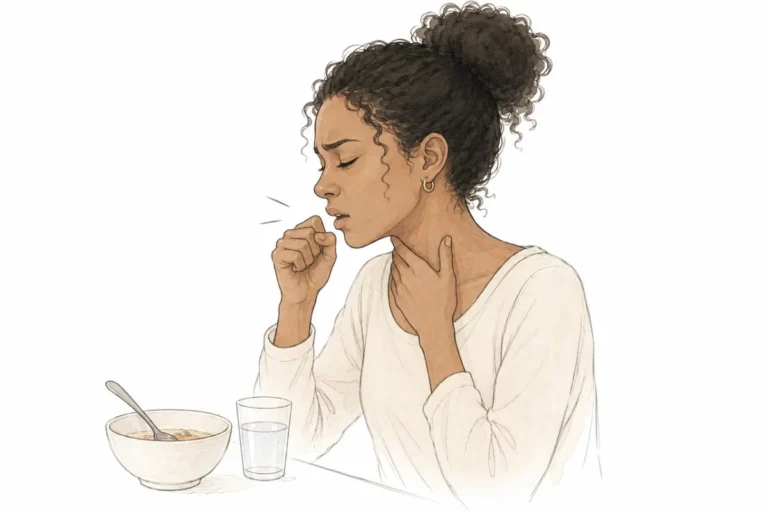
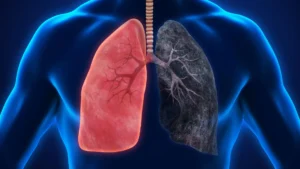
NTM-PD is a chronic, often progressive lung condition caused by non-tuberculous mycobacteria—bacteria commonly found in soil, dust, and water. While these organisms are ubiquitous in the environment, they only trigger infection in susceptible individuals, often those with underlying lung conditions like bronchiectasis.
The "invisibility" of the disease is its most defining trait. Because the bacteria are everywhere, patients often struggle to explain why they are chronically ill while those around them remain healthy. This leads to social isolation, as the disease is not immediately apparent to the naked eye. Furthermore, the treatment regimen is grueling: patients often endure 18-month courses of complex antibiotic therapy, which carry significant side effects, including extreme fatigue and disruption to daily professional and personal life.
A Three-Year Odyssey: Chronology of Diagnosis
Hamaïde’s experience serves as a cautionary tale regarding the diagnostic delays common in rare respiratory conditions.
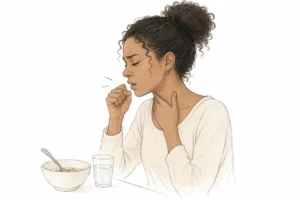
- 2015: The onset of persistent, recurring colds and bronchitis. Despite frequent medical visits, standard antibiotic treatments proved ineffective.
- 2015–2018: A period of uncertainty characterized by frequent sick leave, significant weight loss, and a lack of clear answers from the medical community.
- 2018: The formal diagnosis of bronchiectasis and NTM-PD. This revelation came as both a relief—providing a name to her suffering—and a shock, as the rarity and complexity of the treatment became apparent.
- 2020: Having processed the emotional weight of her condition with the help of psychological support, Hamaïde reached a turning point: she decided that the disease would not define her.
- 2022: Hamaïde completed her certification as a "patient partner," formalizing her role as an advocate who bridges the gap between lived experience and clinical practice.
- February 2023: The official launch of MNT Mon Poumon Mon Air, the first patient organization in France dedicated to NTM-PD.
Supporting Data and the Burden of Disease
The global burden of NTM-PD is difficult to quantify due to underdiagnosis, but the impact on quality of life is profound. Data suggests that patients face a "diagnostic odyssey" that can last several years, during which time lung damage may progress significantly.
The psychological toll is equally significant. As Hamaïde notes, the lack of a support network in the early stages of her diagnosis exacerbated her feeling of being alone. The necessity of wearing masks in public and strictly managing one’s environment—avoiding certain water sources, dust, and humidity—creates a constant state of hyper-vigilance. This physical and mental load is compounded by the high cost of long-term care and the lack of standardized, specialized care centers in many regions.
Official Responses and the Role of Patient Advocacy
The European Lung Foundation (ELF) and the European Respiratory Society (ERS) have increasingly prioritized the "patient voice" in clinical settings. The theme of the recent ERS Congress, "United for better breathing: partnership between patients, clinicians, and researchers," reflects this paradigm shift.
The Power of Collaboration
Hamaïde believes that when patients are invited to the table, the medical landscape changes. "Different points of view and types of knowledge are complementary," she explains. By participating as a patient chair at international congresses, Hamaïde demonstrates that patients can offer unique insights into the real-world management of chronic conditions—insights that scientific data alone cannot provide.
The Scientific Committee’s Contribution
A major pillar of the MNT Mon Poumon Mon Air success story is the engagement of a Scientific Committee composed of 10 leading NTM specialists. This partnership allows the organization to bridge the gap between complex medical research and patient-friendly information. Through webinars, these experts help decode topics like:
- Respiratory physiotherapy: Techniques to clear airways effectively.
- Adapted physical activity: Maintaining lung capacity without overexertion.
- Nutritional optimization: Supporting the immune system during prolonged antibiotic use.
Implications for the Future of Respiratory Health
The work done by Hamaïde and her colleagues has significant implications for future policy and medical practice.
For Healthcare Professionals
The message is clear: investigate minor, persistent respiratory symptoms earlier. Waiting for a patient’s condition to deteriorate before conducting specialized testing results in irreversible lung damage. A proactive approach is essential for long-term health outcomes.
For Policymakers
Funding remains the ultimate bottleneck. There is an urgent need for:
- Public Awareness Campaigns: To de-stigmatize the illness and help the public understand that NTM-PD is a genuine, environmental, and non-contagious medical condition.
- Research Investment: To develop shorter, more tolerable antibiotic regimens and eventually, curative treatments.
- Specialized Infrastructure: The creation of more dedicated NTM clinics to ensure patients receive consistent care regardless of their location.
A Message of Resilience
Justine Hamaïde’s journey is a testament to the power of the human spirit in the face of medical adversity. Her refusal to be defined by her condition has led to the creation of a community that provides the very support she lacked during her most vulnerable years.
"I have NTM-PD, but the disease does not define me," she states firmly. This sentiment serves as a beacon for other patients, encouraging them to remain optimistic, seek community, and advocate for their own health. As we recognize World NTM Awareness Day, the lesson of Hamaïde’s life is that through partnership, visibility, and relentless advocacy, we can turn the tide on rare respiratory diseases.
For those navigating the stormy waters of a chronic diagnosis, the path forward is clearer when walked together. Whether it is through participating in webinars, engaging with patient support groups, or advocating for policy reform, the collective voice of patients is the most powerful tool in the arsenal of modern medicine. As Hamaïde concludes, "We are stronger when we are united for better breathing."
For more information on NTM-PD and to learn how you can support the patient community, visit the European Lung Foundation or reach out to patient organizations like MNT Mon Poumon Mon Air.