











By Tayler Goectau
May 28, 2026
For many, the phrase "my ostomy bag saved my life" is synonymous with cancer battles or severe, visible inflammatory bowel disease (IBD). These conditions present with clear, measurable pathology—ulcerations, tumors, or acute infections—that provide a binary "to bag or not to bag" decision-making process. However, for patients living with Ehlers-Danlos Syndrome (EDS), the road to such a life-altering intervention is rarely straightforward. It is often paved with years of gaslighting, invisible suffering, and a medical system that is ill-equipped to handle the systemic complexities of connective tissue disorders.
Celebrating my two-year "stoma-versary," I am sharing my journey not just as a survivor, but as a testament to the reality that for the EDS community, the most profound medical interventions are often the ones the literature has yet to fully codify.
Understanding the Anatomy of Change
An ostomy is a surgical procedure that creates an opening, known as a stoma, in the abdominal wall. This allows waste to bypass the traditional digestive route, redirecting it into an external collection pouch.
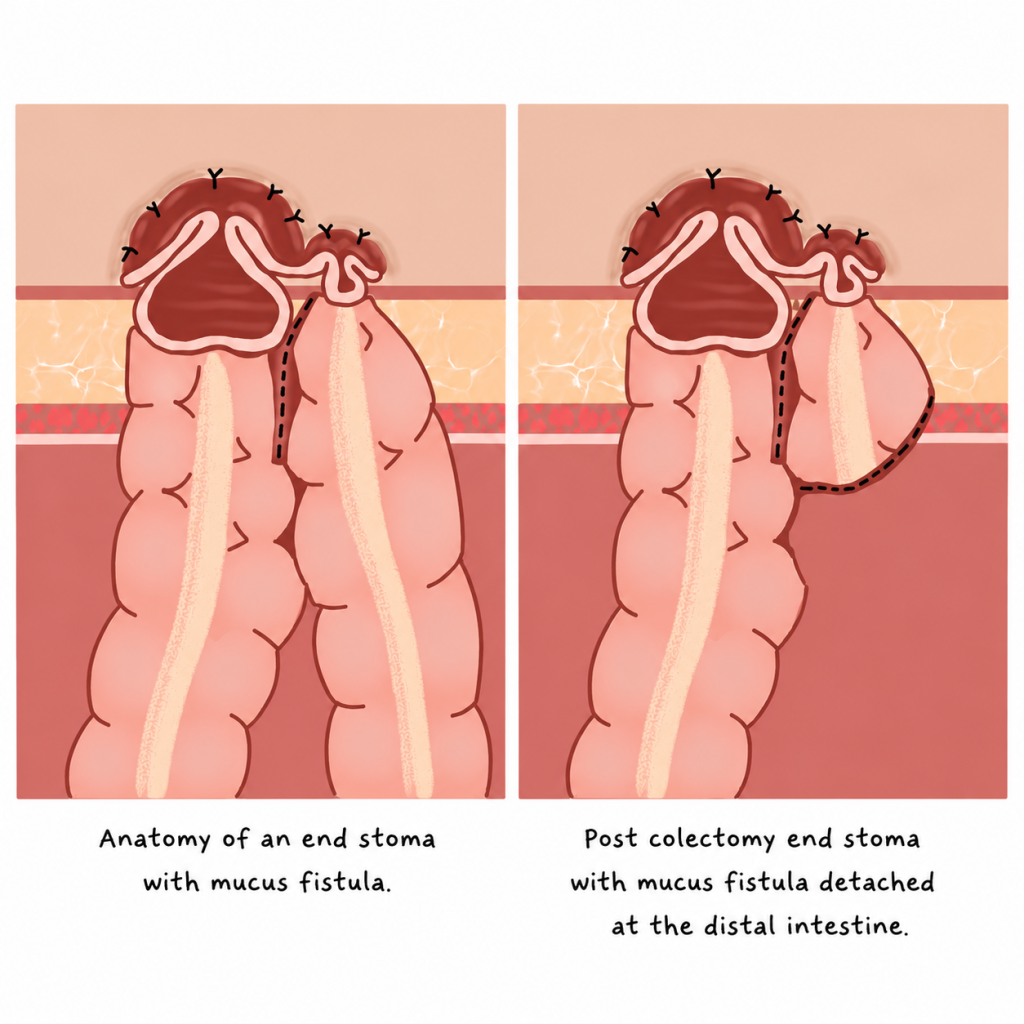
My journey involved a permanent end ileostomy, where the small intestine is brought to the surface after the removal of the colon. This differs significantly from a loop ostomy—often a temporary measure where a loop of bowel is exteriorized—or an end stoma with a mucus fistula, which is utilized when the large intestine remains in situ. For me, the choice was clear: the structural failure of my own anatomy necessitated a permanent redirection of my internal systems.
The Invisible Burden: EDS and Gastrointestinal Dysfunction
Ehlers-Danlos syndrome is a collection of hereditary connective tissue disorders. While often stereotyped as "just" hypermobility, EDS is fundamentally multisystemic. Connective tissue serves as the body’s scaffolding; when that scaffolding is faulty, it impacts blood vessels, organs, and the integrity of the digestive tract.
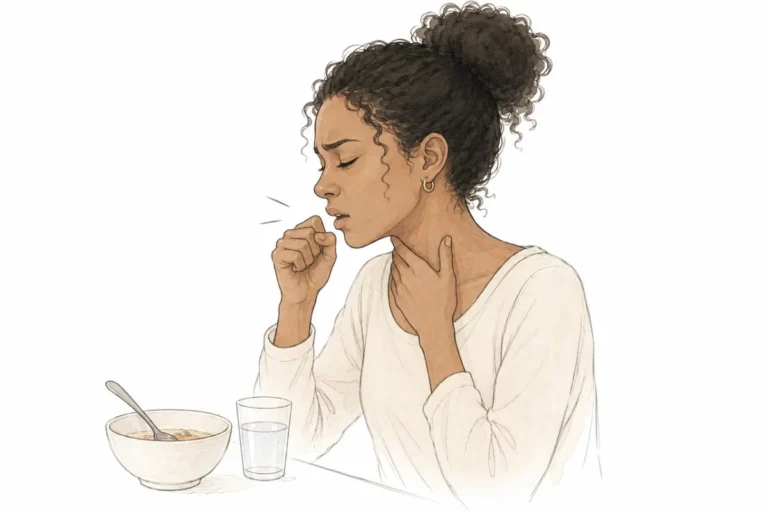
For me, the manifestation was chronic, debilitating gastrointestinal dysfunction. My medical history was a litany of "just constipation," a dismissive label that masked years of physical agony. From the hallways of elementary school, where I would double over in pain, to the isolation of my college years, where I feared leaving my home, the reality of my condition was ignored. I cycled through every standard recommendation: high-fiber diets, aggressive laxative regimens, and countless failed motility trials. At its peak, my symptoms included severe bloating, inability to pass stool, and systemic malaise that made daily function impossible.

A Chronology of Discovery: The Cascade of Testing
The turning point arrived when I stopped accepting the status quo. I began to push for advanced imaging and specialist consultations that looked beyond the standard IBS diagnosis. This led to a series of diagnostic tests, including:
- Sitz Marker Studies: To assess the transit time of stool through the colon.
- Defecography: To visualize the mechanics of the pelvic floor and rectum.
- CT Enterography: To identify potential anatomical shifts or obstructions.
- Pelvic Floor Manometry: To measure the coordination of the anal sphincter and pelvic muscles.
Throughout this process, I frequently found myself in the role of the educator, providing radiologists and surgeons with the latest research on visceroptosis—a condition where organs drop below their normal position due to lax connective tissue—and other EDS-specific GI complications. It was not enough to be a patient; I had to become my own case manager to secure the imaging required to justify surgery.
The Surgical Reality
When a colorectal surgeon finally validated the necessity of a permanent ostomy, the reaction was mixed. The word "permanent" carries a weight that is difficult to describe. My anxieties were myriad: Will it leak? Will I smell? How will this impact my identity, my clothing, my intimacy?
Yet, these fears were secondary to the reality of my daily life. I realized that my hesitation was, in part, a form of self-gaslighting. I was mourning a body that had never truly worked for me in the first place.
My transition happened in two stages. First, the stoma creation provided immediate, life-changing relief from the bloating and pressure that had plagued me for decades. A year later, I underwent a total colectomy—a ten-hour procedure to remove over seven feet of colon that had become, essentially, dead weight. The recovery was non-linear, as is common for those with EDS, but the outcome was undeniable. The moment my ostomy was functional, I was finally able to reclaim my autonomy.
Implications for the Medical Community
My story is not an outlier; it is a call to action. For the thousands of EDS patients navigating unexplained, treatment-resistant GI symptoms, the message is clear: You are not imagining your pain. "Just constipation" is not a diagnosis; it is a symptom of a systemic failure that requires thorough investigation.
For medical providers, the implication is equally urgent. When an EDS patient presents with a lifetime of gastrointestinal dysfunction that does not respond to standard interventions, the "rare" or "structural" possibilities must be prioritized. We must move beyond the bias that labels complex, invisible symptoms as psychosomatic or exaggerated.
Beyond the Stoma: Advocacy and Education
Living with an ostomy is not without its challenges. Leaks, skin irritation, and the initial grief of a permanent life change are all part of the healing process. However, these challenges are dwarfed by the freedom I have regained.
This realization prompted me to launch a small business sewing custom ostomy bag covers, turning a medical necessity into a form of self-expression. My advocacy has since taken me across the globe, including a recent trip to Kenya with Campaign 52 to provide resources and education at a women’s hospital specializing in colorectal disorders.
Looking back at the person I was two years ago—isolated, exhausted, and fighting to be heard—I can say with absolute confidence that this journey saved my life. By documenting the honest, unvarnished reality of living with an ostomy, I hope to provide a roadmap for those who are still waiting for their own answers.
Key Takeaways for Patients and Providers
- Validate the Invisible: Chronic GI symptoms in EDS patients are often structural and require specialized investigation beyond standard motility tests.
- Advocacy is Essential: Never apologize for seeking second opinions or bringing research to your surgical team. You are the expert on your own body.
- Community Matters: You are not alone. Whether it is finding a Facebook support group for rare conditions or connecting with advocates on social media, the shared knowledge of the community is an invaluable resource.
- Life Continues: An ostomy is not the end of a lifestyle; it is often the beginning of a life lived without the burden of chronic pain.
Disclaimer: The experiences described in this article are those of the author and may not reflect the experiences of all people with EDS, gastrointestinal dysmotility, visceroptosis, or ostomies. Discussion of diagnostic testing, surgical interventions, and treatment outcomes is provided for educational purposes only and should not be interpreted as medical advice. Readers should consult their healthcare team regarding their individual circumstances.
Author Information:
Tayler Goectau
Clinical Research Coordinator & Disability Advocate
@distaaybled