










Date: 16 July 2026
Subject: A comprehensive overview of international progress in respiratory patient advocacy and community empowerment.
Introduction: The Pulse of Global Patient Advocacy
The landscape of patient advocacy is undergoing a period of rapid, meaningful transformation. As we reach the mid-point of 2026, the Patient Organisation Network continues to serve as a vital nexus for communication, research, and support. Across the globe, patient-led organisations are no longer just providing support; they are actively shaping the regulatory, clinical, and social frameworks that define respiratory health. From the halls of the European Medicines Agency (EMA) to grassroots screening initiatives in the Himalayas, the collective voice of those affected by lung conditions is louder and more influential than ever.
This round-up explores the critical initiatives launched in June and July 2026, highlighting how these organisations are bridging the gap between lived experience and medical innovation.
Chronology of Key Developments: June–July 2026
The past six weeks have been marked by a flurry of activity, demonstrating a global trend toward multidisciplinary care and evidence-based advocacy:
- 3 June: FairLife Lung Cancer Care hosts a landmark webinar on the necessity of multidisciplinary teams in oncology.
- 18 June: The Spanish Association for Empty Nose Syndrome (AESNV) announces a pioneering research partnership with Flowgy.
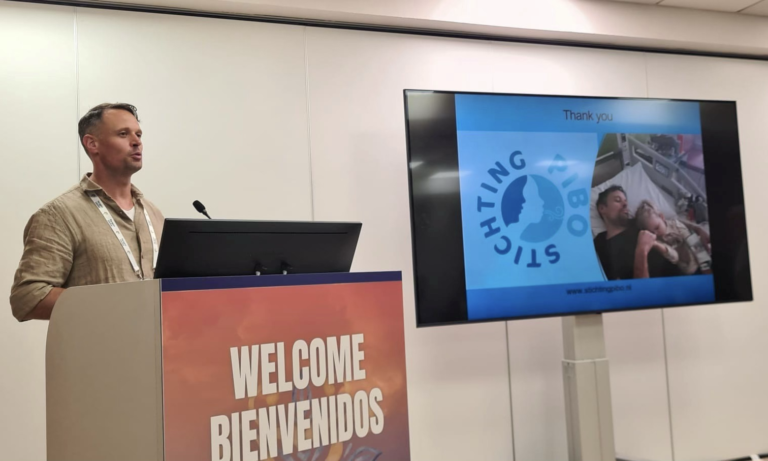
- 25 June: The Dutch PIBO Foundation presents critical findings on family impacts at the International Society of Pediatric Respiratory Diseases Congress.
- Late June: The Alpha-1 Europe Alliance (A1EA) achieves official eligibility status with the EMA, marking a major milestone for rare disease representation.
- Early July: Publication of the Lung Cancer Europe 2026 Mid-Year Report, setting the agenda for the remainder of the year.
Supporting Data: Translating Experience into Policy
The initiatives highlighted this month are not merely symbolic; they are driven by a demand for data-backed improvements in healthcare.
The Human Toll: PIBO and Family Dynamics
The PIBO Foundation’s recent presentation in Bologna brought forward harrowing but necessary data regarding post-infectious bronchiolitis obliterans. By quantifying the emotional and financial strain on caregivers, the foundation is pushing for a shift in pediatric respiratory care—moving away from a purely clinical focus to a holistic model that integrates mental health and social support. Their upcoming international survey is expected to provide the largest dataset to date on the day-to-day realities of PIBO families.
Bridging the Gap in Oncology
FairLife Lung Cancer Care’s recent event, "Treatment in Lung Cancer is Not the Work of One Doctor: It Takes a Team," reached an audience of over 1,680 stakeholders. This figure is significant not just for its scale, but for its composition: the inclusion of policymakers alongside clinicians and patients signals a shift in the standard of care. Multidisciplinary care is no longer being discussed as an "ideal," but as a requisite for improving survival rates and patient quality of life.
Regulatory Recognition for Rare Diseases
Perhaps the most significant structural victory this year is the Alpha-1 Europe Alliance (A1EA) gaining formal recognition from the EMA. For years, rare disease groups have struggled to find a seat at the regulatory table. With this status, A1EA now has a formal mandate to participate in consultations, ensuring that the specific nuances of living with Alpha-1 Antitrypsin Deficiency are considered in the drug approval process.
Official Perspectives and Organizational Missions
Lung Cancer Europe (LuCE): A Mid-Year Assessment
The 2026 Mid-Year Report from LuCE serves as a roadmap for the future of European lung cancer advocacy. The report underscores three core pillars:
- Access: Ensuring equitable distribution of biomarker testing across all EU member states.
- Education: The launch of a new Charter to standardize patient care.
- Identity: A brand refresh that mirrors the organization’s evolving role as a high-level policy advocate.
Community-Based Impact in Nepal
While European and North American groups focus on regulatory advocacy, the National Health Action Force Nepal (NHAFN) is operating on the front lines. Their "Swastha Saans Nepal" (Healthy Breath Nepal) project is a testament to the power of decentralized healthcare. By deploying spirometry units directly into remote communities, they are identifying undiagnosed cases of COPD and bronchiectasis in populations that would otherwise remain invisible to the national health system.

Implications: The Future of Respiratory Care
The events of the last two months indicate three clear trends that will define the remainder of 2026 and beyond.
1. The Rise of the "Expert Patient"
From ALK Positive UK’s Talking Points guide to the Dutch PH Foundation’s patient-led workshops, there is an clear mandate for patient autonomy. Patients are no longer passive recipients of care; they are becoming informed partners who require tools to navigate complex health systems. By providing resources that help patients prepare for consultations, these organisations are actively reducing the power imbalance between clinicians and those they treat.

2. Integration of Rare and Common Conditions
There is a growing convergence between rare disease advocacy and mainstream respiratory care. As seen with the Aspergillosis Trust’s participation in the World Bronchiectasis Conference, there is a realization that rare diseases like aspergillosis are often comorbidities of broader respiratory issues. This cross-pollination of knowledge is essential for accurate, early diagnosis.
3. The Digital and Global Reach
The use of digital platforms to disseminate information—whether through webinars reaching 1,600+ viewers or international research collaborations like the AESNV/Flowgy partnership—proves that geographic barriers are diminishing. The global exchange of best practices is accelerating the adoption of innovative diagnostic tools and patient support structures.
Conclusion: A Call to Action
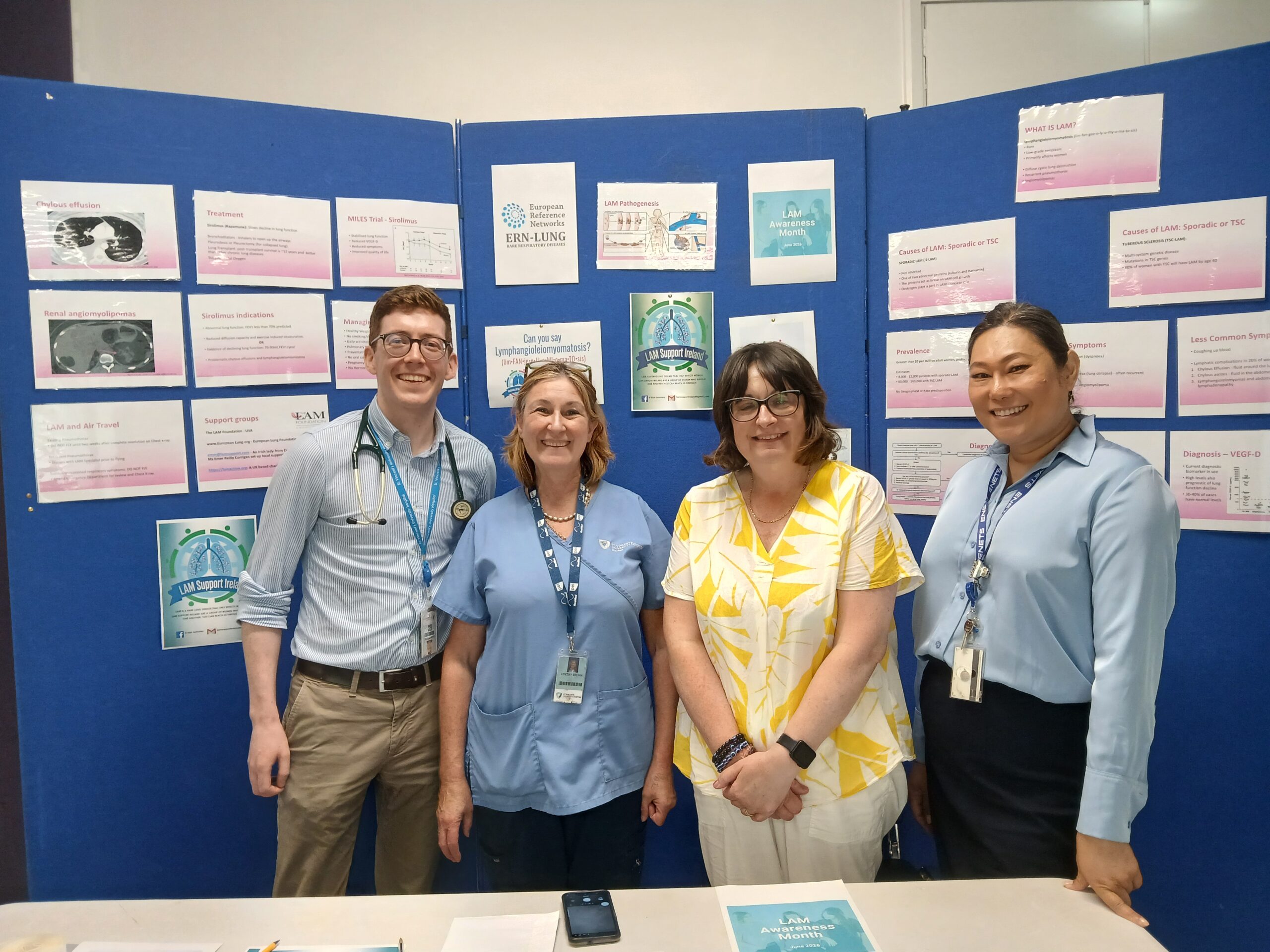
The work performed by these organisations—whether it is raising awareness at a hospital in Dublin (LAM Support Ireland) or engaging in global hackathons for pulmonary hypertension (PHURDA)—is the bedrock of modern respiratory health.
As we look toward the final quarter of 2026, the challenge for these organisations remains the same: to turn these successes into sustained systemic change. The patient voice is currently more organized, data-literate, and globally connected than at any point in history. The implications are profound: better, more personalized care, more robust research, and a healthcare system that finally listens to those it is designed to serve.
Join the movement: The strength of these organisations lies in their community. Whether you are a patient, a caregiver, or a healthcare professional, your engagement is the fuel for future policy changes. Sign up for the Patient Organisation Network mailing list to stay informed, get involved, and ensure that your voice is heard in the corridors of power.
Disclaimer: This article summarizes activities from independent patient organizations. For more detailed information, please visit the official websites of the respective groups mentioned above.