










For decades, creatine has been the staple of gym bags and locker rooms worldwide, a well-regarded performance enhancer used by athletes to build muscle and increase explosive power. However, groundbreaking research emerging from the University of California, Los Angeles (UCLA) suggests that this humble supplement may possess a far more profound utility: serving as a secret weapon in the human body’s war against cancer.
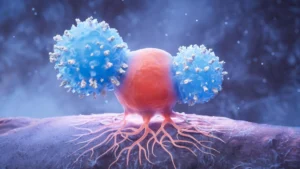
A new study published in the journal iScience has unveiled a previously unknown role for creatine in fueling the immune system’s "command center." By energizing dendritic cells—the specialized sentinels that hunt for tumors and coordinate the immune response—creatine could potentially bridge the gap for the millions of cancer patients for whom current immunotherapy treatments fall short.
The Main Facts: Bridging the Immunotherapy Gap
Modern cancer immunotherapy, particularly checkpoint blockade, has been a transformative development in oncology. By "taking the brakes off" the immune system, these treatments allow killer T cells to identify and destroy malignant tumors. Yet, despite the clinical success stories, the reality is sobering: only 20% to 40% of patients experience a meaningful, long-term response to these therapies.
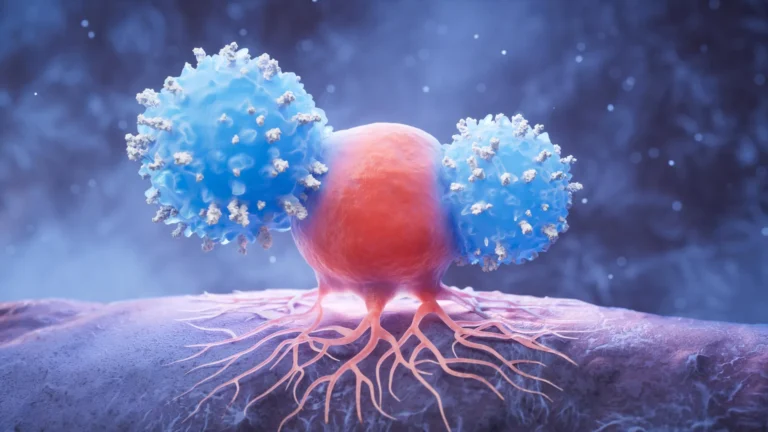
The UCLA research suggests that the limitation lies not just in the "soldiers" (the T cells) but in the "generals" (the dendritic cells). Dendritic cells are responsible for detecting tumor antigens and presenting them to T cells, effectively signaling them to attack. When these dendritic cells are underpowered or suppressed by the harsh, nutrient-depleted environment of a tumor, the immune response stalls.
The UCLA team discovered that creatine serves as a vital energy substrate for these dendritic cells. By increasing intracellular adenosine triphosphate (ATP)—the cellular currency of energy—creatine allows dendritic cells to remain active, mobile, and capable of priming T cells, even in the hostile microenvironment of a tumor.
Chronology of Discovery: From Muscle Tissue to Immune Defense
The path to this discovery was not linear. It began with the laboratory of Dr. Lili Yang, a professor of microbiology, immunology, and molecular genetics at UCLA, who has spent years investigating the metabolic requirements of immune cells.
The Foundation (2019)
The team’s interest in creatine was sparked by earlier investigations into T cell metabolism. In 2019, Dr. Yang’s lab published findings demonstrating that creatine plays a critical role in enhancing the function and survival of cytotoxic T cells. This established the premise that creatine wasn’t just for building skeletal muscle; it was a fundamental metabolic fuel for immune activation.
The Dendritic Connection (Present Day)
Following the T cell success, the researchers pivoted to dendritic cells. Using advanced genetic sequencing and metabolomics, they observed that dendritic cells infiltrating tumors expressed significantly higher levels of the creatine transporter—a protein that acts as a gatekeeper, pulling creatine from the bloodstream into the cell.
When the researchers engineered "creatine-deficient" dendritic cells, the results were dramatic. These cells struggled to survive, failed to activate effectively, and were unable to properly train T cells to recognize cancer. Conversely, when the team provided supplemental creatine to mice with melanoma, they observed a significant slowing of tumor growth. The treated dendritic cells were not only more numerous but were also actively releasing chemical signals to recruit more reinforcements to the tumor site.
Supporting Data: The "Rechargeable Battery" Effect
The mechanism behind this phenomenon is elegant in its simplicity. Within the tumor microenvironment, immune cells are forced to compete with cancer cells for limited glucose and oxygen. This metabolic "starvation" often causes dendritic cells to become exhausted.
According to the study, creatine functions much like a rechargeable battery for these cells. By supplementing with creatine, the researchers were able to bypass the cells’ reliance on scarce nutrients, bolstering their ATP reserves. This energy surplus maintained the inflammatory signaling pathways necessary for the dendritic cells to perform their "duties."
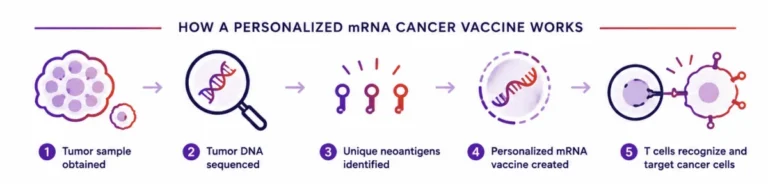
In laboratory experiments using human monocyte-derived dendritic cells—the same cells used to develop personalized cancer vaccines—the addition of creatine resulted in a more robust activation profile. This suggests that the supplement doesn’t just improve systemic immunity; it could be used as a "manufacturing aid" to create more potent, high-quality dendritic cell vaccines before they are even injected into a patient.
Official Perspectives: Experts Weigh In
The implications of this research have drawn significant attention from the immunology community. Dr. Lili Yang, the study’s senior author and a member of the Eli and Edythe Broad Center of Regenerative Medicine and Stem Cell Research at UCLA, emphasized the "holistic" potential of the finding.
"Immunotherapy has shown remarkable promise, but it only works for a subset of patients," Dr. Yang stated. "What this study shows is that creatine doesn’t just help the T cells fighting cancer—it also energizes the entire infrastructure that supports and guides them. That makes creatine a promising supplement to holistically support the immune response that modern immunotherapies depend on."
The study’s co-first authors, James Elsten-Brown and Elliot Kang, highlighted the dual-pronged nature of this discovery. For Elsten-Brown, the focus is on the clinical applications: "The potential we see here is that creatine could be used in two complementary ways: as a supplement to enhance the immune response of patients already receiving immunotherapy, and as a tool to improve the quality of dendritic cell-based vaccines before they’re administered."
Kang added, "Understanding how to metabolically support dendritic cells is about supporting the entire anti-tumor response, not just the killer T cells at the end of it."
Clinical Implications and Future Directions
While the prospect of a widely available, low-cost, and safe supplement potentially boosting cancer treatment is exciting, the research team is adamant about the need for caution. The study was conducted primarily in mouse models and laboratory-grown human cells. It has not yet been tested in human cancer patients.
A Call for Clinical Caution
Researchers and medical professionals warn that patients should not begin self-medicating with creatine in the hopes of treating an active cancer. Although creatine monohydrate is generally safe, cancer is a complex disease, and metabolic interventions must be carefully managed by oncologists. The interaction between exogenous creatine and various chemotherapy or immunotherapy regimens remains an open question that must be addressed through rigorous, prospective clinical trials.
The Path Toward Translation
The next logical step for the UCLA team is to design human clinical trials to test whether creatine supplementation can improve the outcomes for patients currently undergoing immunotherapy. Such trials will be essential to determine optimal dosing, timing, and patient selection criteria.
Furthermore, the research has already moved into the intellectual property sphere, with a patent application filed by the UCLA Technology Development Group on behalf of the Regents of the University of California. This underscores the potential commercial and clinical interest in developing "metabolic boosters" as a new class of adjuvant therapy in oncology.
Conclusion: A New Frontier in Metabolic Oncology
The narrative of creatine is shifting from the realm of performance enhancement to the frontier of life-saving medicine. By identifying the metabolic "bottleneck" that prevents the immune system from fully engaging with tumors, the UCLA team has opened a new door for cancer research.
If future trials confirm that creatine can indeed act as a force multiplier for the immune system, it would represent a significant shift in oncology—moving away from solely focusing on the cancer cell and toward empowering the body’s innate defense mechanisms. For now, the scientific community waits with cautious optimism, hopeful that this common molecule may eventually provide a powerful, accessible, and vital boost to the next generation of cancer treatments.
Disclaimer: This article is for informational purposes only and does not constitute medical advice. The experimental approaches described have not been tested in humans or approved by the Food and Drug Administration (FDA) for the treatment of cancer. Always consult with a licensed physician or oncologist before starting any new supplement regimen during cancer treatment.