











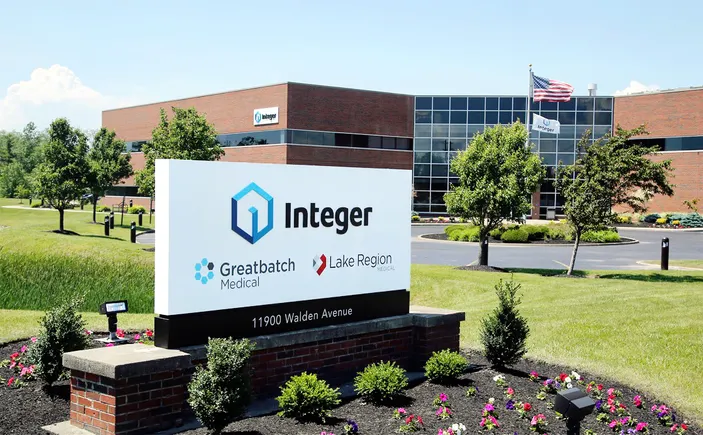
Main Facts: A Landmark Acquisition in the Medtech Supply Chain
In a significant consolidation move within the medical technology manufacturing sector, investment giant KKR has entered into a definitive agreement to acquire Integer Holdings Corporation, a leading developer and manufacturer of finished medical devices and critical components. The all-cash transaction, valued at approximately $127 per share, marks a pivotal moment for a company that serves as the backbone for some of the world’s largest healthcare conglomerates.
The acquisition price represents a substantial premium of more than 51% over Integer’s closing share price on April 29, 2026—the day prior to the company’s public announcement that it had initiated a strategic review to maximize stockholder value. This robust valuation underscores the high demand for specialized contract manufacturing in an era where major medtech OEMs (Original Equipment Manufacturers) are increasingly reliant on third-party expertise to navigate complex supply chain landscapes.
The deal, which is subject to customary closing conditions including regulatory approvals and the affirmative vote of Integer’s shareholders, is slated to close by the end of the current calendar year.
Chronology of the Deal: From Strategic Review to Buyout
The path to this acquisition began in early spring 2026, when Integer Holdings leadership recognized a shifting market environment.
- April 2026: Integer Holdings officially announced the launch of a comprehensive strategic review. The board of directors signaled that they were exploring all options, including a potential sale, citing “strong interest” from third-party entities. At this time, the company’s stock was trading at a valuation that many analysts felt did not fully reflect the company’s long-term utility in the high-growth cardiac and neuromodulation sectors.
- May–July 2026: Throughout the second quarter, Integer engaged with various potential suitors, including private equity firms and strategic industry players. During this period, the company continued its operational focus while navigating a complex regulatory and economic landscape.
- August 2026: Following the release of the company’s second-quarter earnings, the board of Integer Holdings formally accepted the offer from an affiliate of investment funds managed by KKR. The board determined that the all-cash offer provided superior, immediate value to shareholders compared to the risks of remaining a standalone entity in a volatile market.
Supporting Data: Understanding Integer’s Role in the Ecosystem
To understand why KKR has made such an aggressive play for Integer, one must look at the company’s essential role in the global medical device ecosystem. Integer is not merely a manufacturer; it is a critical partner to the "Big Three" of medical technology: Abbott, Boston Scientific, and Medtronic.
Core Product Segments
Integer’s portfolio includes high-precision components that are essential for life-saving technologies, including:
- Electrophysiology Catheters: Used in the treatment of cardiac arrhythmias.
- Cardiac Leads: Critical components in pacemakers and defibrillators.
- Specialized Medical Batteries: Power sources that require extreme reliability and longevity, often used in implantable devices.
Financial Performance Overview
The announcement of the acquisition arrived alongside the company’s second-quarter 2026 financial results. Integer reported quarterly sales of $464 million, representing a 2.6% decrease compared to the previous year.
Market analysts point out that while this slight dip reflects ongoing global supply chain pressures and the stabilization of post-pandemic demand, Integer’s underlying margins and long-term contracts remain highly attractive to private equity buyers. KKR’s investment strategy appears to focus on Integer’s ability to scale production and streamline operational efficiencies, leveraging its massive install base of long-term service agreements with Tier-1 medtech firms.
Official Responses and Strategic Rationale
While neither KKR nor Integer leadership has provided extensive commentary beyond the initial press filings, the industry consensus is that the deal represents a "buy-and-build" strategy.
For Integer, the move away from public equity markets allows the company to focus on long-term capital investments—such as automating manufacturing facilities and expanding R&D capabilities—without the pressure of quarterly earnings calls.
For KKR, this acquisition is an entry point into the highly defensive and lucrative medical device outsourcing market. As medtech companies face increasing pressure to reduce costs and shorten time-to-market, they are outsourcing more of their production to firms like Integer. KKR is effectively betting on the continued growth of the cardiac and neuromodulation device markets, which are expected to expand as global populations age and demand for advanced surgical interventions grows.
Implications: What This Means for the Medtech Industry
1. Increased Consolidation
The Integer-KKR deal is a bellwether for the broader medtech manufacturing sector. As the industry faces greater regulatory scrutiny and the need for higher capital expenditure (CapEx) to meet demand, smaller contract manufacturers may find it increasingly difficult to compete. Expect to see further M&A activity as private equity firms seek to consolidate the fragmented medical component supply chain.
2. Stability for Tier-1 OEMs
For companies like Abbott and Medtronic, the acquisition by KKR is likely to be viewed as a positive development. Private equity ownership often brings a mandate for operational excellence and capital discipline. Provided that KKR maintains Integer’s quality standards and manufacturing throughput, these major OEMs can expect a reliable, well-funded partner capable of meeting their complex supply requirements.
3. Impact on Innovation
One concern for regulators and industry observers will be the potential impact on innovation. When a contract manufacturer is owned by a private equity firm, there is sometimes a risk that R&D spending could be trimmed to maximize short-term cash flow. However, in the medical device sector, R&D is often contract-driven—meaning Integer’s innovation is tethered to the requirements of their OEM partners. As long as those partners demand new, smaller, and more efficient components, Integer will likely continue its R&D trajectory.
4. Regulatory Hurdles
The deal is subject to customary antitrust reviews. While Integer and KKR operate in different spheres—one in manufacturing, one in investment—regulators will examine whether this acquisition gives KKR an unfair level of control over the supply chains of critical life-saving devices. However, given that Integer is a contract manufacturer rather than a branded medical device competitor, the path to regulatory approval is expected to be relatively clear.
5. Investor Sentiment and the "Strategic Review" Trend
The $127 per share offer serves as a strong validation for the "strategic review" process. Integer’s decision to listen to market interest in April has effectively resulted in a windfall for its shareholders. This outcome will likely encourage other boards of mid-cap industrial and medical companies to be more proactive in evaluating their own strategic options when market volatility causes share prices to deviate from intrinsic value.
Conclusion: A New Chapter for Integer
As the 2026 year-end approaches, all eyes will be on the closing of the KKR-Integer deal. For the employees, clients, and investors associated with Integer Holdings, this transition represents a fundamental shift in the company’s identity. Moving from a publicly traded entity to a portfolio company of one of the world’s most powerful investment firms, Integer will enter a phase of increased capital availability and operational focus.
The medical device manufacturing landscape is evolving, and the acquisition of Integer is a clear indicator that the "behind-the-scenes" players of the healthcare industry are becoming just as valuable as the consumer-facing brands they supply. If KKR’s thesis proves correct, Integer will emerge as a leaner, more efficient, and more formidable engine of medical innovation in the years to come.