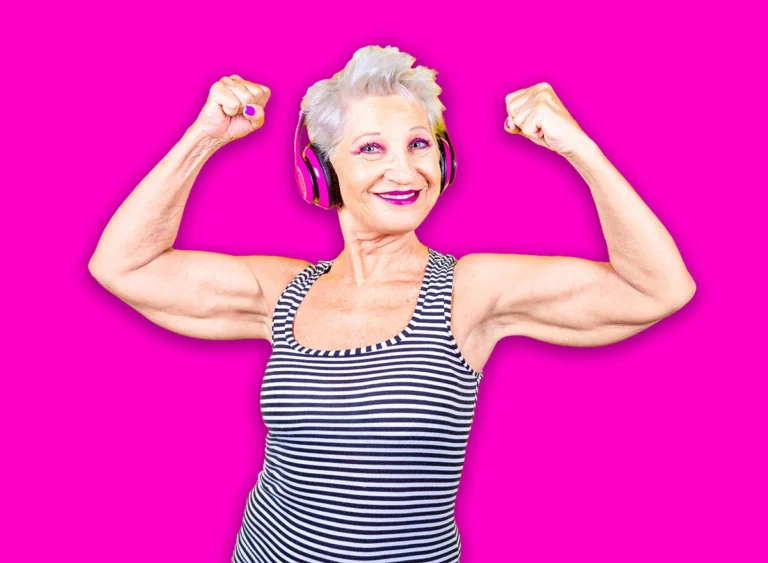









For decades, the standard advice for longevity has centered on cardiovascular health. While aerobic exercise—walking, swimming, and cycling—remains a pillar of heart health and endurance, it is only half of the equation. As we cross the threshold into our 60s and beyond, the focus of physical fitness must undergo a strategic shift. To truly "age stronger," we must prioritize the structural integrity of our bodies.
Strength training is no longer an optional "extra" for the younger demographic; it is a medical necessity for the aging population. By focusing on foundational, classic movement patterns, you can preserve the muscle mass, bone density, and functional independence that define a high quality of life.
The Biological Imperative: Why Muscles Matter After 60
The scientific consensus is clear: sarcopenia—the age-related loss of muscle mass and strength—is one of the most significant contributors to frailty in older adults. Starting in our 30s, we naturally begin to lose muscle, but this process accelerates significantly after age 60. This isn’t just about aesthetics; it is about metabolic health, glucose regulation, and the ability to navigate the physical world safely.
When you engage in consistent strength training, you aren’t just "lifting weights." You are signaling to your endocrine system to maintain bone mineral density, improving your hormonal profile, and enhancing your metabolic rate. Research indicates that resistance training can help mitigate the risk of falls—a leading cause of injury in the elderly—by improving balance and proprioception.
The Four Pillars of Functional Movement
The reason "classic" strength exercises endure is that they mirror the movements we perform in daily life. Whether you are lifting a grocery bag, rising from an armchair, or reaching for a high shelf, your body relies on specific patterns: the squat, the push, the hinge, and the pull.
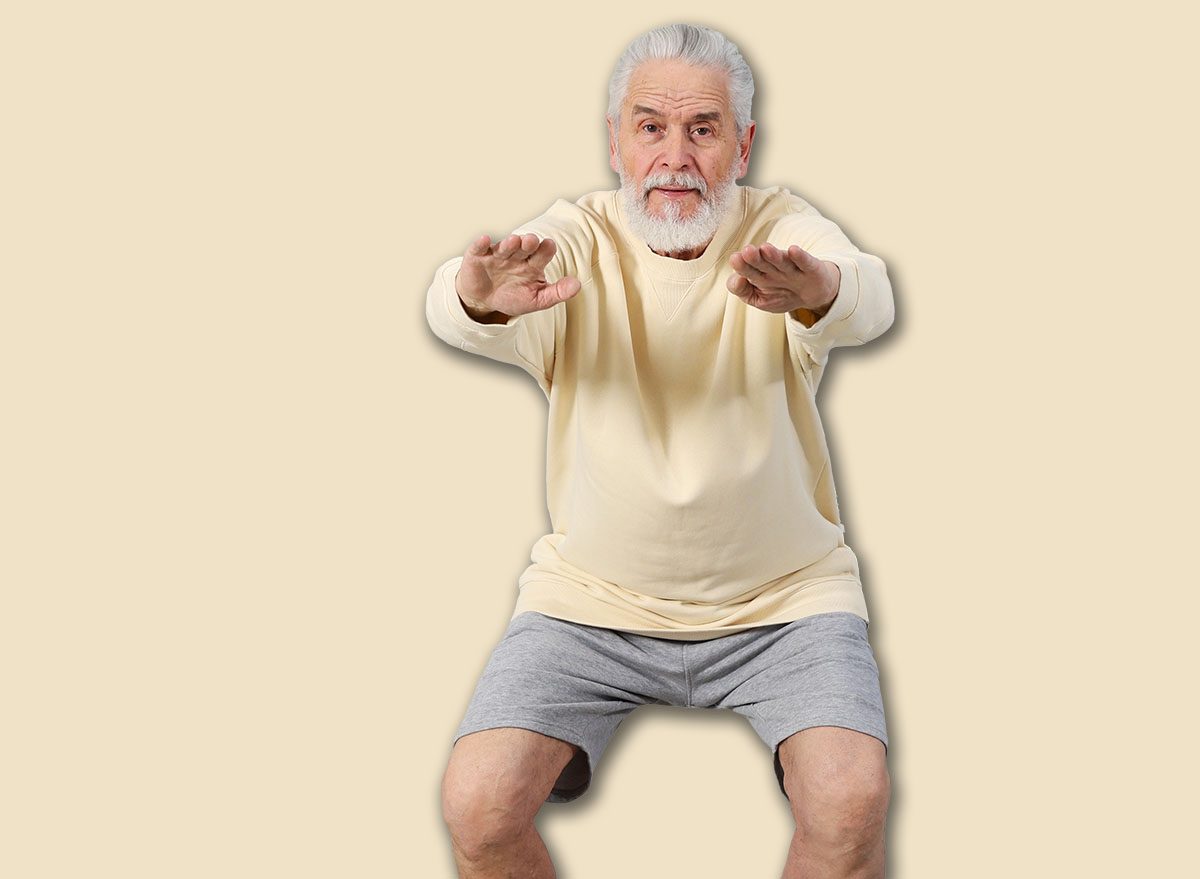
1. The Bodyweight Squat: Restoring Independence
The squat is the ultimate "life skill." Every time you sit down on a couch or stand up from the toilet, you are performing a squat. When this pattern is lost, independence is often the first thing to follow.
- The Mechanics: The bodyweight squat engages the entire posterior chain—glutes, hamstrings, and calves—while requiring core stabilization.
- Practical Application: If you find a full-depth squat challenging, start with "box squats" by sitting back onto a chair and standing back up. This builds confidence and ensures the correct depth is achieved safely.
- Form Tip: Keep your weight distributed evenly across your feet, avoiding the tendency to let your heels lift off the ground.
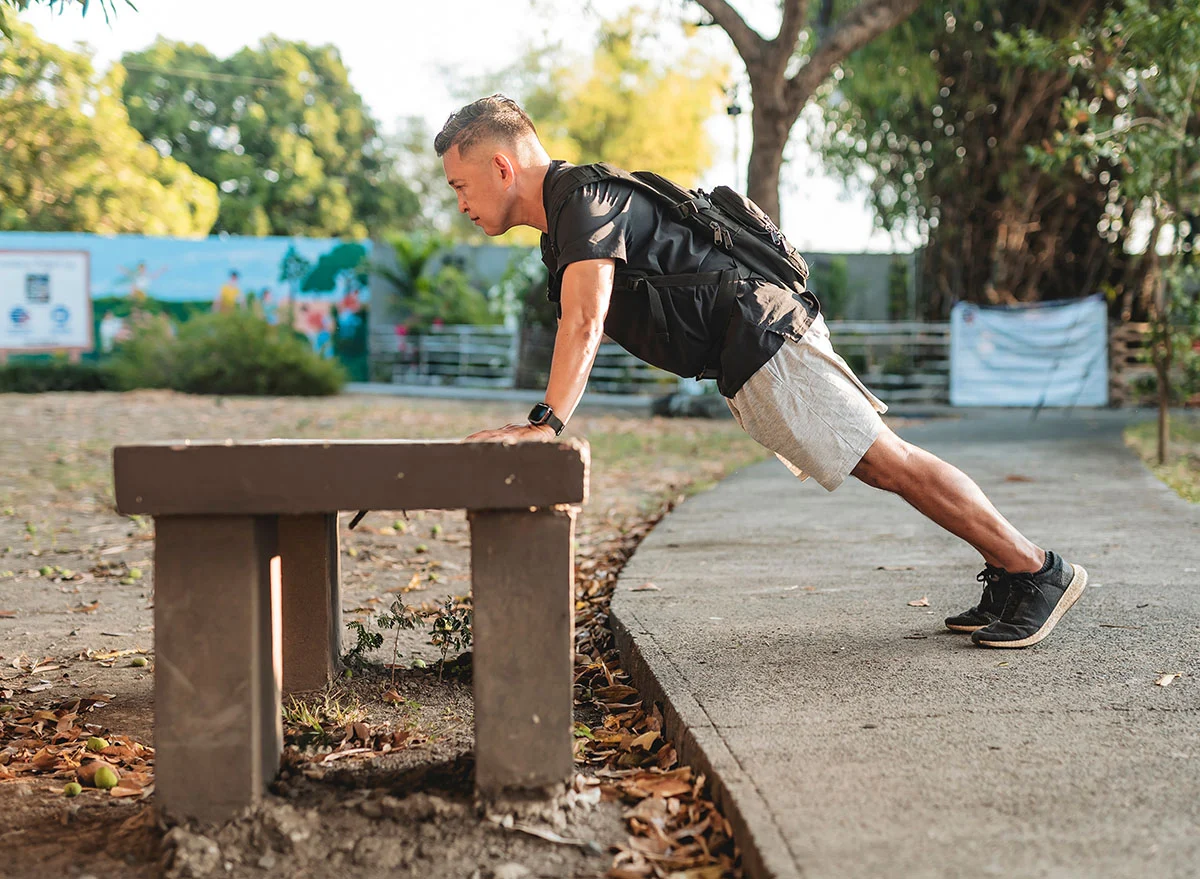
2. The Incline Push-Up: Upper-Body Resilience
Traditional floor push-ups can be harsh on the wrists and shoulders for those with mobility constraints. The incline push-up offers a scalable, highly effective alternative. By elevating your hands against a counter or a sturdy piece of furniture, you reduce the load on your joints while still forcing the chest, triceps, and shoulders to work against gravity.
- Why it works: It forces the core to remain rigid, preventing the lumbar spine from sagging. This builds "bracing" strength, which is essential for protecting the lower back during everyday activities.
- Progression: As you get stronger, you can move from a high surface (like a wall) to a lower one (a kitchen counter), gradually increasing the difficulty.
3. The Kettlebell Deadlift: Protecting the Spine
The deadlift is often misunderstood as a "gym bro" move, but it is actually the most essential movement for spinal health. It teaches you how to pick up heavy objects safely by using your hips as a hinge rather than your lower back as a lever.
- The Benefit: By mastering the hinge, you reinforce the glutes and hamstrings—the largest, most powerful muscles in the body. When these muscles are strong, the burden of lifting is taken off the delicate discs of the lower back.
- Safety First: Because the kettlebell sits between the feet, the center of gravity is perfectly balanced. This prevents the "rounding" of the shoulders often associated with picking up items incorrectly.
4. The Standing Band Row: Counteracting the "Slouch"
Modern life is defined by forward-reaching tasks—driving, typing, and cooking. Over time, this pulls the shoulders forward, leading to rounded posture and upper-back weakness. The standing band row is the perfect antidote.
- The Goal: By pulling resistance toward your torso, you engage the rhomboids, lats, and rear deltoids. This "retraction" helps pull the shoulders back into alignment, opening up the chest and improving respiratory capacity.
- Standing Stability: Performing this while standing—rather than sitting—forces your core to activate to stabilize your body against the pull of the band.
Chronology of Progress: A Roadmap for Consistency
If you are just starting or returning to exercise, the key is not intensity; it is consistency. Following a structured approach helps build the habit of movement.
Weeks 1–4: The Foundation Phase
- Focus exclusively on form. Use a mirror or film yourself to ensure your back is straight during hinges and your knees track over your toes during squats.
- Aim for two sessions per week. Your goal is simply to show up.
Weeks 5–8: The Integration Phase
- Increase frequency to three days per week.
- Start introducing "tempo" training: count three seconds on the way down for your squats and push-ups. This increases the "time under tension," which triggers muscle growth without needing to add heavy weights.
Weeks 9 and Beyond: The Maintenance Phase
- Incorporate light weights or increase the resistance of your bands.
- Begin the "Circuit" approach: perform one set of each exercise back-to-back, rest for 90 seconds, and repeat for three rounds. This adds a cardiovascular component to your strength training, giving you the best of both worlds.
Supporting Data: What the Research Says
A growing body of literature supports the "strength-first" approach for those over 60. A 2023 study published in The Journal of Aging and Physical Activity found that adults over 65 who performed resistance training twice a week showed a 20% improvement in walking speed and a 30% increase in grip strength compared to those who only performed walking-based cardio.
Furthermore, a study in the American Journal of Medicine highlighted that sarcopenia is an independent predictor of mortality in older adults. In other words, your muscle mass is a direct indicator of your life expectancy. By training these four patterns, you are essentially investing in your "physical retirement fund."
Implications: Building a "Capability-First" Mindset
The most significant shift when training after 60 is moving from "training to look good" to "training to be capable." This mindset shift is the most effective tool in your arsenal. When you view your workout as a way to ensure you can lift your luggage into an overhead bin, carry your grandchildren, or garden without back pain, the workouts become a celebration of what your body can do, rather than a chore you feel obligated to complete.
Safety Protocols and Professional Guidance
- Listen to your joints: Muscle soreness is expected; joint pain is a warning signal. If a movement causes sharp pain, stop and regress to an easier variation.
- Hydration and Nutrition: Strength training requires protein. Ensure you are consuming adequate high-quality protein to support the repair of the muscle fibers you are stimulating.
- Consultation: Always speak with a physician before starting a new exercise program, especially if you have pre-existing cardiovascular conditions or orthopedic limitations.
Conclusion: The Path Forward
You are not "too old" to start. In fact, you are at the exact age where the physiological return on investment for strength training is at its peak. By integrating bodyweight squats, incline push-ups, kettlebell deadlifts, and band rows into your routine, you are building a body that is resilient, stable, and powerful.
The goal isn’t to be an athlete in the traditional sense; the goal is to remain the author of your own life, moving through your days with the strength and confidence that only a conditioned body can provide. Start small, move with intention, and embrace the process of becoming stronger with every passing year. Your future self will thank you for the effort you put in today.