










For millions of Britons, the Friday night takeout is a cultural institution—a welcome reprieve from the kitchen after a grueling work week. Whether it is a spicy chicken tikka masala, a comforting box of pasta, or a classic pepperoni pizza, the takeout meal is a staple of modern UK life. However, a startling new study conducted by researchers at the University of Reading has cast a long, salty shadow over this tradition, suggesting that the nutritional transparency we rely on is largely an illusion.
According to the findings, published in the journal PLOS One, a significant portion of the nation’s favorite takeout meals contains levels of salt that dwarf both the diners’ expectations and the official nutritional labels provided by restaurants. In some alarming instances, a single meal delivered nearly double the recommended daily limit, raising urgent questions about public health transparency in the catering industry.
Main Facts: The Great Salt Deception
The study, which meticulously analyzed 39 takeout meals from 23 different establishments across Reading, reveals a systemic issue regarding nutritional accuracy. The researchers found that 47% of the foods tested contained significantly more salt than what was stated on the menu or packaging.
Perhaps most concerning is the sheer volume of sodium present in these servings. While the NHS and health organizations across the UK recommend a maximum daily salt intake of 6g for adults—roughly one teaspoon—the researchers discovered meals from independent eateries containing over 10g of salt in a single serving. This means a single dinner could theoretically expose a consumer to nearly two days’ worth of their recommended salt intake in one sitting, often without their knowledge or consent.
The categories of food that fared the worst were largely international staples: curries, pasta dishes, and pizzas. These items frequently displayed the widest discrepancy between their advertised salt content and their actual chemical composition. Conversely, the study offered a surprising glimmer of hope: traditional fish and chip shops. Because salt is typically applied at the point of service—often left to the consumer’s discretion—these meals were found to be among the lowest in salt content, bucking the trend of "hidden" additives found in more complex, pre-prepared takeout dishes.
Chronology: How the Research Unfolded
The impetus for this investigation stemmed from growing concerns within the academic community regarding the health implications of the UK’s booming "eating out" culture. Professor Gunter Kuhnle, the lead researcher from the University of Reading, noted that the team had long suspected that menu labels were fundamentally inaccurate.
Phase 1: Procurement
The research team initiated the project by selecting a representative sample of the UK takeout landscape. They purchased 39 meals from 23 distinct locations in Reading. This sample set was intentionally diverse, covering both major national restaurant chains—which are often subject to stricter corporate oversight—and smaller, independent takeout businesses that operate with more autonomy.
Phase 2: Chemical Analysis
Once the meals were purchased, they were transported to the laboratory. The team employed rigorous chemical analysis techniques to measure the precise salt content of each dish. This was compared against the nutritional information provided by the restaurants themselves.
Phase 3: Data Synthesis
The final phase involved cross-referencing the lab results with the "stated" values. The data was then analyzed to determine the prevalence of discrepancies. The findings, which were peer-reviewed and published in PLOS One, painted a stark picture of a food service industry struggling to balance culinary consistency with public health compliance.
Supporting Data and The Reality of "Kitchen Guesswork"
The variability of salt content in takeout is not necessarily the result of corporate malice, but rather a byproduct of the inherent chaos of a commercial kitchen. Professor Kuhnle points out that, unlike mass-produced supermarket foods, which undergo strict laboratory testing for nutritional labeling, restaurant food is subject to the human element.
"It is very difficult for restaurants to provide accurate values without measuring each meal," Professor Kuhnle explained. "Variations in preparation methods, specific ingredients used, and fluctuating portion sizes mean food labels are often guesswork."
The Anatomy of a Salt-Heavy Meal
- Curries: Often rely on high-sodium spice pastes, preserved ingredients, and soy-based additives that increase salt content exponentially.
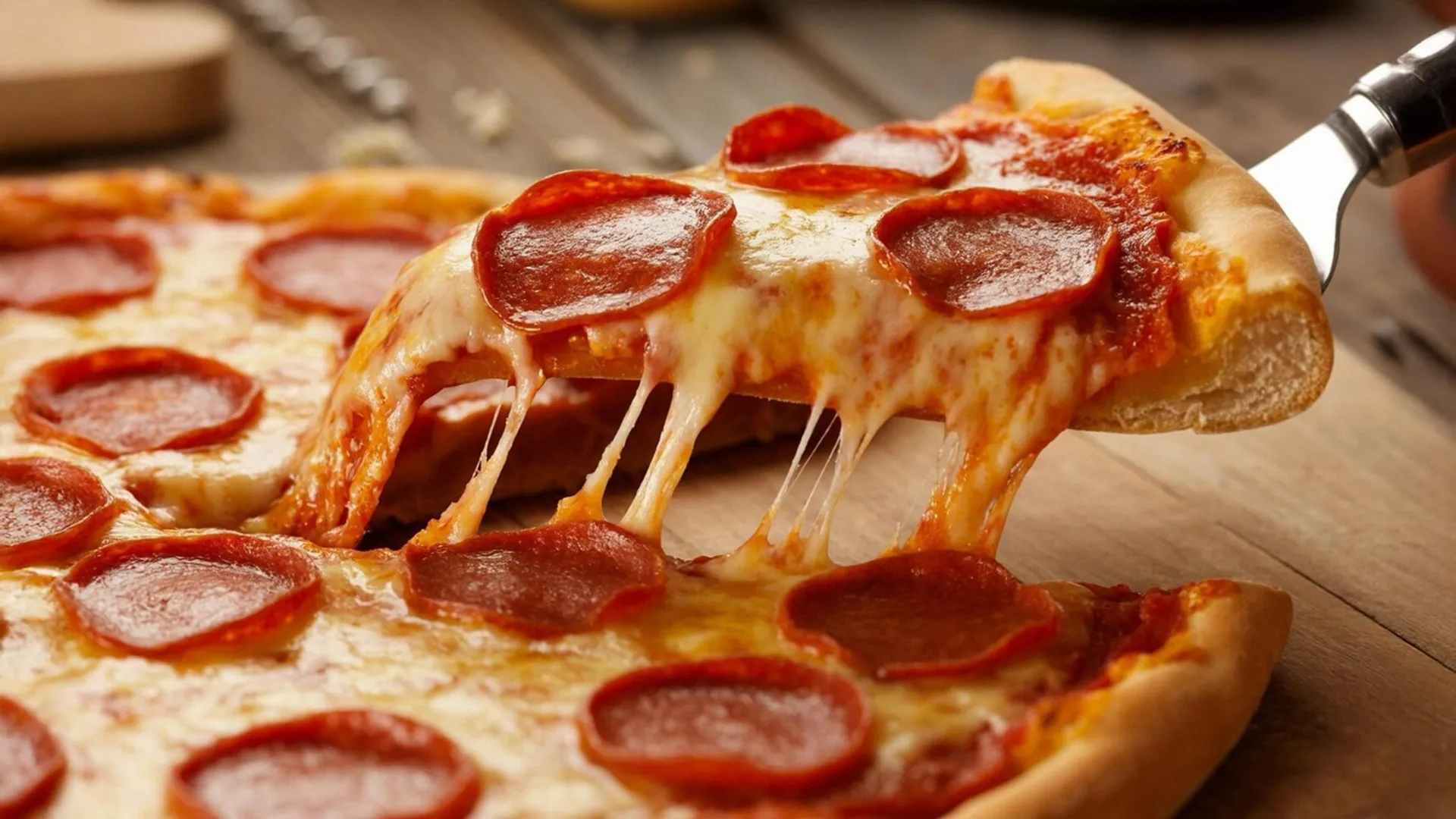
- Pizzas: The combination of processed cheese, cured meats, and dough conditioners creates a "triple threat" of sodium.
- Pasta Dishes: Often incorporate salt-heavy sauces, cheese, and processed meats that are not accounted for in the final nutritional estimate.
The data suggests that the "labels" consumers are instructed to read are, at best, rough estimates and, at worst, misleading. The study highlights a disconnect between the modern consumer’s desire to track their macronutrients and the industry’s ability to provide reliable, scientific data.
Official Responses and Industry Accountability
While the food industry has made strides in reducing salt levels in shop-bought, pre-packaged goods—partially due to pressure from the government and public health campaigns—takeout remains the "Wild West" of nutrition.
Industry bodies have yet to provide a unified response to the study, but the findings place significant pressure on regulators. The World Health Organization (WHO) has long been a vocal critic of high sodium intake, estimating that excessive salt consumption contributes to approximately 1.8 million deaths globally each year. These deaths are primarily linked to hypertension, cardiovascular disease, and stroke—conditions that are exacerbated by the "silent killer" that is sodium.
Public health advocates argue that the voluntary nature of labeling in restaurants is failing. If a consumer cannot trust the label on their pizza, the utility of that label is effectively zero. There are now calls for mandatory, standardized salt labeling for all food service providers, alongside stricter enforcement of nutritional accuracy.
Implications: The Public Health Crisis
The implications of this research are far-reaching. As the UK population spends an increasing amount of money on takeout—a trend only accelerated by the rise of delivery apps like UberEats and Deliveroo—the exposure to "hidden salt" is at an all-time high.
1. The Consumer Perception Gap
The most significant implication is the psychological impact on the consumer. Many diners make conscious decisions to choose "healthier" options based on calorie and salt labels. If these labels are inaccurate, consumers are being misled into believing they are making healthy choices, which may lead to complacency regarding their broader dietary habits.
2. The Burden on the NHS
With cardiovascular issues placing an immense strain on the National Health Service, the prevalence of high-sodium takeout is a significant public health concern. If 47% of takeout is saltier than claimed, the cumulative effect on the population’s blood pressure over several decades could be catastrophic for public health outcomes.
3. A Call for Transparency
The University of Reading study acts as a clarion call for transparency. It is not necessarily a suggestion that people stop eating takeout altogether, but rather a demand that the food industry treats nutritional reporting with the same level of seriousness as food safety and hygiene.
Conclusion: Navigating the Menu
For the average consumer, the takeaway from this research is simple: be skeptical. While menu labels offer a glimpse into the nutritional content of a meal, they are not to be treated as scientific fact. When ordering, consumers might consider opting for dishes where they control the salt (like the fish and chip shop model) or inquiring about the ingredients if the restaurant is willing to disclose them.
Ultimately, the responsibility should not lie solely with the diner. The discrepancy highlighted by the University of Reading suggests that the industry requires a standardized approach to nutritional reporting. Until then, the "salty affair" of eating out remains a hidden risk, one that demands both regulatory intervention and increased consumer awareness. As Professor Kuhnle noted, "The public needs to be aware that menu labels are rough guides at best, not accurate measures." In the pursuit of a healthier nation, the first step is knowing exactly what is on our plates—even if the labels tell us otherwise.