









In the ongoing quest to unravel the complexities of human aging, researchers have long hypothesized that the fuel we provide our bodies—our daily diet—serves as a primary architect for the structural integrity of our brains. Now, a significant new study published on June 10, 2026, in the open-access journal PLOS One provides compelling evidence that vitamin C may be a critical nutrient in preserving the neurological machinery responsible for memory, attention, and cognitive health in later life.
Led by Haruka Nagaya of Hirosaki University in Japan, the research team conducted a robust examination of more than 2,000 older adults, revealing that individuals with lower levels of vitamin C in their blood plasma tended to exhibit diminished gray matter volume and weaker functional connectivity within the brain’s "default mode network." While the study stops short of claiming that vitamin C acts as a definitive shield against cognitive decline, the findings represent a pivotal step forward in understanding how specific nutritional markers correlate with the physical architecture of the aging brain.
A Chronology of Discovery: Moving from Correlation to Biological Markers
For decades, the scientific community has debated the role of micronutrients in neuroprotection. Early epidemiological studies consistently pointed toward a correlation between high-antioxidant diets—rich in fruits and vegetables—and a lower incidence of cognitive impairment. However, these studies were often limited by self-reported dietary logs, which are notoriously prone to human error and bias.
The Hirosaki University team sought to bypass these limitations by moving beyond dietary surveys. Instead, they opted for a direct biochemical approach. By measuring plasma vitamin C levels—a reliable indicator of recent nutritional intake—and pairing these data with advanced neuroimaging, the researchers were able to establish a more objective baseline.
The project spanned several years, utilizing a community-based cohort of 2,044 Japanese adults, all aged 64 or older. By integrating magnetic resonance imaging (MRI) scans with plasma analysis, the study design allowed for a sophisticated mapping of how nutritional status intersects with physical brain volume and neural network efficiency. This methodological rigor marks a departure from earlier, smaller-scale inquiries, providing a clearer, more statistically significant lens through which to view the brain-diet connection.
Supporting Data: Dissecting the Brain’s Architectural Integrity
To understand the gravity of these findings, it is necessary to examine how the researchers evaluated the brain. The study focused on two primary metrics: gray matter volume and the connectivity of the default mode network (DMN).
Gray Matter and Structural Integrity
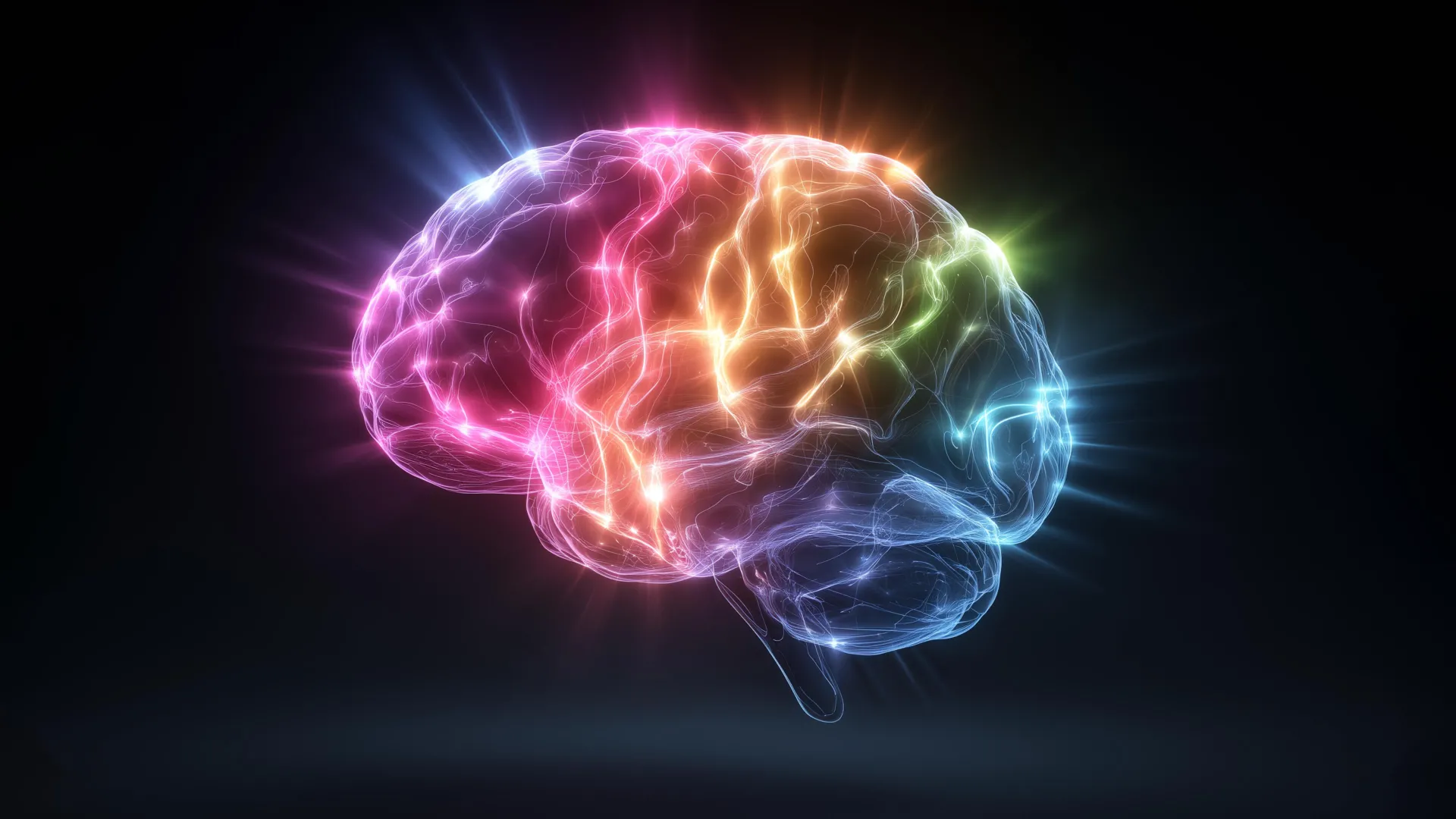
Gray matter is the brain’s "processing center," containing the neuronal cell bodies that facilitate everything from basic motor functions to high-level executive thought. As humans age, the gradual reduction of gray matter is a normal part of the aging process, but accelerated atrophy is a hallmark of cognitive decline and neurodegenerative diseases. The study found a consistent trend: participants with lower plasma vitamin C concentrations demonstrated reduced gray matter volume, even after researchers adjusted for critical variables such as age, educational background, and levels of physical activity.
The Default Mode Network (DMN)
Perhaps even more intriguing was the study’s focus on the default mode network. The DMN is a constellation of interconnected brain regions that remain active when the brain is at rest, playing a vital role in autobiographical memory, self-reflection, and the consolidation of information.
When the researchers analyzed the functional connectivity of the DMN, they discovered that those with lower vitamin C levels exhibited weaker synchronization between these regions. This suggests that the brain’s internal "communication network" may struggle to maintain its efficiency in the absence of adequate antioxidant support, potentially hindering the brain’s ability to switch effectively between rest and task-oriented modes.
Official Responses and Researcher Perspectives
The implications of this research were underscored by co-author Tomohiro Shintaku, who emphasized the significance of the study’s scope.
"Our study demonstrates that higher plasma vitamin C levels are associated with better preserved structural connectivity of the default mode network," Shintaku noted in a post-publication statement. "This finding generates the exciting hypothesis that a diet rich in vitamin C might play a supportive role in maintaining brain health and mitigating age-related cognitive decline in older adults."
Shintaku expressed particular fascination with the granularity of the results. "What I found most fascinating about this research is that we were able to detect these subtle but significant associations between a single nutritional factor and large-scale brain networks by utilizing a robust, community-based cohort. It truly highlights the potential impact of our everyday dietary habits on our brain structures."
The researchers remain cautious, however, regarding the interpretation of their work. Because the study was observational, it cannot determine causality. It is possible that the low vitamin C levels are a symptom, rather than a cause, of broader lifestyle choices or health conditions that lead to brain atrophy. Future longitudinal studies, which measure vitamin C levels repeatedly over many years, will be essential to determine whether increasing vitamin C intake can actually reverse or prevent the structural changes observed.
The Broader Implications for Public Health
The potential implications of these findings for public health are vast. As global populations continue to age, the incidence of cognitive impairment and dementia presents an escalating challenge for healthcare systems. If a simple, diet-based intervention—such as ensuring adequate intake of vitamin C—could preserve even a small percentage of cognitive function in the aging population, the societal benefits would be immense.
Dietary Habits as Preventative Medicine
The study serves as a potent reminder that nutrition is not merely about body weight or cardiovascular health; it is a foundational component of neurological longevity. Vitamin C is a powerful antioxidant, known to protect cells from oxidative stress—a process that is believed to contribute to the wear and tear of neurons over time. By reducing oxidative damage, vitamin C may help maintain the integrity of neural membranes and support the health of the blood-brain barrier.
Future Research Directions
The research team at Hirosaki University has outlined several pathways for future investigation. These include:
- Diverse Cohorts: While the current study provides excellent data for a Japanese population, future research must incorporate participants from a wider range of ethnic, cultural, and socioeconomic backgrounds to determine if these findings are universal.
- Longitudinal Analysis: Measuring vitamin C levels at multiple intervals over a decade or more will allow researchers to observe the rate of change in brain structure relative to nutritional status.
- Synergistic Effects: Researchers plan to investigate how vitamin C interacts with other micronutrients, such as vitamin E, omega-3 fatty acids, and B vitamins, to provide a more holistic view of the "cognitive diet."
Transparency and Funding
The study’s credibility is supported by a clear disclosure of its funding sources. The research was supported by the Japan Agency for Medical Research and Development (AMED). While KAGOME CO., LTD. provided salary support for two of the authors, the researchers explicitly stated that the company had no role in the study design, data collection, analysis, or the decision to publish. This transparency ensures that the integrity of the data remains at the forefront of the public discourse.
Conclusion: A Call to Nutrition
As the medical community continues to peel back the layers of the aging brain, the link between the plate and the mind becomes increasingly clear. While this study does not suggest that vitamin C is a "magic bullet" for brain health, it provides a crucial piece of the puzzle.
In an era of complex medical interventions and expensive pharmaceuticals, the Hirosaki University study offers a refreshingly accessible takeaway: our daily dietary choices—the citrus fruits, bell peppers, and leafy greens we consume—may be quietly building the structural scaffolding of our future selves. As research continues to evolve, the focus on preventative nutrition may well become one of the most effective tools we have in the fight against the cognitive declines associated with the passage of time.