









The global pharmaceutical landscape is currently defined by a high-stakes, multi-billion-dollar race between two giants: Denmark’s Novo Nordisk and the American powerhouse Eli Lilly. As the demand for glucagon-like peptide-1 (GLP-1) receptor agonists—a class of drugs that has revolutionized the treatment of obesity and type 2 diabetes—continues to skyrocket, the two companies are locked in a relentless battle for market supremacy.
In the latest chapter of this "weight-loss war," Novo Nordisk has faced a series of setbacks that have unsettled investors. A recent clinical trial disappointment regarding its next-generation injectable, coupled with an earnings miss on its oral Wegovy formulation, has cast a shadow over the company’s near-term outlook. Conversely, Eli Lilly continues to capitalize on the robust performance of its injectable franchise, reinforcing its position as a dominant force in the global biopharma sector.
Main Facts: A Divergence in Fortunes
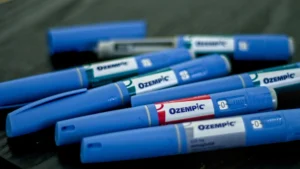
The current market dynamic is characterized by a stark divergence in investor sentiment and operational success. Novo Nordisk, the pioneer of the GLP-1 movement with its blockbuster drug Ozempic (sold as Wegovy for obesity), has seen its once-unassailable lead challenged by Lilly’s rapid expansion.
The primary point of contention in recent financial reporting is the performance of oral weight-loss medications. While Novo Nordisk enjoyed a strategic head start in the pill market, its second-quarter results revealed that sales of the Wegovy pill reached 3.2 billion Danish kroner (approximately $494 million), falling short of the 3.6 billion kroner anticipated by Wall Street analysts. This underperformance, compounded by the mixed clinical results from the “Reimagine 4” trial of its promising candidate, CagriSema, led to a 6% dip in Novo’s share price earlier this week.
In contrast, Eli Lilly’s performance—while also experiencing a slight miss on its own oral offering, orforglipron (marketed as Foundayo)—was viewed by the market with significantly more leniency. Investors, buoyed by the sustained, overwhelming success of Lilly’s injectable franchise, pushed the Indianapolis-based company’s stock up by 2% in early trading following its earnings report.

Chronology: The Evolution of the Obesity Drug Market
To understand the gravity of the current situation, one must look at the timeline of the GLP-1 explosion:
- 2021-2022: The Ozempic Boom: Novo Nordisk dominates the narrative as Ozempic becomes a household name, effectively creating the modern market for weight-loss therapeutics.
- 2023: The Rise of Zepbound/Mounjaro: Eli Lilly enters the fray with aggressive clinical data, proving its injectable medicine can be highly effective, leading to a surge in its market capitalization that eventually surpassed the $1 trillion mark.
- Early 2024: The Oral Race: Both firms pivot their R&D focus toward oral delivery systems to increase patient accessibility and convenience. Novo secures a faster initial launch for its oral Wegovy formulation.
- Mid-2024: Mixed Clinical Results: Novo Nordisk’s next-generation candidate, CagriSema, undergoes intense scrutiny as clinical data begins to show inconsistent outcomes compared to the high-performance bar set by the current generation of injectables.
- Late 2024 (Present): Financial Reassessment: Novo reports an earnings miss on oral Wegovy and a clinical setback in the Reimagine 4 trial, forcing the company to adjust its full-year guidance, while Lilly raises its revenue outlook for the year.
Supporting Data: The Numbers Behind the Narrative
The financial health of both firms is intrinsically linked to their ability to scale manufacturing and deliver consistent clinical outcomes.
Novo Nordisk, in an effort to provide a more transparent outlook, has adjusted its full-year revenue estimates. The company now projects that adjusted sales at constant exchange rates will either remain flat or decline by up to 6%. While this is an improvement over its previous estimate of a 4% to 12% decline, it highlights the volatility the company faces as it navigates supply chain constraints and increased competitive pressure.
Eli Lilly, meanwhile, is projecting significantly higher confidence. The company has revised its revenue guidance for the year to a range of $85 billion to $87 billion, a notable increase from its previous forecast of $82 billion to $85 billion.
Regarding the oral pills, the disparity in market reaction is telling. While the Wegovy pill missed its target by roughly 400 million kroner, Lilly’s Foundayo reported $98 million in sales against a $104 million estimate. The fact that Lilly’s stock rose despite a miss suggests that the market has “priced in” lower expectations for its oral program, viewing it as a long-term utility rather than an immediate, massive revenue driver.

Official Responses and Strategic Pivot
Novo Nordisk is not standing idle. Management remains focused on the "long game," emphasizing that the Reimagine 4 trial data, while disappointing in specific metrics, does not invalidate the overall potential of CagriSema. The company continues to leverage its high-dose Wegovy offerings as a bridge to maintain its market share while it works to refine the delivery and efficacy profiles of its oral pipeline.
Lilly’s strategy appears more focused on volume and aggressive expansion of its injectable franchise. By building lower expectations for its oral pipeline, the company has insulated itself from the kind of stock-price volatility that Novo experienced. The Indianapolis firm is doubling down on its manufacturing capabilities, ensuring that as demand for Zepbound and Mounjaro grows, the supply chain remains resilient enough to meet it.
Implications: The Future of Obesity Therapeutics
The implications of these developments are twofold:
- The Clinical "Ceiling": The mixed results for CagriSema suggest that the pharmaceutical industry is reaching a point of diminishing returns in the current class of GLP-1s. Future breakthroughs may require novel mechanisms of action beyond the GLP-1 receptor to achieve significantly better weight-loss outcomes without worsening side-effect profiles.
- The Shift in Investor Philosophy: Investors are moving away from the "growth at any cost" mindset and are now prioritizing consistency and the ability to manage expectations. Novo Nordisk’s miss on the Wegovy pill underscores the danger of high market expectations; when a company is the leader, the margin for error is razor-thin.
- Market Consolidation: As both companies push for global dominance, the barrier to entry for smaller biotech firms becomes increasingly prohibitive. The market is rapidly coalescing into a duopoly, where competitive advantage is dictated by the ability to manufacture at scale—a hurdle that currently favors the massive infrastructure of both Novo and Lilly.
In conclusion, while Novo Nordisk remains a formidable titan of the pharmaceutical industry, the recent earnings and trial results serve as a sobering reminder that the GLP-1 market is becoming more competitive and harder to dominate. Eli Lilly’s current momentum suggests it has successfully navigated the transition from a "challenger" to a "co-leader," setting the stage for a period where clinical precision and supply chain reliability will matter more than the initial hype that defined the early days of the weight-loss drug revolution. The race is far from over, but the terms of engagement have definitively shifted.