In a monumental development for global women’s health and endocrinology, a decade-long international consensus process has culminated in a rebranding of one of the world’s most common, yet misunderstood, conditions. On May 12, 2026, The Lancet published formal guidance announcing that Polycystic Ovary Syndrome (PCOS) will henceforth be known as Polyendocrine Metabolic Ovarian Syndrome (PMOS).
This transition, driven by a fourteen-year global research initiative, is far more than a semantic adjustment. For the millions of individuals worldwide living with the condition—including a significant subset of the Ehlers-Danlos Syndrome (hEDS) and Hypermobility Spectrum Disorder (HSD) communities—this rebranding represents a long-overdue acknowledgment of the condition’s true multisystem nature. By moving away from a title that centers exclusively on the ovaries, the medical community is signaling a shift toward more holistic, interdisciplinary, and equitable care.
The Evolution of a Misunderstood Diagnosis
The historical naming of this condition has been a patchwork of attempts to capture its symptoms, often leading to fragmented clinical approaches. Over the decades, medical literature has referred to the disorder as everything from "sclerotic polycystic ovary syndrome" to "functional ovary androgenism" and "ovarian dysmetabolic syndrome."
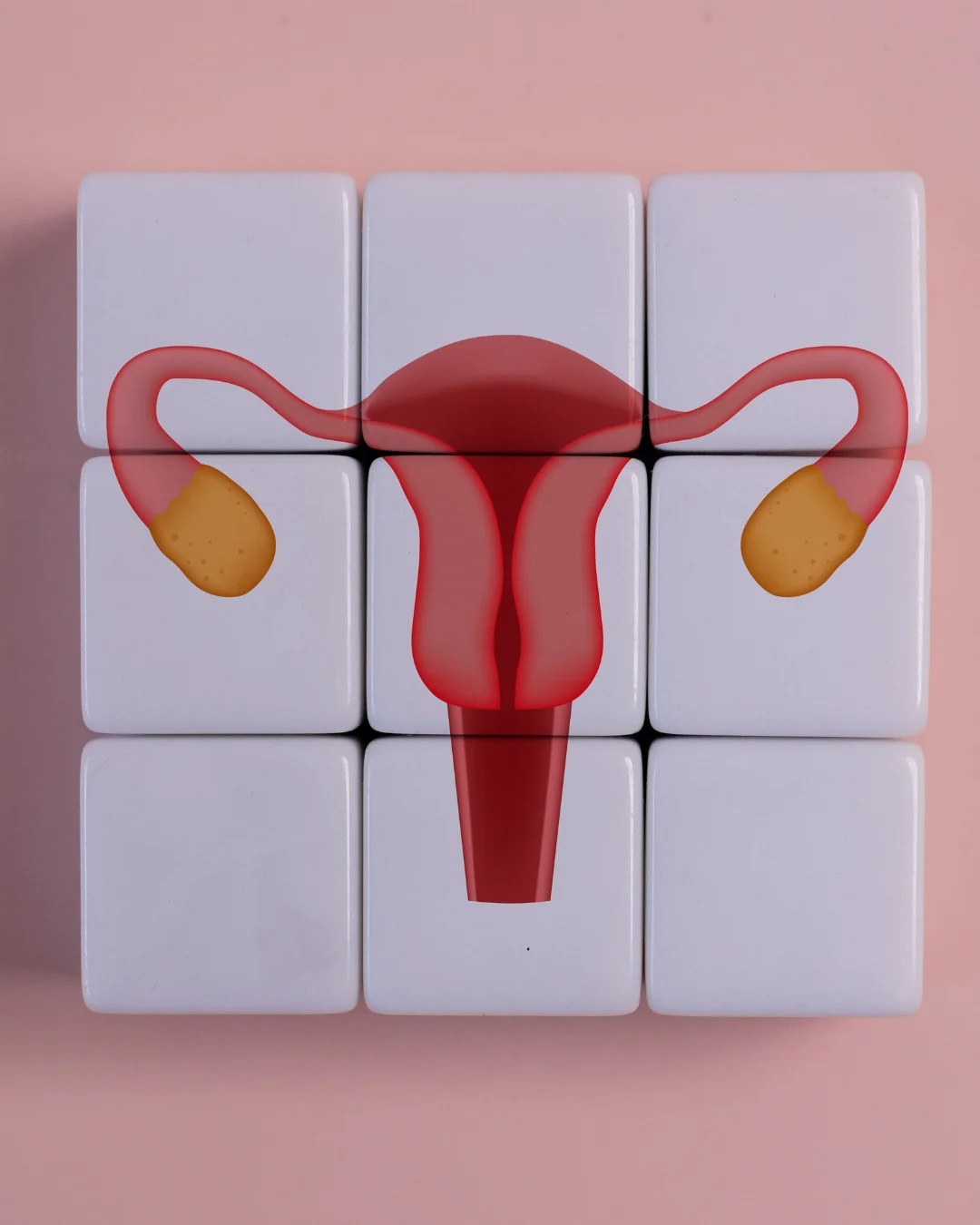
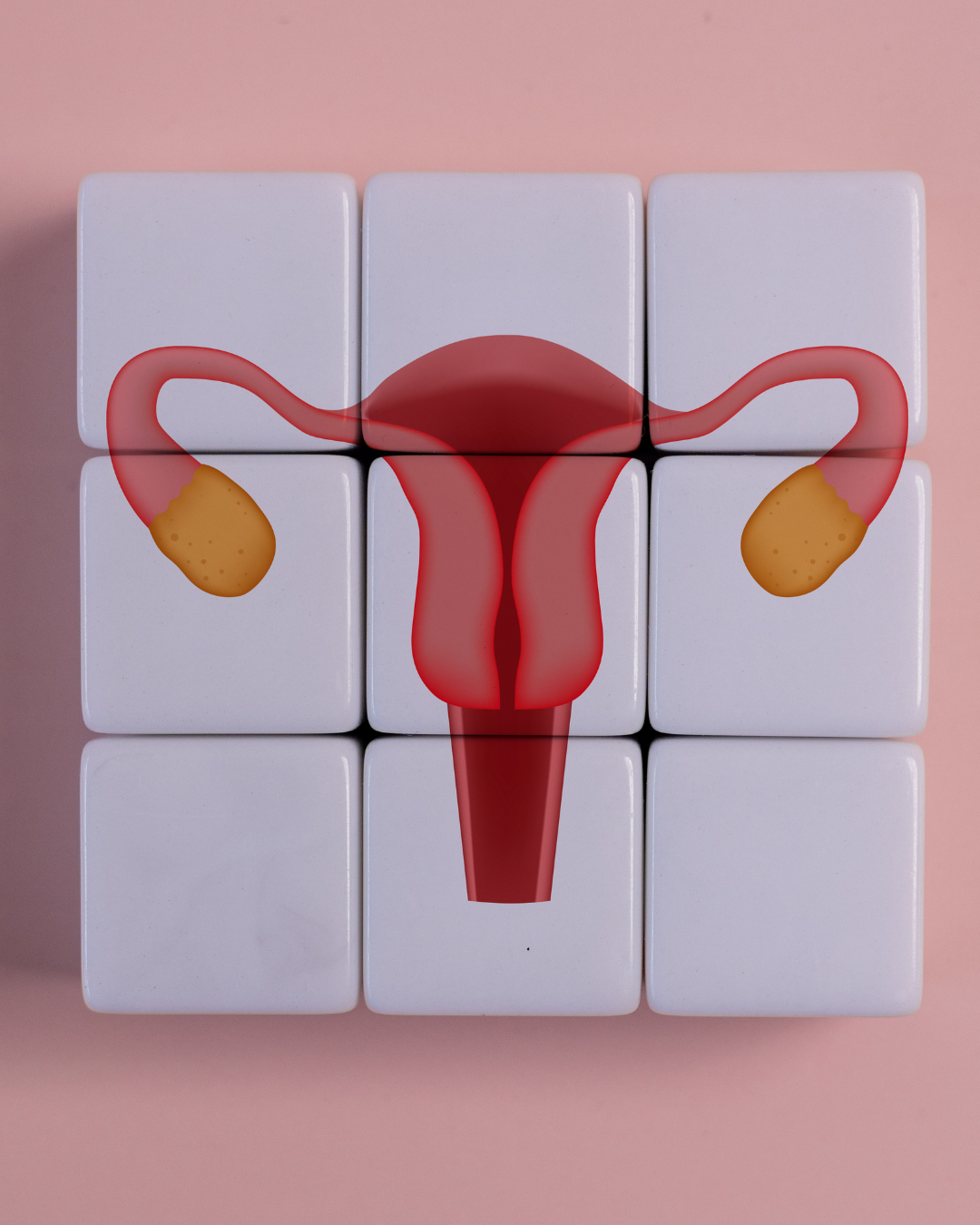
The term "Polycystic Ovary Syndrome," which rose to prominence in the mid-20th century, inadvertently pathologized the ovaries as the primary source of the problem. This focus on "cysts" (which are, in fact, immature follicles) created a cognitive bias among clinicians, leading them to view the syndrome primarily through the lens of reproductive health and infertility.
However, as research progressed, it became clear that the reproductive aspect was merely one symptom of a much larger, systemic failure. The new designation, Polyendocrine Metabolic Ovarian Syndrome (PMOS), was selected following rigorous international deliberation to ensure the name encompasses the three pillars of the condition:
- Polyendocrine: Acknowledging the complex interplay of insulin, androgens, and neuroendocrine hormones.
- Metabolic: Recognizing the systemic risks, including insulin resistance, obesity, and cardiovascular vulnerability.
- Ovarian: Retaining the reference to ovarian dysfunction, which remains a key clinical diagnostic marker.
Chronology of the Rebranding Effort
The road to PMOS was not a sudden decision, but the result of a deliberate, data-driven evolution in medical consensus.
- 1990s–2003: The foundational diagnostic criteria, known as the Rotterdam Criteria, were established and subsequently expanded, formalizing the role of ovarian morphology in diagnosis.
- 2012: A global initiative began, spearheaded by leading endocrinologists and patient advocates, to address the systemic stigmatization and diagnostic delays associated with the "PCOS" label.
- 2022: A critical threshold was reached in the literature, where meta-analyses confirmed that patients were experiencing significant diagnostic delays (often averaging 5–10 years) due to primary care physicians failing to look beyond reproductive symptoms.
- May 2026: The Lancet publishes the landmark article formalizing the change to PMOS, triggering an implementation phase.
- 2026–2028: A three-year transition period is enacted, involving collaboration with the World Health Organization (WHO) to update the International Classification of Diseases (ICD) codes.
- 2028: The new terminology will be fully integrated into the International Guideline, which currently dictates clinical practice in 195 countries.
Supporting Data: The Cost of a Name
The urgency of this name change is underscored by staggering disparities in medical funding and research focus. Between 2016 and 2022, research funding for what was then "PCOS" hovered at approximately $32 million. In stark contrast, diseases with comparable or even lower prevalence—such as rheumatoid arthritis ($262 million) and systemic lupus erythematosus ($420 million)—received significantly higher levels of investment.
The reason for this disparity is rooted in the "silo effect." By framing the condition as a reproductive, gynecological issue, the disease was effectively locked out of broader metabolic and cardiovascular research funding. Because the term "ovary" was in the name, researchers seeking to study metabolic pathways, insulin resistance, or cardiovascular outcomes often found their grant proposals redirected to departments that lacked the specific reproductive expertise, or vice-versa.
The shift to "Polyendocrine Metabolic" is a strategic move to unlock funding from NIH institutes that focus on diabetes, heart disease, and metabolic disorders, ensuring that research dollars follow the actual pathology of the disease rather than the anatomical site of a single symptom.
Implications for the hEDS and HSD Communities
For the Ehlers-Danlos Syndrome (hEDS) and Hypermobility Spectrum Disorder (HSD) communities, this development carries profound resonance. Recent studies indicate that roughly 17% of hEDS patients and 14.7% of HSD patients live with PMOS.
The intersection of these conditions is not considered coincidental. Both communities have historically faced "diagnostic gaslighting," where complex, multisystem conditions are dismissed as psychosomatic or localized issues. Just as the hEDS community has struggled with a 22-year average diagnostic delay, PMOS patients have spent decades battling the perception that their symptoms were "just about irregular periods."
By rebranding, medical organizations are providing a blueprint for how to advocate for systemic, multisystemic conditions. The hope is that the scientific community will now begin to better investigate the hormonal links between connective tissue disorders and endocrine dysregulation. Research into why PMOS and endometriosis are more prevalent in the hEDS population is expected to expand now that the disorder is categorized as a metabolic syndrome, allowing for a more comprehensive investigation into the role of hormones in collagen integrity and systemic inflammation.
Diagnostic Criteria in the PMOS Era
While the name has changed, the clinical diagnostic criteria remain consistent with the established international guidelines. To receive a diagnosis, a patient must present with two of the following three criteria:
-
Clinical or Biochemical Hyperandrogenism:
- Biochemical: Blood tests revealing elevated total or free testosterone, or indices such as the Free Androgen Index (FAI).
- Clinical: Hirsutism, assessed via the Ferriman-Gallwey score. A score of 4 to 8 across nine specific body regions (chin, chest, abdomen, etc.) serves as a diagnostic indicator.
-
Oligo-Anovulation:
- Defined as a spectrum of ovulatory dysfunction, specifically cycles longer than 35 days or fewer than 8 menstrual cycles per year.
-
Polycystic Ovarian Morphology:
- Confirmed via ultrasound, characterized by ovaries containing 20 or more follicles or an ovarian volume exceeding 10 cm³.
Note: For adolescents aged 10–19, the diagnostic criteria strictly require the presence of both hyperandrogenism and ovulatory dysfunction to avoid over-diagnosis during the natural maturation of the hormonal system.
Conclusion: A Future of Holistic Care
The transition from PCOS to PMOS is a triumph of patient advocacy and scientific maturity. By stripping away the narrow focus on the "cystic ovary," the medical community is moving toward a more accurate, inclusive, and effective framework for treatment.
For the patient, this means that their insulin resistance will no longer be treated as a side effect of their reproductive health, but as a core component of their disease management. For the researcher, it opens the doors to cross-disciplinary collaboration. And for the broader community, including those living with hEDS and HSD, it is a reminder that the language of medicine is not static—it must evolve to reflect the lived reality of those it serves.
As we look toward the 2028 full implementation, the focus now shifts to education: ensuring that clinicians, policymakers, and insurance providers adopt this new terminology to bridge the gaps in care that have left too many patients behind for too long.
Key Takeaways:
- Global Shift: PCOS is officially renamed Polyendocrine Metabolic Ovarian Syndrome (PMOS) as of May 2026.
- Funding Potential: The change aims to move the condition out of reproductive silos and into the broader metabolic and endocrine research sectors.
- Systemic Recognition: The name now reflects the reality that the condition is a multisystem disorder, not merely a gynecological one.
- Comorbidity Awareness: The link between PMOS, hEDS, and HSD is a critical area for future interdisciplinary research.
- Consistency: While the name has changed, the established diagnostic criteria (Hyperandrogenism, Oligo-Anovulation, and Ovarian Morphology) remain the standard.