





Main Facts: The Shift from Luxury to Necessity
In an era defined by "hustle culture" and the relentless pursuit of academic and professional excellence, the concept of self-care has undergone a radical transformation. Once viewed as an occasional luxury—a spa day, a weekend retreat, or an expensive vacation—self-care is increasingly being recognized by mental health experts and advocates as a fundamental, daily requirement for psychological stability.
Markus Dominick Inumerable, a graduate student at Rutgers University and a Public Relations Intern at Active Minds, is at the forefront of this shift in perspective. His recent reflections on the intersection of mental health and daily habits highlight a growing movement: the move away from "performative" self-care toward "functional" self-care. For Inumerable, and many of his peers, the cornerstone of mental regulation isn’t found in a grand gesture, but in the five-minute ritual of a nighttime skincare routine.
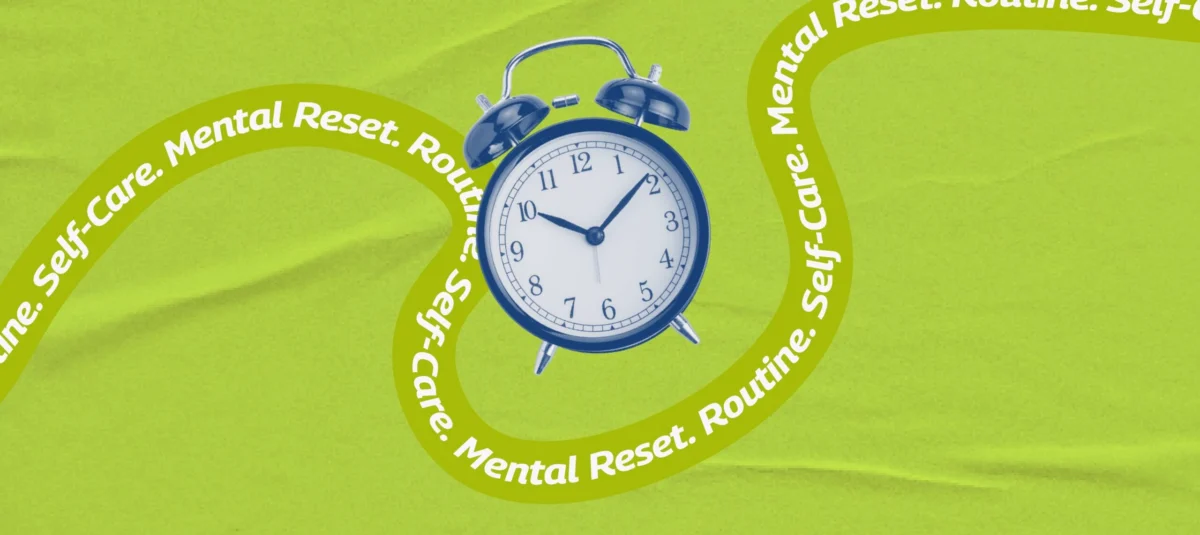
The core of this emerging philosophy is simple: when life becomes overwhelming, self-care is often the first casualty. However, research and personal testimony suggest that the most effective way to combat burnout is not to wait for a break that may never come, but to integrate "micro-routines" into the existing chaos of daily life. These small, intentional moments serve as a "reset button," allowing the nervous system to transition from a state of high-alert productivity to one of grounded reflection.
Chronology: From Overwhelming Stress to Regulated Routine
The journey toward sustainable self-care often begins with a period of crisis or near-burnout. For students and young professionals like Inumerable, the timeline is familiar: a mounting pile of responsibilities—classes, internships, work, and social obligations—leads to a state where the individual feels they "don’t have time" for themselves.
The Cycle of Neglect
In the initial stages of high-stress periods, individuals often view self-care as a reward to be earned after all tasks are completed. This creates a "waiting for a self-care day" mentality. However, as deadlines proliferate, that "day" is perpetually pushed back. Inumerable notes that he previously viewed self-care as a "big" event, a misconception that often leads to a total abandonment of personal well-being during the weeks it is needed most.
The Realization of Routine
The transition occurs when the individual realizes that mental health is not a destination but a maintenance project. For Inumerable, getting older brought the realization that a daily routine was essential for mental regulation. He pivoted from seeking escape to seeking stability. This shift marked the beginning of his focus on the nighttime skincare routine—not for its cosmetic benefits, but for its role as a psychological anchor.
The Modern Challenge: The Social Media Distortion
As this routine was established, it faced a new obstacle: the social media portrayal of wellness. The chronology of modern self-care is currently interrupted by the "aesthetic" of wellness—the ten-step regimens and expensive products that make self-care feel like another chore or a financial burden. The current stage of Inumerable’s journey, and that of the broader mental health community, is the "reclamation of the mundane." This involves accepting that on some nights, self-care is simply washing one’s face and brushing one’s teeth before sleep, prioritizing consistency over perfection.
Supporting Data: The Science of the "Reset"
The efficacy of micro-routines is backed by significant clinical research. It is not merely a placebo effect; there are neurological and psychological reasons why a repetitive, low-stakes task can alleviate stress.
Reducing the Cognitive Load
According to research from UCLA Health, daily routines are instrumental in reducing stress and anxiety. When an individual establishes a routine, the brain requires less energy to make decisions. In a state of burnout, "decision fatigue" is a major contributor to mental exhaustion. By automating a self-care habit—like a skincare routine or a morning walk—the individual creates a "cognitive sanctuary" where the brain can rest.
The Role of Grounding
Skincare, specifically, acts as a grounding technique. Grounding involves focusing on physical sensations to pull the mind away from anxious thoughts about the future or past. The temperature of the water, the texture of the cleanser, and the scent of a moisturizer serve as sensory anchors. This "forces a pause," as Inumerable describes it, moving the individual from a "doing" mode to a "being" mode.
Health Lifestyle Behaviors and Prevention
Data provided by the American Psychiatric Association suggests that adopting healthy lifestyle behaviors is a primary strategy for both the prevention and treatment of mental health conditions. While these habits are not a replacement for clinical intervention, they are "lifestyle medicine" that promotes long-term wellness. A study on the "Nine Dimensions of Wellness" highlights that emotional and physical wellness are deeply interconnected; taking care of the body’s largest organ (the skin) can have a cascading positive effect on emotional self-perception and self-love.

Official Responses: Expert Perspectives and Advocacy
Mental health organizations like Active Minds are working to change the narrative surrounding student well-being. As a Public Relations Intern for the organization, Inumerable’s perspective is aligned with the official stance of many mental health advocates who emphasize that "support" is a multi-tiered system.
Active Minds’ Stance on Self-Care
Active Minds emphasizes that self-care is a form of self-love and a vital component of mental health awareness. The organization advocates for "showing up for yourself" in small ways to create stability during uncertain periods. Their resources suggest that while self-care looks different for everyone—ranging from sketching to five-minute walks—the common thread must be the intention to reconnect with oneself.
The Distinction Between Self-Care and Clinical Support
A critical point raised by both Inumerable and mental health professionals is that self-care is not a panacea. "I’ve learned that self-care and mental health aren’t the same thing," Inumerable states. This distinction is vital in professional journalism and clinical practice.
- Self-Care: Proactive habits used to maintain wellness and manage daily stress.
- Mental Health Support: Professional intervention (therapy, counseling, medication) required to treat conditions like clinical depression, generalized anxiety disorder, or bipolar disorder.
Experts from Psychiatry.org reinforce that asking for support is a sign of strength. The official response to the mental health crisis is a "both/and" approach: individuals should build healthy daily routines and feel empowered to seek professional help when the weight of life exceeds their internal coping mechanisms.
Implications: The Future of Wellness in Public Discourse
The enrichment of this narrative carries several long-term implications for how society, particularly the younger generation, views productivity and health.
The De-Commercialization of Wellness
By emphasizing that self-care can be as simple as washing one’s face, advocates like Inumerable are helping to de-commercialize wellness. This makes mental health maintenance accessible to individuals regardless of their socioeconomic status. The implication is a more inclusive "wellness" landscape where the barrier to entry is time and intention, not a credit card.
Impact on Academic and Corporate Culture
As graduate students and young professionals enter the workforce with these values, we may see a shift in corporate culture. The recognition that "small moments of care add up" could lead to more flexible work environments and a greater emphasis on "mental health minutes" within the workday. Inumerable’s background in Communication and Media suggests that the way we tell these stories will dictate how quickly these changes are adopted. Strategic communication that prioritizes vulnerability and realistic standards can dismantle the "perfection" myth that leads to burnout.
Building Resilience in Youth
For the youth population served by organizations like Active Minds, the implication of the "micro-routine" philosophy is the building of long-term resilience. By learning to ground themselves through small daily acts, young people are better equipped to navigate the larger challenges of life. They learn that they deserve kindness from themselves, a realization that serves as a powerful buffer against the external pressures of a competitive world.
Conclusion: Starting Small for Large Impact
The narrative of Markus Dominick Inumerable serves as a microcosm of a larger societal shift. In a world that demands constant output, the act of slowing down for five minutes to care for oneself is a quiet but radical act of defiance.
Whether it is a skincare routine, a short walk, or a few moments of sketching, the activity itself is secondary to the message it sends to the brain: I am worth this time. As Inumerable concludes, these small moments of care add up. They do not replace the need for community support or professional help, but they provide the grounding necessary to navigate life’s challenges without losing oneself in the process. For those struggling to find their own "reset button," the advice is clear: start small, stay consistent, and remember that you do not have to navigate the complexities of life alone.