









28 July, 2026
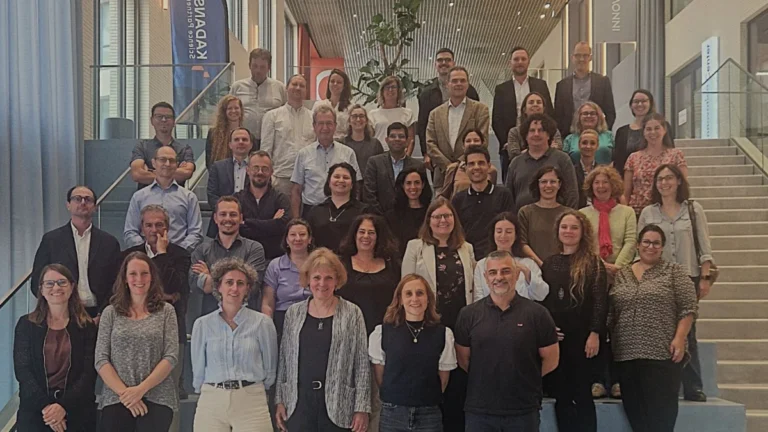
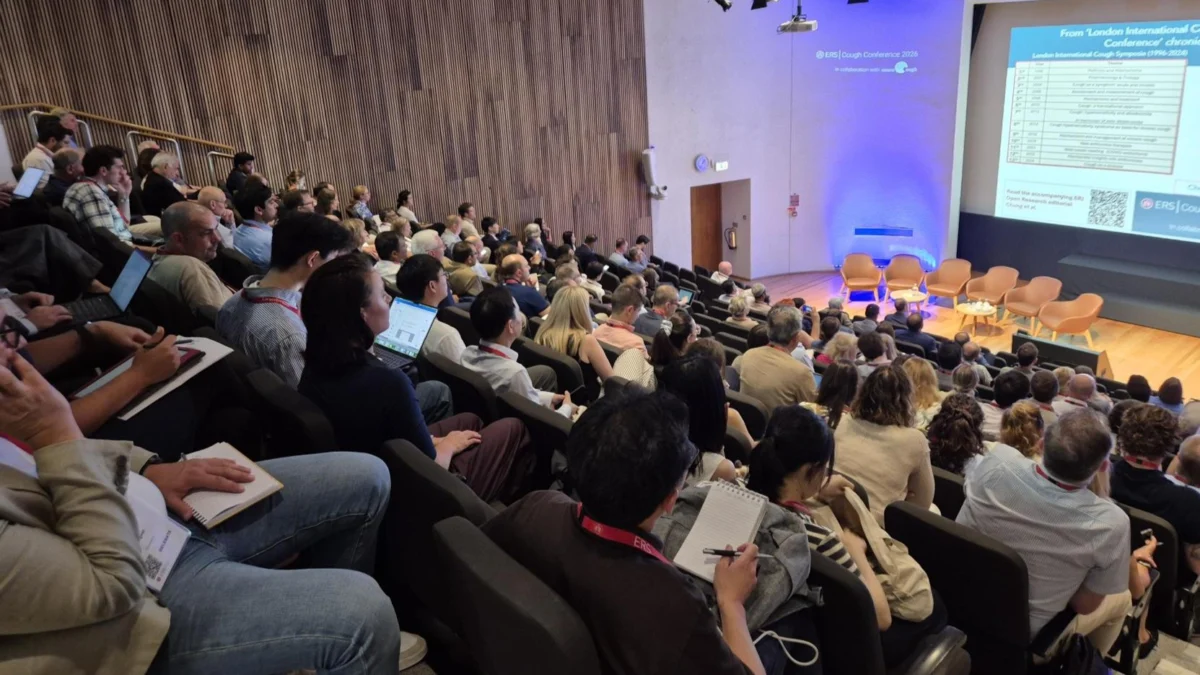
In a landmark moment for respiratory medicine, the European Respiratory Society (ERS) successfully concluded its inaugural ERS Cough Conference in London, United Kingdom. The event, which functioned as both a physical gathering and a global digital broadcast, marked a definitive turning point in the clinical perception of chronic cough. With the guiding theme, "Chronic Cough as a Disease," the conference sought to dismantle the long-standing view of cough as merely a symptom, repositioning it as a complex, multifaceted condition requiring specialized clinical attention.
The success of the event—which drew over 350 delegates from 59 nations—underscores a growing international consensus that chronic cough is a significant, under-treated public health challenge.
The Core Mandate: Challenging the "Symptom" Paradigm
For decades, the medical community has largely categorized chronic cough as a secondary byproduct of other conditions, such as asthma, gastroesophageal reflux disease, or post-nasal drip. However, the ERS Cough Conference was designed to challenge this hierarchy.
Conference Chair Prof. Fan Chung articulated the primary objective of the gathering with unwavering clarity: "Telling the world that chronic cough is a disease." By establishing this nomenclature, the ERS aims to catalyze changes in diagnostic criteria, insurance coverage, and therapeutic development. When a condition is recognized as a disease entity rather than a vague symptom, it opens the door to dedicated research funding, standardized clinical pathways, and a more robust pipeline of pharmacological interventions.
The conference did not merely discuss the theory; it mapped the transition of chronic cough from a dismissed annoyance to a "coming of age" clinical discipline.
Chronology of a Global Gathering
The event, held in the heart of London, was meticulously structured to balance rigorous scientific inquiry with collaborative engagement.
Pre-Conference and Opening
Months of preparation culminated in a high-energy opening ceremony that paid homage to the history of the field. Organizers noted that the conference was intended to evolve the legacy of the London International Cough Symposium (LICS), a venerable meeting initiated in 1992 by the late Prof. John Widdicombe. By bridging the history of LICS with the modern, expansive reach of the ERS, the organizers created a bridge between legacy knowledge and future-facing innovation.
The Scientific Program
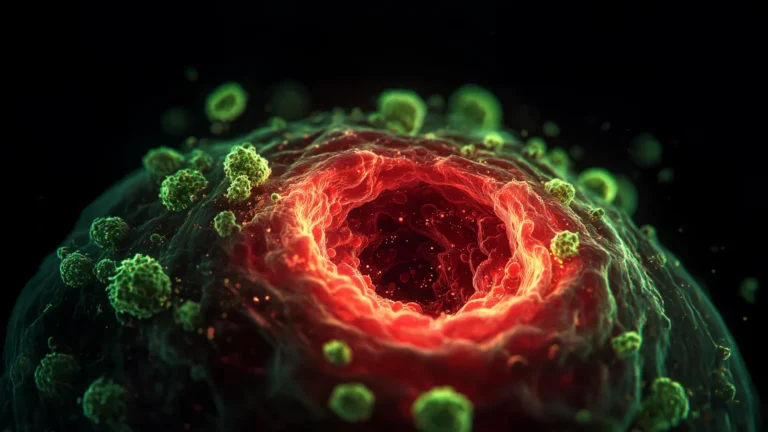
The mid-conference phase was defined by a series of high-impact keynote lectures. These sessions delved into the underlying pathophysiological mechanisms of chronic hypersensitive cough—the phenomenon where the cough reflex becomes hyper-reactive, causing patients to experience uncontrollable coughing fits in response to minor triggers like talking, laughing, or cold air.
Breakout sessions were characterized by:
- Poster Sessions: These were described as being "alive with scientific discussion," with record-breaking submission numbers that forced organizers to expand floor space.
- Industry Partnership Tracks: Two dedicated "In partnership with industry" sessions provided a rare environment for pharmacologists and clinical triallists to discuss the regulatory hurdles of bringing cough-suppressant drugs to market.
- The Patient Integration: For the first time in the history of such specialized respiratory conferences, patient representatives—Ruth Last and Andrew Lothian—were woven into the fabric of the scientific agenda, ensuring that clinical data was always viewed through the lens of lived experience.
Closing and Future Outlook
The event concluded with a look toward 2028. Following the immediate success, ERS leadership confirmed that this would become a recurring fixture in the international respiratory calendar, effectively cementing London as the global hub for cough research.
Supporting Data: A Truly Global Reach
The demographic breakdown of the 350+ attendees serves as a testament to the universal nature of the burden posed by chronic cough. The participation was split between 200 onsite attendees and nearly 150 digital participants, highlighting the ERS’s commitment to hybrid accessibility.
- Geographic Diversity: Delegates represented 59 countries. Notably, the event attracted significant cohorts from Australia, New Zealand, Bangladesh, India, and China, indicating that the move to classify chronic cough as a distinct disease has global resonance.
- Multidisciplinary Representation: The attendee list was not limited to pulmonologists. It included speech and language therapists, who are increasingly vital in the behavioral management of cough, as well as scientists, primary care clinicians, and industry leaders.
- Educational Longevity: Recognizing that the wealth of information provided at the conference is too vast to digest in a few days, the ERS has made the content available on the ERS Respiratory Channel for the next three months, ensuring that the educational impact extends well beyond the physical duration of the event.
Official Perspectives: Reflections from the Chair
The success of the event was best captured by the reflections of the leadership team, who emphasized that the human element was the most significant differentiator of this year’s symposium.
Prof. Fan Chung’s Assessment
"The ERS Cough Conference was excellent and achieved its objectives," Prof. Chung remarked during the closing address. "Chronic cough is ‘coming of age.’ The contribution of our patient representatives, Ruth and Andrew, was a first for such an event and was exceptional; it meant that patient perspectives and outcomes were often the focus of discussions rather than just abstract data points."
Prof. Omar Usmani’s Vision
As the ERS Science Council Chair and Conference Co-Chair, Prof. Omar Usmani focused on the balance between professional intimacy and scientific scale. "We wanted to expand on the event’s reach and incorporate more scientific insights from around the world, while retaining its intimate, close-knit, and engaging feel—something that is essential for collaboration," he noted.
Usmani’s emphasis on the "intimate" nature of the conference is crucial; it is within these small-group discussions that the most promising collaborative research projects are typically born.
The Implications for Clinical Practice
The ripple effects of this conference are expected to be felt in clinical practice for years to come. By formalizing the definition of "chronic cough as a disease," the ERS has set several processes in motion:
1. Shifts in Therapeutic Development
The pharmaceutical industry, having been a key participant at the event, now has a clearer mandate for developing targeted neuro-modulators rather than generic suppressants. The focus has shifted toward the neural pathways involved in cough hypersensitivity, representing a move toward personalized precision medicine.
2. Standardizing Patient Care
One of the most significant takeaways for practitioners is the validation of the patient experience. The inclusion of patients in the scientific sessions highlighted the often-overlooked psychological and social impacts of chronic coughing—such as social isolation, anxiety, and the degradation of professional life. Clinicians are now better equipped to view the patient as a whole, rather than focusing solely on symptom suppression.
3. The Future of ERS Membership and Advocacy
The success of the inaugural event has served as a powerful recruitment tool for the ERS. As the society continues to spearhead this movement, membership offers a strategic advantage for those involved in respiratory research. The ERS has signaled that the 2028 edition will continue to build upon this year’s foundations, likely incorporating more advanced imaging and genomic data related to cough pathways.
4. A Global Call to Action
The final takeaway from the London event is that the medical community can no longer afford to be passive regarding chronic cough. With nearly 150 online attendees joining from across the globe, the message has been broadcast effectively: the "cough as a symptom" era is over. The medical community is now moving into an era of active disease management, where the goal is no longer just to stop a cough, but to treat the underlying disease that causes it.
As Prof. Usmani summarized, "It’s safe to say that it achieved that and more. See you in 2028!" For now, the respiratory world looks back on a successful summer in London, one that has fundamentally altered the trajectory of one of medicine’s most common, yet most misunderstood, conditions.