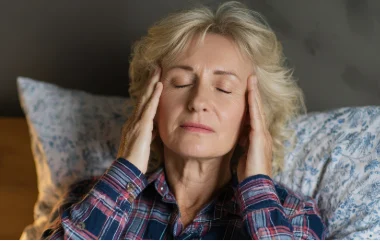











For millions of people worldwide, the nightly ritual of drifting off to sleep is not a transition into peaceful slumber, but a stressful confrontation with a racing mind and a restless body. Chronic insomnia—a condition defined by difficulty falling or staying asleep that persists for at least three months and impacts daily functioning—is a pervasive public health issue. To illuminate this silent crisis and provide evidence-based solutions, the American Academy of Sleep Medicine (AASM) and the Society of Behavioral Sleep Medicine (SBSM) recently hosted their annual "Insomnia Awareness Night."
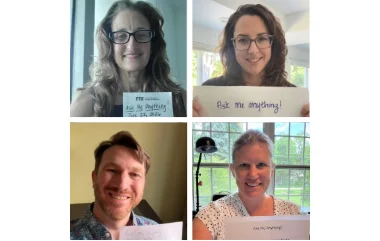
This year, the initiative took a digital-first approach, bringing the experts directly to the public through a popular Reddit "Ask Me Anything" (AMA) session. A panel of preeminent sleep scientists—Spencer Dawson, PhD; Sarah Honaker, PhD; Monica Kelly, PhD; and Jennifer Martin, PhD—fielded inquiries from a global audience, dismantling myths about supplements, sleep trackers, and the "catch-up" mentality.
The Landscape of Modern Sleep: Main Facts
Chronic insomnia is more than just an occasional "bad night." It is a complex physiological and psychological state that can significantly degrade quality of life, productivity, and long-term health. The event highlights that while sleep science is evolving rapidly, there is a dangerous gap between what the public believes about sleep and what clinical data supports.
The central thesis of this year’s awareness campaign is that the most effective intervention for chronic insomnia is not a pill, a supplement, or a high-tech gadget, but Cognitive Behavioral Therapy for Insomnia (CBT-I). As the experts emphasized, the reliance on self-medication and unverified tracking devices often masks underlying issues rather than resolving them.
Chronology of the Insomnia Awareness Initiative
The collaboration between the AASM and SBSM represents a multi-year effort to shift the conversation around sleep from "hacks" to "medicine."
- Foundation: For years, these organizations have worked to destigmatize sleep disorders, moving them from the realm of "personal failure" to recognized clinical conditions.
- The Catalyst: Insomnia Awareness Night was established to serve as a beacon for those suffering in isolation, providing a platform to access verified information.
- The Digital Shift: Recognizing that a vast demographic of individuals struggling with sleep turn to online communities like Reddit for advice, the experts moved their Q&A to the digital frontlines. This transition allowed for a real-time exchange of ideas, bridging the gap between clinical academia and the practical struggles of the modern worker.
Supporting Data and the "Catch-Up" Myth
One of the most persistent beliefs in sleep science is the concept of "sleep debt." During the AMA, Dr. Jennifer Martin addressed the common query regarding whether weekend lie-ins can mitigate the damage caused by a frantic work week.
"Yes and no," Dr. Martin explained. While some research suggests that extending sleep on Saturdays and Sundays can offer a temporary reprieve from the physiological stress of sleep deprivation, it is not a long-term solution. The data remains consistent: consistent, daily sleep duration of seven or more hours is the gold standard for metabolic health, cognitive function, and emotional regulation. Relying on "weekend catch-up" often leads to "social jetlag," where shifting sleep patterns on the weekend makes it even harder to fall asleep on Sunday night, thus perpetuating the cycle of insomnia.
Official Responses: Navigating the Market of "Sleep Aids"
The marketplace is currently flooded with wellness products promising the "perfect night’s sleep." However, the experts were firm in their skepticism.
On Supplements and Placebos
Dr. Jennifer Martin addressed the rise of over-the-counter sleep aids, including melatonin and THC microdosing. Her verdict was sobering: "The number of sleep supplements on the market is growing faster than the scientific evidence supporting them."
The experts noted that the "effectiveness" of many supplements is largely rooted in the placebo effect. When a person believes a supplement will help, they often experience a reduction in performance anxiety—the "try-hard" energy that keeps many insomniacs awake. By taking a pill, the individual feels permission to stop "trying" to sleep, allowing the body’s natural mechanisms to take over. Furthermore, she clarified that while melatonin has clinical applications, it is most effective for circadian rhythm disorders (like jet lag or shift work), not for the treatment of chronic insomnia.
The Role of Technology
Dr. Sarah Honaker addressed the ubiquity of wearable technology, such as Apple Watches and Oura rings. While these devices can be excellent motivators for establishing a consistent bedtime routine, they are a double-edged sword. "In some cases, sleep tracking can make sleep worse by causing stress or anxiety about sleep," Dr. Honaker noted. This condition, often termed orthosomnia, involves an obsessive focus on achieving "perfect" sleep data. The experts advised that the most accurate barometer for sleep health is not a watch’s algorithm, but how the individual feels during the day.
Binaural Beats and Ambient Distractions
Dr. Spencer Dawson weighed in on the popular trend of listening to binaural beats to induce sleep. He noted a lack of high-quality, peer-reviewed evidence proving these sounds change brain wave states. However, he offered a pragmatic perspective: if they serve as a soothing distraction—much like a white noise machine or a calming podcast—they can be a useful tool for relaxing the mind.
Clinical Implications: Addressing Underlying Pathology
A critical takeaway from the AMA was the distinction between lifestyle issues and underlying clinical pathologies. One user shared a distressing account of "waking up every two minutes," a symptom typical of severe sleep disorders like sleep apnea or periodic limb movement disorder.
Dr. Martin’s advice was clear: Do not self-manage symptoms of this severity. Frequent arousals during the night are often the body’s way of signaling that something is structurally or neurologically wrong. In such cases, a clinical sleep study (polysomnography) is the only pathway to a diagnosis.
The Problem of Early Morning Awakenings
Addressing the common struggle of waking at 4:00 a.m. and failing to fall back asleep, Dr. Spencer Dawson suggested that the problem often lies in the "pressure" to sleep. He noted that early morning awakenings could be a sign of everything from anxiety and depression to a natural, age-related shift in circadian rhythm.
His recommendation was counterintuitive: "If you’ve woken up early and can’t determine the reason, it may be that your body has had as much sleep as it needs." Instead of forcing a return to sleep, which often triggers frustration and cortisol spikes, he suggests that one should simply stop trying to force the issue. If the body truly requires more rest, it will eventually allow the transition back to sleep, provided the individual isn’t actively fighting the awake state.
The Path Forward: CBT-I as the Gold Standard
The unifying conclusion of the expert panel was that for those suffering from chronic, long-term insomnia, the "gold standard" treatment remains Cognitive Behavioral Therapy for Insomnia (CBT-I). Unlike medication, which offers a temporary chemical mask, CBT-I addresses the thoughts, behaviors, and sleep environment factors that fuel the disorder.
CBT-I typically involves:
- Stimulus Control: Training the brain to associate the bed only with sleep.
- Sleep Restriction: Temporarily limiting time in bed to increase sleep drive.
- Cognitive Restructuring: Challenging the catastrophic thoughts that occur when one is awake in the middle of the night.
As the experts concluded during their Reddit session, insomnia is not a life sentence. By moving away from quick fixes and focusing on the underlying behavioral patterns of sleep, individuals can regain control over their nights and, by extension, their days.
For those seeking further guidance, the American Academy of Sleep Medicine remains a primary resource for finding board-certified sleep specialists who can provide the necessary, evidence-based support to break the cycle of sleeplessness once and for all.
The full transcript of the conversation can be found on the r/sleep Reddit community, where the experts continue to provide resources for those navigating the complexities of sleep health.